


Lima: Your destination in 2026

The end of 2025 is approaching, and it’s a great time to look back on the journeys of the past twelve months and start dreaming, imagining and planning the routes and destinations we’ll visit next year. Perhaps the first step towards your next adventure is to take out your suitcases and backpacks on New Year’s Eve and run with them as the clock strikes midnight and welcomes 1 January.
Many people do this as a superstition. For years, I’ve watched several of my neighbours dash out of their houses with luggage in hand, hoping their travel dreams will come true. At least, that’s what they say when they return home out of breath after running around the block. And this is just one ritual among many. There are plenty more, as many as the paths that await us in 2026.
From cleansing flower baths to eating 12 grapes, from wearing yellow clothes for joy, red for love and green for hope. Those who want to become wealthy — or at least hope not to run out of soles (the national currency) — slip a handful of lentils into their pockets. Ceremonies with coca leaves are also performed, especially in the Andean region.
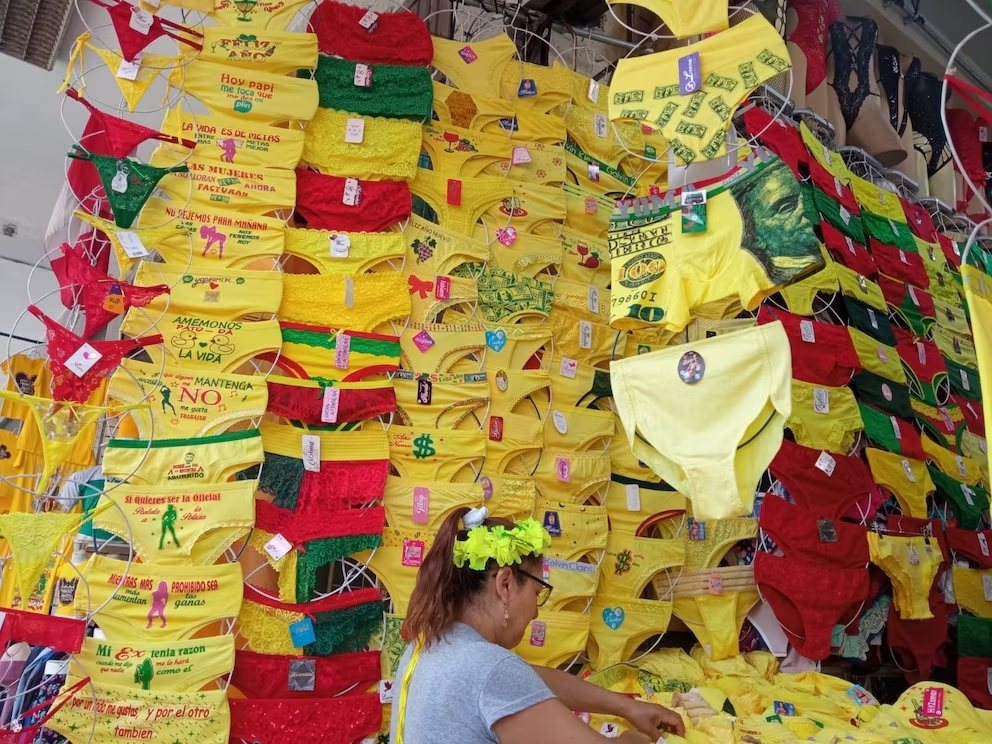
There are even more New Year superstitions. Some people hide under the table to attract good luck. Others burn effigies made from old belongings — a practice that is no longer well regarded because of the pollution it causes — or smash a piñata with enthusiasm. The piñata usually represents a politician, a footballer who missed a crucial moment, or any other character who has earned popular dislike.
If you ask me about my own rituals, I’d say none of the above. I’m happy with the hugs, the midnight toast and the good wishes shared as the new year begins. I don’t run out with a backpack, but I do cheer on those who do. After all, it’s a tradition — one that seems to have its roots in Latin America and is especially popular in Mexico, Colombia and Peru, including the neighbourhoods where I’ve lived.
Lima is waiting for you
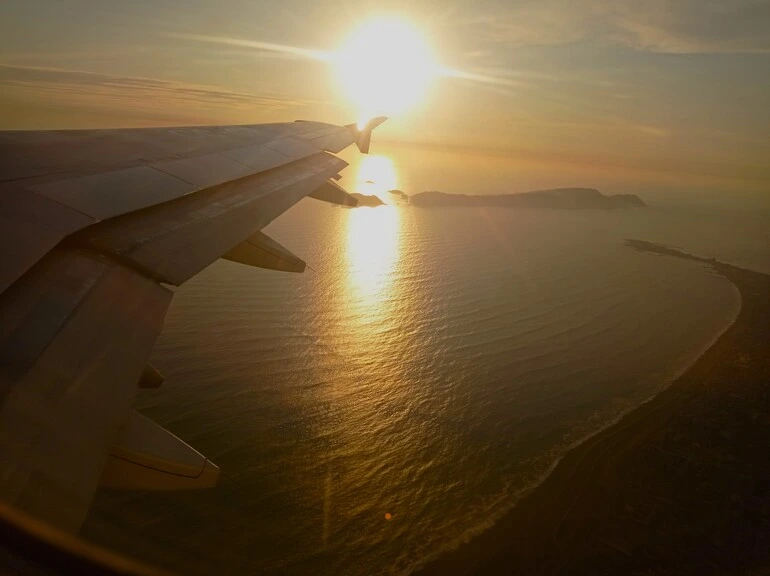
No, this year I won’t be running with a backpack on my shoulders or dragging a suitcase behind me either (it would be hypocritical to carry one, since I never use them). I trust that simply wishing myself plenty of travel while raising a glass will be enough. So far, that formula has worked for me. I travel — sometimes more, sometimes less — to well-known destinations and to places that are still, from a tourism point of view, largely undiscovered.
If you weren’t aware of this superstition but find it interesting or fun, and if you believe that everything helps when you’re on the threshold of a great adventure, give it a try in the first minutes of 2026. And if your wandering plans include Lima and Peru, you already know that here — and at Free Walking Tour Cusco — you’ll find travel stories and practical tourist information to help you sketch out your itineraries.
Come to Lima, the capital that is waiting to show you that it’s far more than just a stopover. It’s an ancient and modern destination, with pre-Hispanic cities and temples alongside contemporary architecture. It’s a city that preserves its faith and traditions, while opening itself to other beliefs and cultural expressions. It’s a coastal metropolis that has become a true melting pot of Andean and Amazonian influences.

The “City of Kings”, founded on 18 January 1535 by Francisco Pizarro — who at the time held the title of Governor of New Castile — has, for more than half a century, been a reflection of the entire country. Men and women from every corner of Peru have settled here, enriching traditions and colouring Lima’s districts, plains and hillsides with the vibrant tones of multicultural life.
Don’t worry if big cities feel overwhelming. The “Thrice-Crowned City” offers countless one-day or multi-day escapes that take you to Pacific beaches, the mountains and snow-capped peaks of the Andes, lagoons and rivers fed by the meltwater of the Apus, and — as is always the case in Peru — to a remarkable pre-Hispanic and colonial heritage.
Beyond the city
Lima is both a city and a region. This means it is made up of several provinces, districts, towns and communities. So many different landscapes, in fact, that the adventure dreams of my neighbours — those who welcome the New Year by running around the block with suitcases or backpacks — could easily come true without setting off on long-distance journeys. All it would take is a careful exploration of the city and its nearby destinations.
It may sound like an exaggeration, but if you really set your mind to it, you could spend all 365 days of the year sightseeing, exploring and discovering the metropolis and its surroundings. There is so much to do, to see and to taste: from renowned restaurants to humble market stalls, street food carts and huariques — those hidden, local eateries known only to a lucky few.
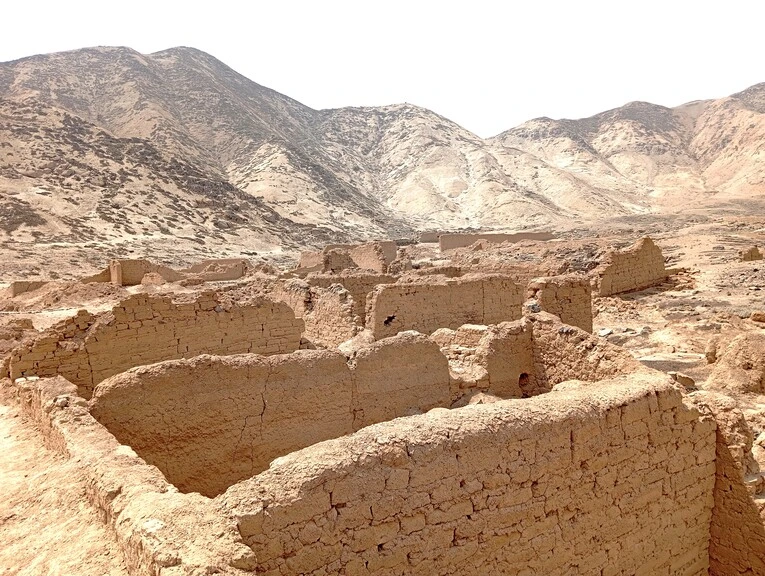
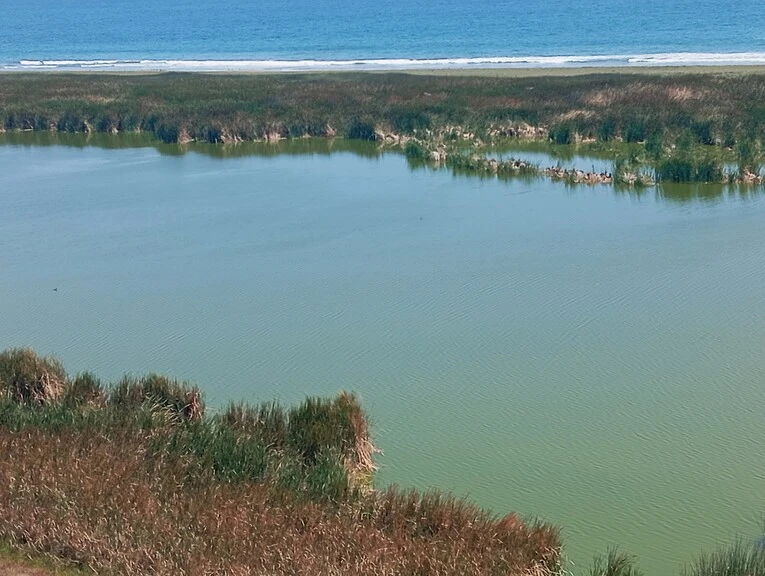
There are also grand colonial mansions and churches, outstanding museums, and archaeological sites built of adobe and stone. Add to that protected natural areas such as the Pantanos de Villa in Chorrillos — a perfect spot for birdwatching — and Lima’s tempting, refreshing coastline, where you can surf or, if you’ve never tried it before, find more than one friendly instructor ready to teach you.
Just a few brushstrokes of the Peruvian capital — a city that is often overshadowed by the ancient grandeur of Cusco, the towering peaks of the Andes, the explosive biodiversity of the Amazon, the calm beauty of Andean valleys and even the challenging vastness of the punas (plains), where vicuñas reign. This elegant South American camelid, by the way, proudly represents Peru’s wildlife on the national coat of arms.
What many people don’t realise — including quite a few of those who run around with suitcases and backpacks at New Year — is that the ten provinces of the Lima region are home to truly remarkable places. Here you’ll find ancient sites such as Bandurria, Caral and Rúpac; breathtaking peaks in the Huayhuash, La Viuda and Raura mountain ranges; lush greenery and rich biodiversity in the coastal lomas (small mountains); and plenty of vicuñas roaming the highlands of Gorgor.
Nearby getaways
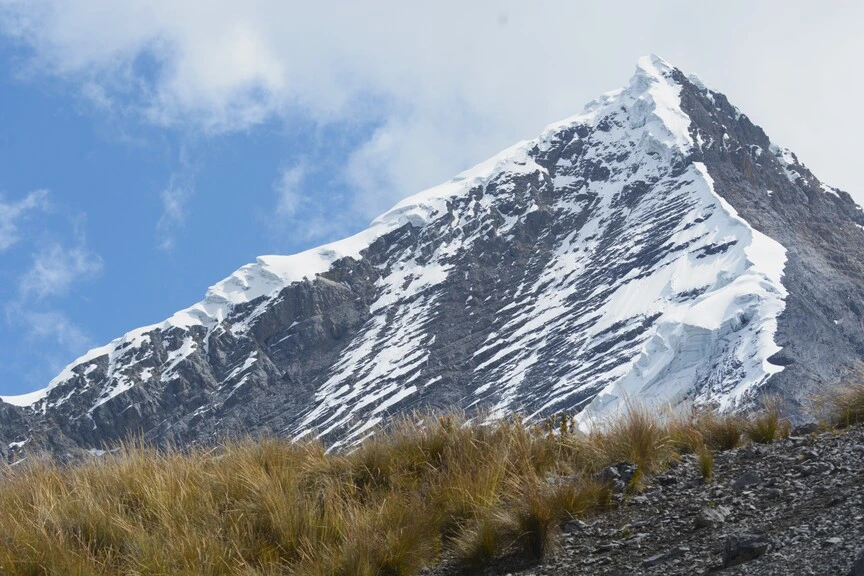
I hope this kind of recap or overview — so fitting for the reflections and plans we tend to make when one year ends and another begins — is opening your eyes to the tourism potential of a destination that is also a perfect starting point for many other journeys. From Lima, you can plan getaways to its provinces either with a tour operator or independently, at your own pace.
Another great option is to join trips organised by hiking and mountaineering clubs or travel associations. These usually run weekend outings where each participant covers their own costs (transport, food, and so on). High-altitude routes and challenges are among the most popular, with the ascent to Marcahuasi standing out — a plateau famous for its striking rock formations and even for alleged UFO sightings.
The Nor Yauyos Cochas Landscape Reserve (shared by the regions of Lima and Junín) is a natural area that simply shouldn’t be overlooked. Its waterfalls are truly spectacular and create a landscape like no other. And there’s more: the Antakallo, Palacala and Huanano waterfalls are classic excursions that bring you closer to the heart of the Andean scenery. The same goes for the village of Callahuanca, with its viewpoint and its delicious chirimoyas — a fruit that many consider a national treasure.
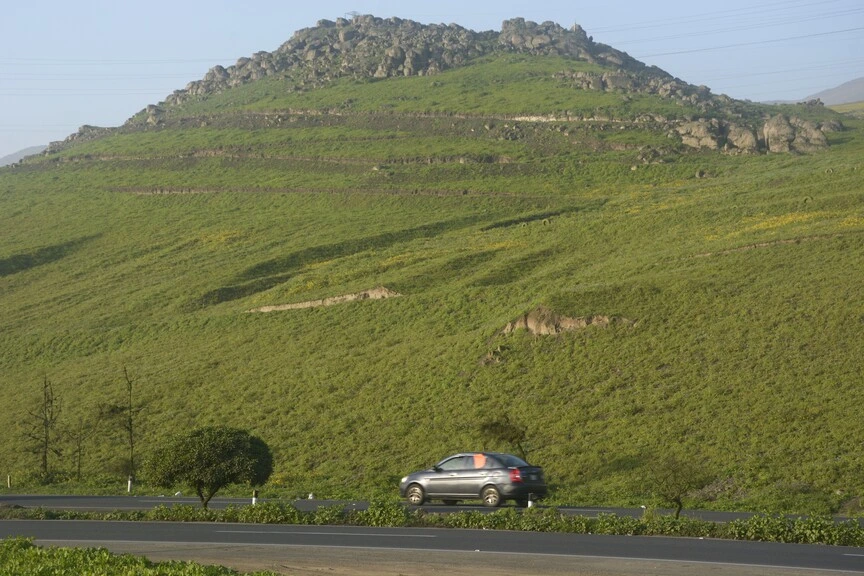
What do you think? Are you tempted to make Lima your main stop in Peru, or would you like to know a bit more? Keep in mind that, as I mentioned earlier, this text is just a quick brushstroke of what the city and the region have to offer. There are many other possibilities: camping by the river in Obrajillo or Lunahuaná, discovering the ancient agricultural terraces of Laraos, or taking part in the Water Festival of San Pedro de Casta, held every October.
I’ll be waiting for you in 2026, and I wish you a Happy Traveller’s New Year in Lima or in any other destination in my country. Oh, and one last thing: if you really want to secure your holidays, it wouldn’t hurt to run out at midnight with your rucksack or suitcase. That way — who knows, maybe, just maybe — you’ll start to feel a little bit Peruvianised. In the end, whatever happens, it will be a fun and original experience, and one that might just bring you a step closer to your next adventure.
December 29, 2025