


Pisco: Peru’s national drink
In territorial and political terms, Pisco is a province, a city, a valley and a port in the Ica region, south of Lima. Thanks to its easy access and proximity to the capital (236 km), it is a much-loved tourist destination. In the Paracas National Reserve, where the desert embraces the waters of the Pacific, travellers stroll along stark, vegetation-free shores and head out by boat towards the Ballestas Islands, drawing close to extraordinary marine wildlife.
Etymologically, Pisco comes from the Quechua word Pisku, meaning “bird” in Spanish. Perhaps the name was inspired by the guanay cormorants, Peruvian boobies, tendrils of seabirds, Humboldt penguins, gulls and countless other winged creatures that bring the reserve to life. It’s just a glimpse of Peru’s remarkable avian diversity — 1,879 species have been identified across the country — making it a genuine paradise for birdwatchers.
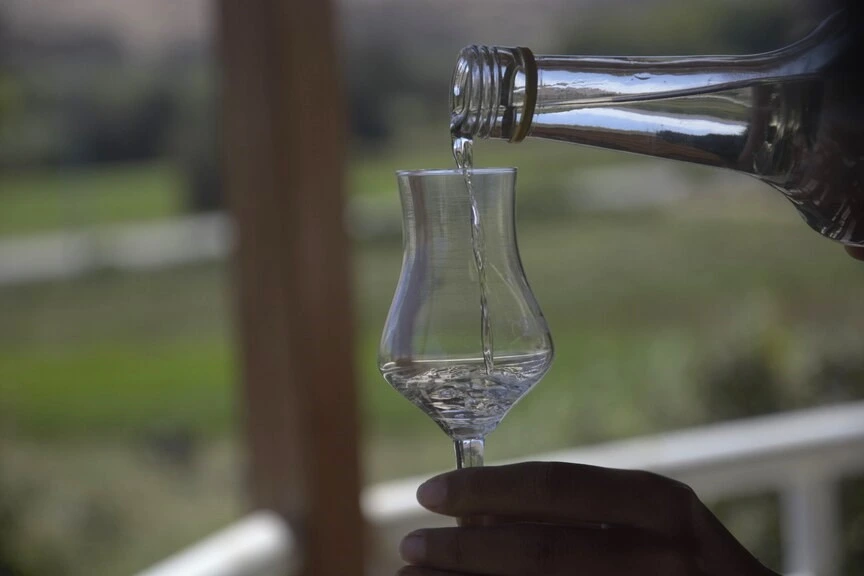
Festively speaking, Pisco is also the name of Peru’s national spirit. Of colonial origin, its high alcohol content turns it into a true “mischief-maker and sorrow-chaser”, as the beloved writer Ricardo Palma once described it in his Tradiciones Peruanas. Easing worries and unleashing joy are among the virtues of this elegant grape distillate — an essential presence at the legendary jaranas criollas, where music, laughter and celebration flow as freely as the drink itself.
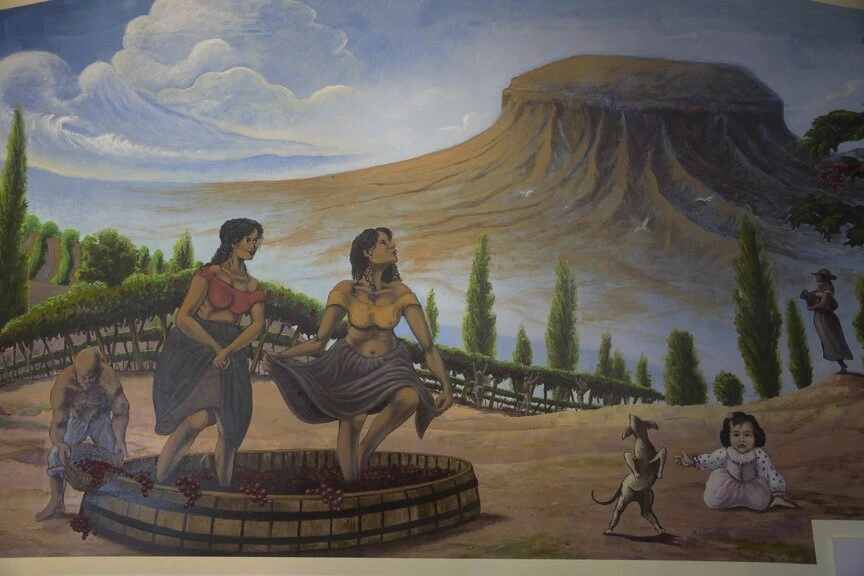
Rooted in the coastal tradition and the old alleyways of Lima, the jaranas criollas were legendary gatherings where people ate, drank, sang and danced to the rhythm of guitar and cajón as if there were no tomorrow. Urban lore has it that when the last guest finally arrived, the host would hide the key — just to make sure no one even thought of leaving those festive marathons that could stretch on for days.
A week or even longer. From the eve of the birthday celebration to the octava, passing through stages whimsically known as the “joroba”, the “corcova”, the “recorcova”, the “respinguete” and the “andavete”. These were true rompe y raja parties — full-throttle celebrations where marineras and waltzes were danced to the point of exhaustion, and glasses were constantly raised in honour of pisco, the spirit that for centuries has been synonymous with Peruvian identity.
Pisco — with a P for Peru
We Peruvians rarely agree on everything. There are countless issues that divide us, and only a few that unite us as one. For instance, when the national football team wins, we all instinctively burst into the patriotic anthem Contigo Perú. The trouble is that our victories are “few, but they are victories” — echoing the spirit of Los Heraldos Negros by César Vallejo, the most universal of our national poets.
The same happens with gastronomy. We are utterly convinced that our cuisine is among the finest on the planet. So we bristle if anyone dares to question the flavour of ceviche, papa a la huancaína, ají de gallina, seco de cabrito or lomo saltado. Even fellow Peruvians who commit such heresy are met with stern disapproval.
And it is certainly not wise to claim — or even hint — that pisco is Chilean. Ninety-nine point nine per cent of those born on this land are absolutely certain of the Peruvian identity of this aromatic sorrow-chaser; the remaining 0.1 per cent simply prefer not to dignify such nonsense with a response. That stance is neither whim nor exaggerated patriotism. Quite the opposite: the historical documents are firmly on our side.
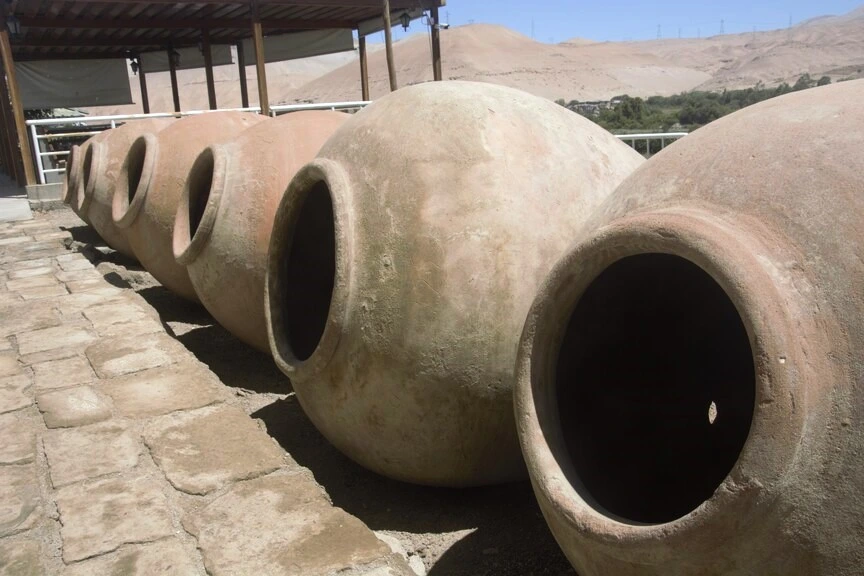
Beyond the playful exaggerations of this text, the truth is that our southern neighbours continue to dispute the origin of Pisco. The Chileans — who once took Arica and Tarapacá from us during the War of the Pacific — now lay claim to our emblematic grape spirit. That, for many Peruvians, is a step too far. So whenever the debate resurfaces, Peruvian scholars dust off viceregal documents that firmly challenge those assertions.
In 2025, it was announced that at the Archivo General de la Nación (AGN), a group of researchers had uncovered three highly significant colonial documents. One of them reveals that 438 years ago, in the former Villa de Valverde (in Ica), there was already production and commercialisation of what was then referred to as aguardiente de uva — the forerunner of what we now proudly call pisco,” stated Ricardo Moreau, former head of the AGN.
A toast steeped in history
Among the discoveries, one stands out in particular: a “Public deed of payment and settlement between Manuel de Azante and Jorge Capelo (1587)”. Speaking to the official newspaper El Peruano, Ricardo Moreau explained that this is the “oldest document in which the words aguardiente and caldera appear, proving that this drink was already being produced at the time; it also refers to the earliest company formed to make aguardiente… which would later be known as pisco”.
So, here’s to that. A toast with Peruvian pisco — always Peruvian, unmistakably Peruvian. A toast with our national spirit, which according to the Peruvian Technical Standard may only be produced in coastal wineries in the regions of Lima, Ica, Moquegua, Arequipa and Tacna. Cheers, my friend — but always in moderation. Our pisco — even if it claims not to leave a hangover — is serious business, with an alcohol content ranging from 38% to 48%.
It is a powerful spirit that “is gaining increasing popularity in cocktail bars and restaurants around the world. A characterful aguardiente made from grape juice, whose production process forms part of Peru’s history.” And that’s not just me speaking in a patriotic haze — those words appear in the article Why Pisco is (Almost) Exclusive to Peru, published by National Geographic.
The article points out that the valley of Pisco gave its name “to the first distilled spirit created on the American continent”. It also states that “the first vineyards were planted during the conquest in Ica… around 1550”. Now you can see why we feel so proud — and why we are firmly convinced of the Peruvian identity of piscos puros, acholados and mosto verde.
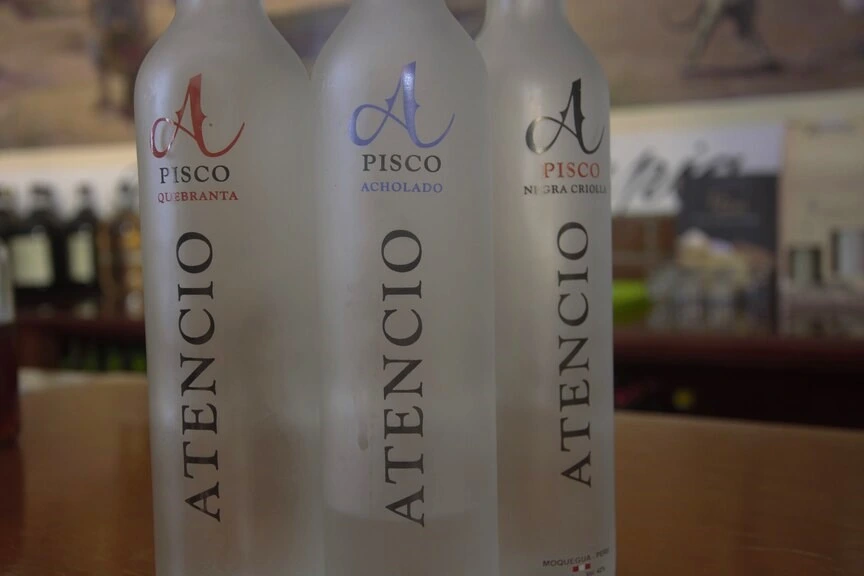
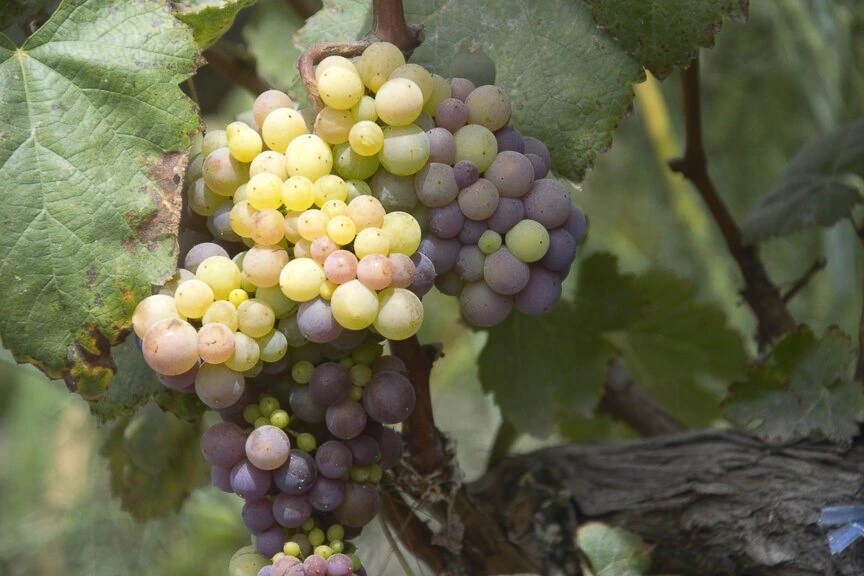
These are the three types of pisco established by the official standard. The first is produced from a single one of the eight authorised pisco grape varieties; the second blends two or three; and the third is the result of “distilling fresh must whose fermentation has been deliberately interrupted”, as explained in the National Geographic article. Another important detail: producing just one bottle requires between six and eight kilos of grapes.
Pisco celebrations
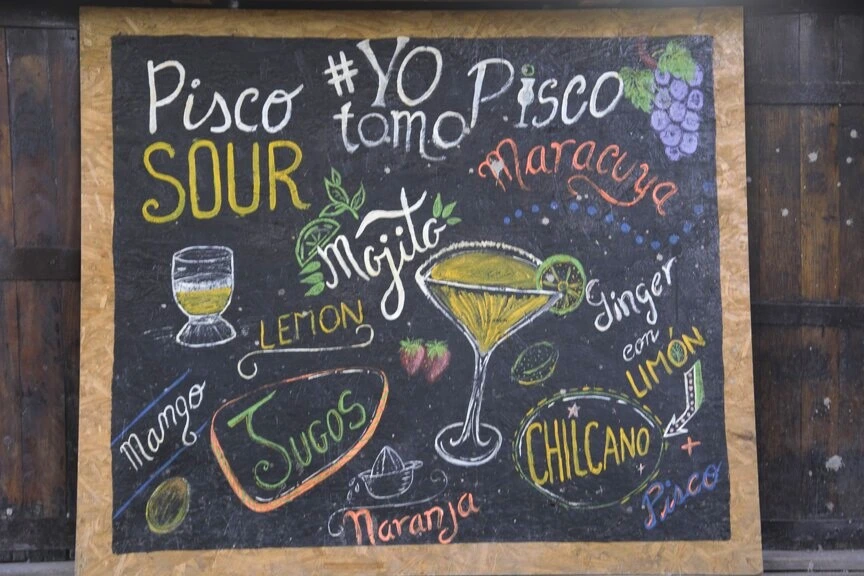
On your trip to Peru, you simply have to enjoy one — or perhaps several — little pisquitos. If you visit in January, your stay will coincide with Chilcano Week, celebrating the refreshing cocktail made with pisco, ginger ale, lime and plenty of ice. If you arrive on the first Saturday of February, you can join the festivities for National Pisco Sour Day. And if you’re with us on the fourth Sunday of July, you’ll experience National Pisco Day in full swing.
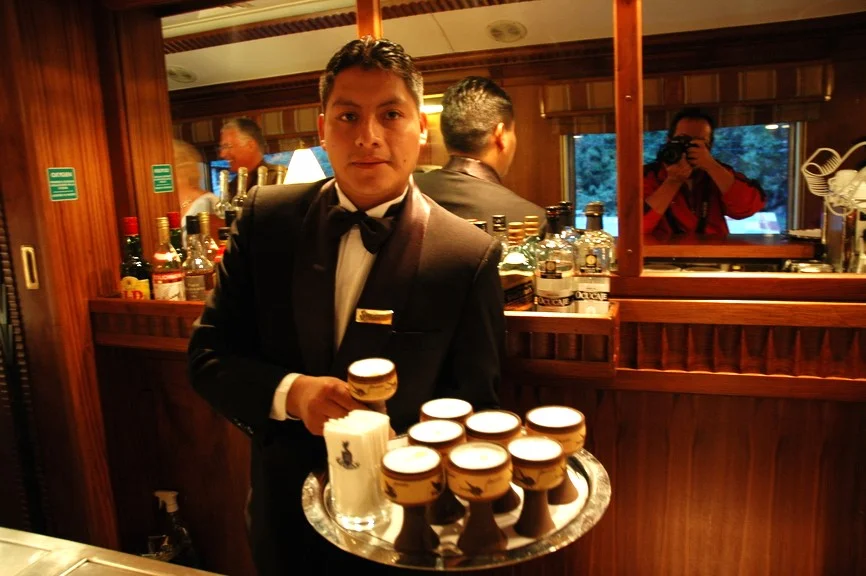
You see? There’s always a reason to raise a glass. If you decide to drink it neat, be moderate — and sip it in one smooth motion. You’ll notice the pure aroma and flavour of the grape, followed by a deeply warming sensation. And if you opt for a pisco sour, don’t be fooled by the cocktail’s citrusy sweetness. Peru’s most famous drink is made with pisco, lime juice, sugar syrup, egg white, ice and a few drops of Angostura bitters — and it certainly has character.
To toast with a catedral (a double pisco sour) at the bar of the Gran Hotel Bolívar on the historic Plaza San Martín; to sample the more “climb-worthy” version at the Bar Inglés of the Country Club Lima Hotel (which contains an extra splash of pisco); to become part of the living history of the old Antigua Taberna Queirolo or the bar at the Hotel Maury in the historic center, where according to some accounts the cocktail was first created in 1920 — these are truly extraordinary experiences.
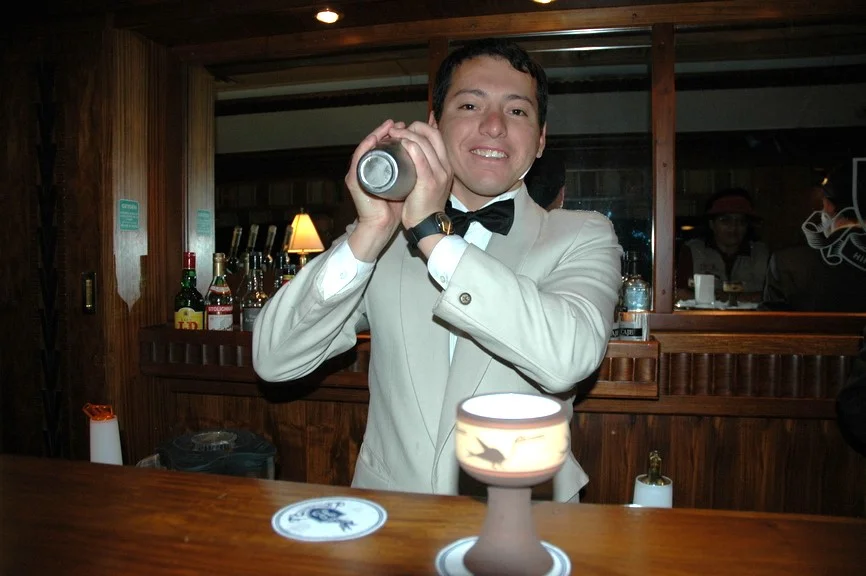
Another version claims that the pisco sour was born in the now-vanished Morris Bar of old Lima. In a chronicle published in the newspaper El Comercio, it is noted that the owner, Víctor Morris, introduced in 1916 “a pisco sour prepared under the famous ‘4-1-1’ formula — that is, 4 ounces of pisco, one of lime juice and one of gomme syrup. The original recipe includes the white of one egg and ice.”
A very popular custom is the res. If you’re out with friends, go ahead and order one — your table will soon be set with a bottle of pisco, another of ginger ale, plenty of lime slices and lots of ice, so you can mix your own chilcanos exactly to your taste. What do you think? A different — and delightfully sociable — way to celebrate our national spirit, as Peruvian as Machu Picchu. That’s not up for debate. That’s a statement made with conviction.
February 22, 2026