


Lima: Journey by sea and through the coastal desert
When you’re on holiday, or taking advantage of a long weekend to get away from home, it can feel a bit tiresome having to get up before the sun rises. After all, the whole point is to rest properly and forget about that persistent, torturous alarm that always goes off right when your sleep is at its sweetest.
For many travellers, the perfect plan is to stay up late and wake up even later. But sometimes a tight itinerary, or the unique nature of a destination, won’t allow you to escape the early starts. The good thing about these dawn adventures is that they rarely disappoint – and more often than not, the reward more than justifies the effort of waking up earlier than you’d like.
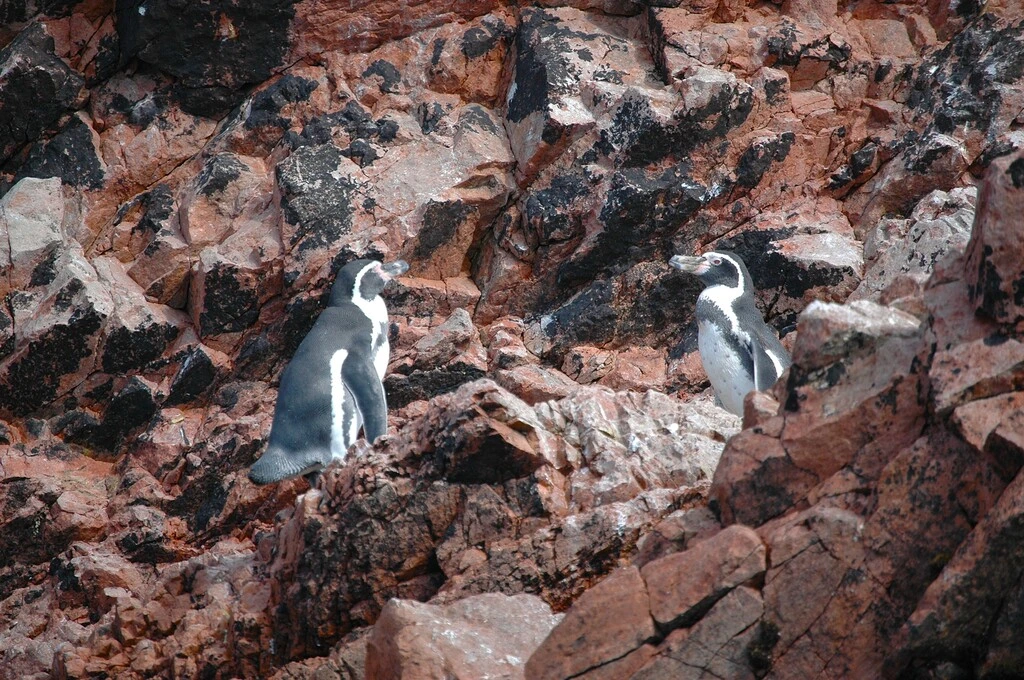
This is exactly what awaits you in Lima if you decide to spend a full day discovering the Ballestas Islands – home to sea lions and Humboldt penguins –; the Paracas National Reserve – where the desert meets the Pacific Ocean –; the pisco wineries – where you’ll learn the process behind our national drink –; and the Huacachina Lagoon – famous as the oasis of the Americas.
If the idea of waking up at 4:30 in the morning – the usual start time for full-day tours – doesn’t sound too appealing, don’t worry. Thanks to their closeness to Peru’s capital, it’s quite easy to reach these destinations on your own (there are buses running throughout the day), and they offer the infrastructure and services you’ll need to meet your expectations.
It’s entirely up to you how you explore this route: a full-on round trip packed into one intense and ever-changing day, or at a slower pace – spending the night by the sea in Paracas before sailing out to the Ballestas Islands, or recharging at the Huacachina oasis after toasting with a pisco sour or trying your hand at sandboarding on the dunes that surround the lagoon.
A Glimpse of Lima
Lima, the city founded on 18 January 1535, the metropolis that holds the dreams of over 10 million people, is the starting point for one of the most fascinating and popular journeys in Peru’s tourism scene.
A trip where the desert and its dunes, the sea and its biodiversity, toasts with pisco and adrenaline-fuelled adventures in the sand, reveal that our country is not only about the Andes.
A nation diverse in both geography and culture. That is our land. That is also our capital, which long before its Spanish foundation, was inhabited by ancient societies. They built villages, pyramid-shaped temples to worship their gods, and even one of the most powerful and respected oracles in the Andean world: Pachacamac.
Cultural development also included the Incas. The mighty Cusqueños extended their domains all the way to the Pacific coast. The traces and remains of this pre-Hispanic past, often overshadowed by the colonial grandeur of the Historic Centre, are still standing at Huaca Pucllana and the Pachacamac sanctuary, among other archaeological sites that form the legacy of these ancient peoples.
Before setting off to or returning from Ballestas, Paracas and Huacachina, take some time to explore the founding heart of the “City of Kings”.
Its mansions, churches and convents form part of a UNESCO World Heritage Site. Your experience in the capital should include a visit to several of its museums, whose galleries treasure valuable pre-Columbian, colonial and republican collections.
The sea of Lima’s bay and the Costa Verde beach circuit are also must-sees. The ocean always revitalises, always enchants. The same is true of the flavours of local cuisine. For several years now, Peru and its capital have been recognised as world-class gastronomic destinations – an unmissable reason to indulge your palate before leaving the city.
Heading to the Ballestas Islands
It’s the early hours of the morning and the city has yet to fully awaken. The streets are free of traffic, and only a few drowsy figures wander along the deserted pavements. This is the other face of Lima – the calm and serene side that bids you farewell as you set off towards Ballestas, Paracas, and Huacachina, three remarkable coastal and desert destinations in the Ica region.
Through the mist that dims the glow of the streetlights before dawn, you leave the city behind via the Panamericana Sur, the asphalt highway that will lead you on a full-day adventure. A journey there and back, where you will sail the Pacific, walk across the desert, taste the finest piscos, and relax while watching the sunset at an oasis that seems like a mirage.
Your first stop is El Chaco boardwalk and artisanal pier, in the district of Paracas (province of Pisco, Ica). Located 260 km from Lima, it is the departure point for the Ballestas Islands (only in the mornings). The sea, the waves, the breeze – and a hint of mystery. Suddenly, the boat halts before a hilly slope on the Paracas peninsula, where a 170-metre geoglyph in the shape of a candelabra dominates the view.
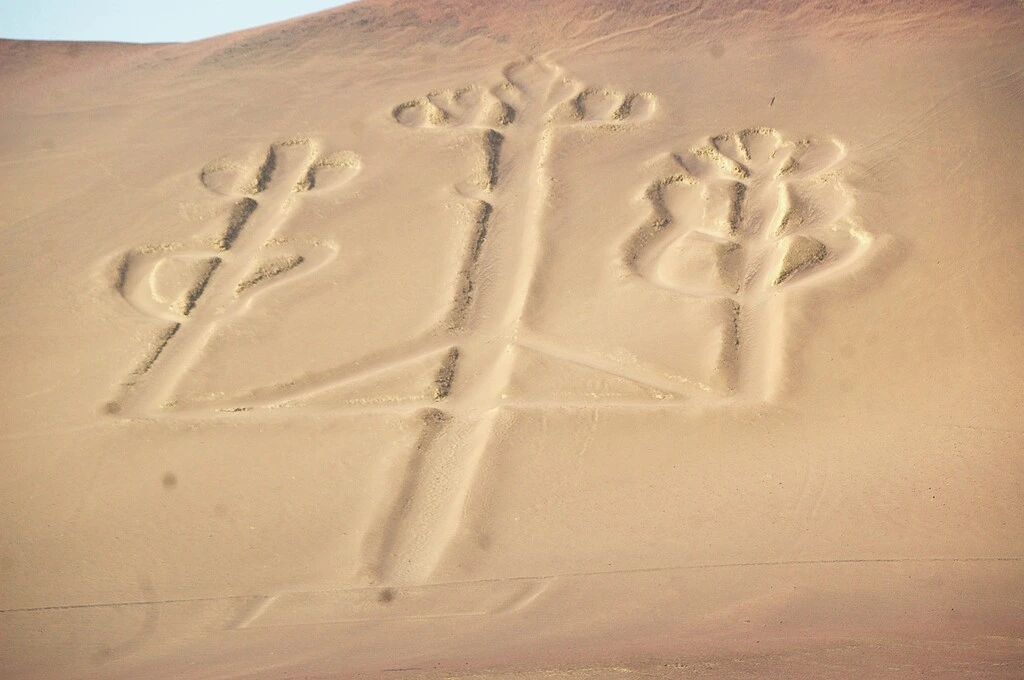
Declared a Cultural Heritage of the Nation, several theories surround its origin. Some attribute its creation to the Paracas civilisation, who inhabited this land in pre-Inca times. Others believe it served as a guide for ancient sailors, or even as a Masonic symbol drawn at the command of liberator José de San Martín, who disembarked in this bay in 1820.
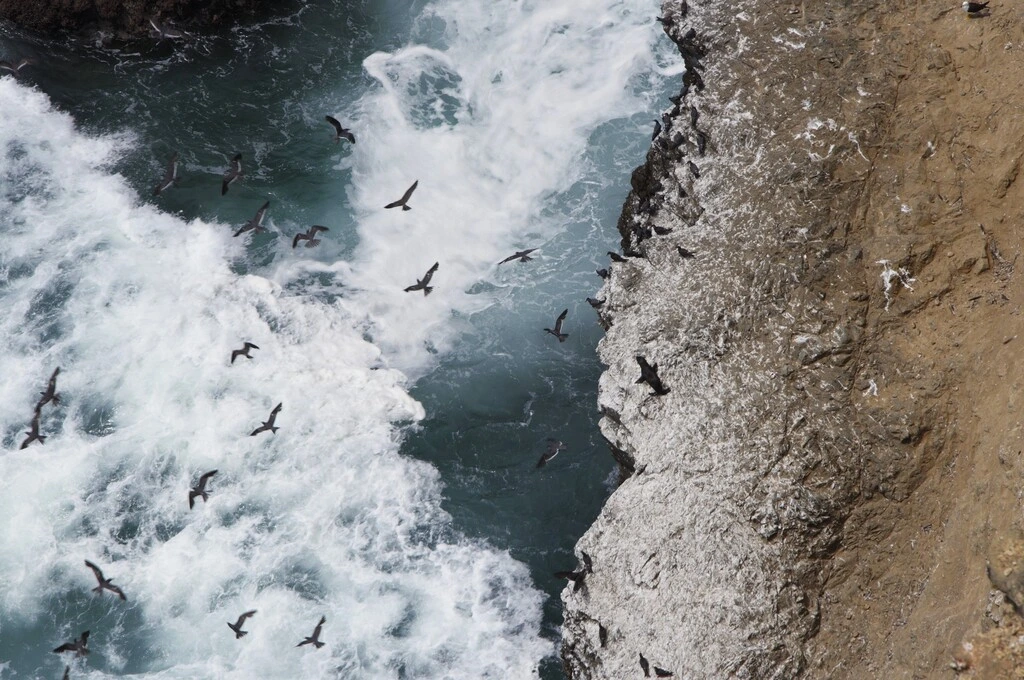
The voyage continues. Engines roaring, you head towards the explosion of life and oceanic diversity found on the tiny islands and rocky outcrops of Ballestas. And there they are – the sea lions, swimming, resting, playing. Alongside them, guanay cormorants, boobies, and pelicans – the famous guano birds – as well as terns and other cormorant species, just a few among the 216 bird species recorded in this extraordinary area.
Huacachina: a lagoon in the desert
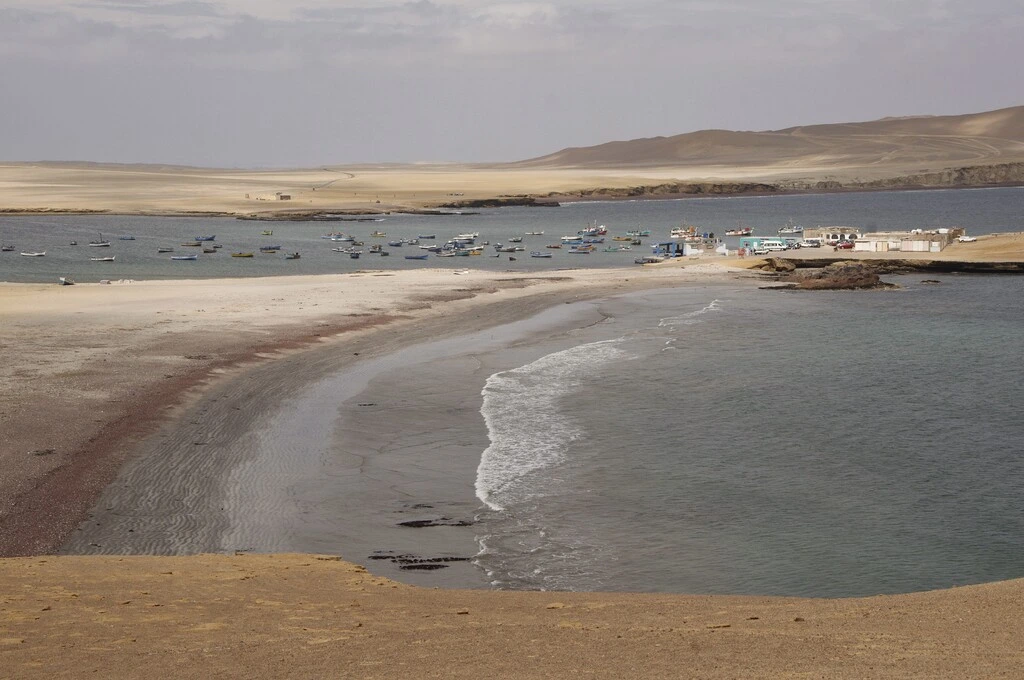
Back on solid ground after two hours of sailing and wildlife spotting. A few minutes to rest. Breakfast along the seafront. Time to get ready to continue the route into the coastal desert of the Paracas National Reserve, a protected area of 335,000 hectares (65 per cent of which lies in the sea), home to 36 species of mammals and 10 species of reptiles.
Thirsty land, restless winds (known as paracas), secluded beaches and the Pacific stretching endlessly towards the horizon. Here you’ll spot flamingos – or parihuanas – discover “La Catedral”, a unique natural rock formation, gaze at ancient palaeontological remains from scenic viewpoints, and delight in the landscapes of Lagunillas, a small cove where you can enjoy a fresh ceviche or a delicious seafood rice dish.
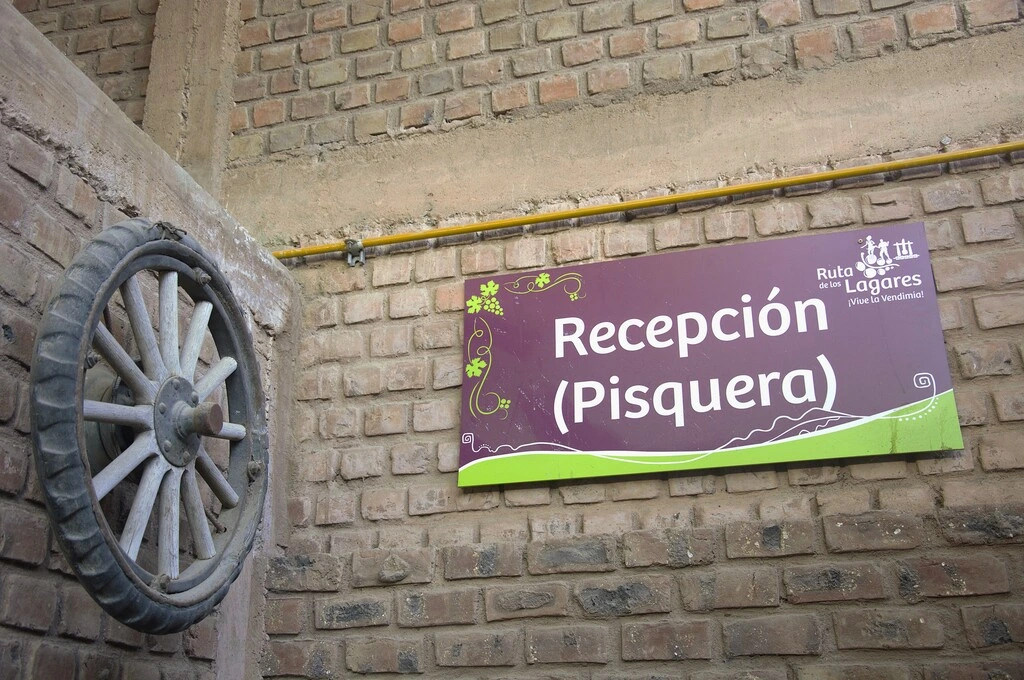
Thrilled and satisfied by your experiences in Ballestas and Paracas, you’ll head onwards to Ica, capital of the region that shares its name. Back on the Panamericana Sur (72 km, about 1 hour’s journey) to visit the wineries where grapes are transformed into fine wines and into pisco. A tradition born in colonial times and proudly kept alive to this day.
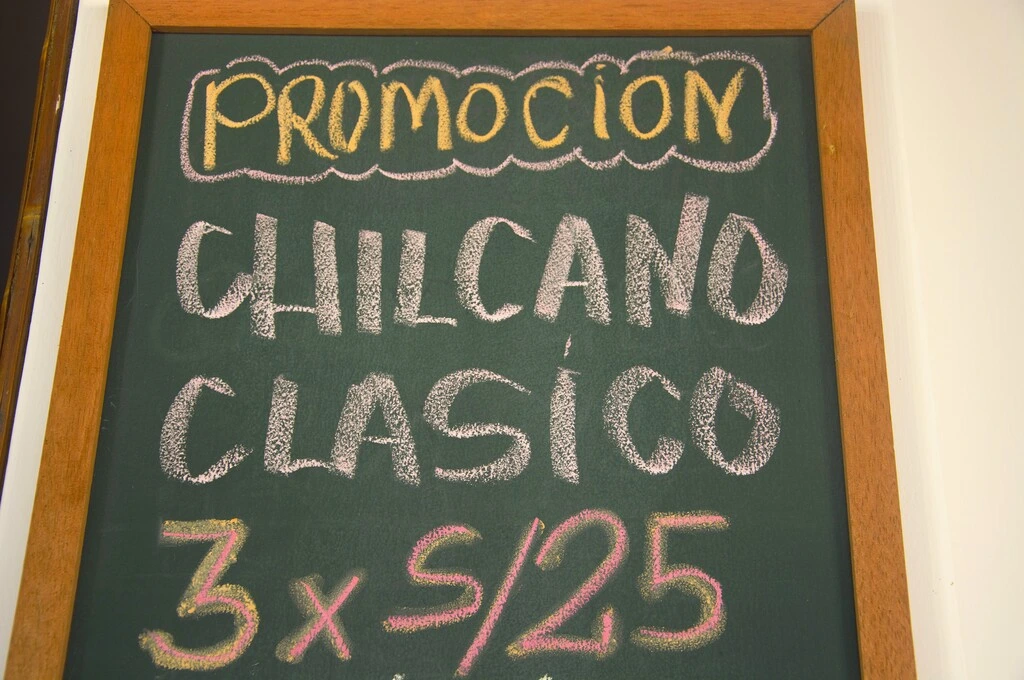
Cheers with a puro, acholado or mosto verde – the three types of pisco distilled in Peru. Before we go on, allow me to give you a little piece of advice: don’t get carried away during the tastings. Our national drink is no joke. Its alcohol content ranges between 38% and 48%. Avoid excess so you can make the most of your time in Huacachina (just 5 km from the centre of Ica).
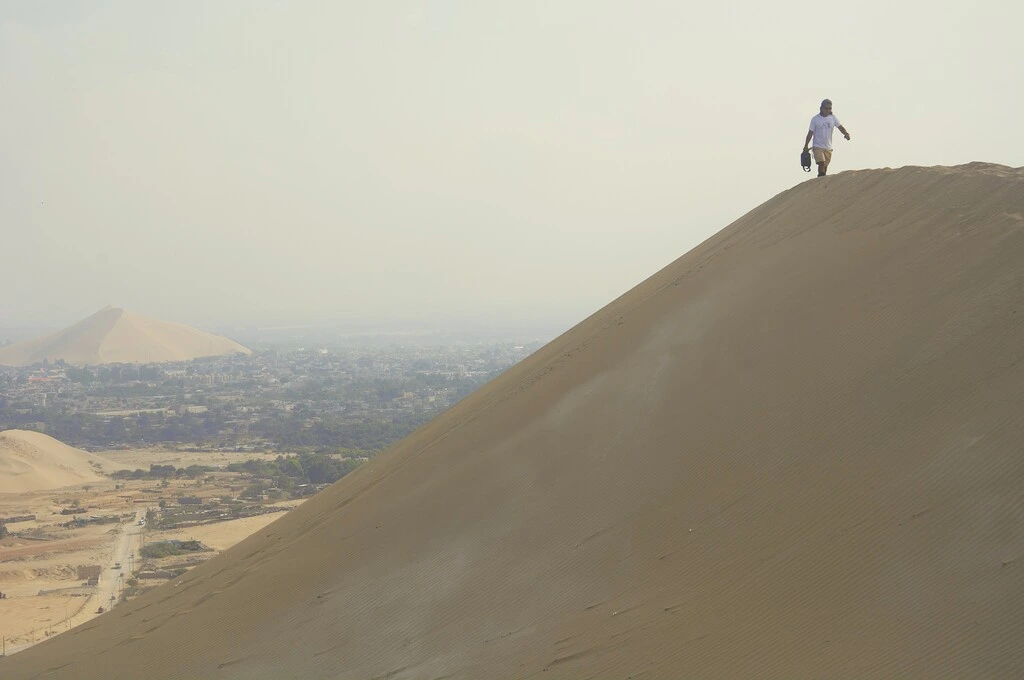
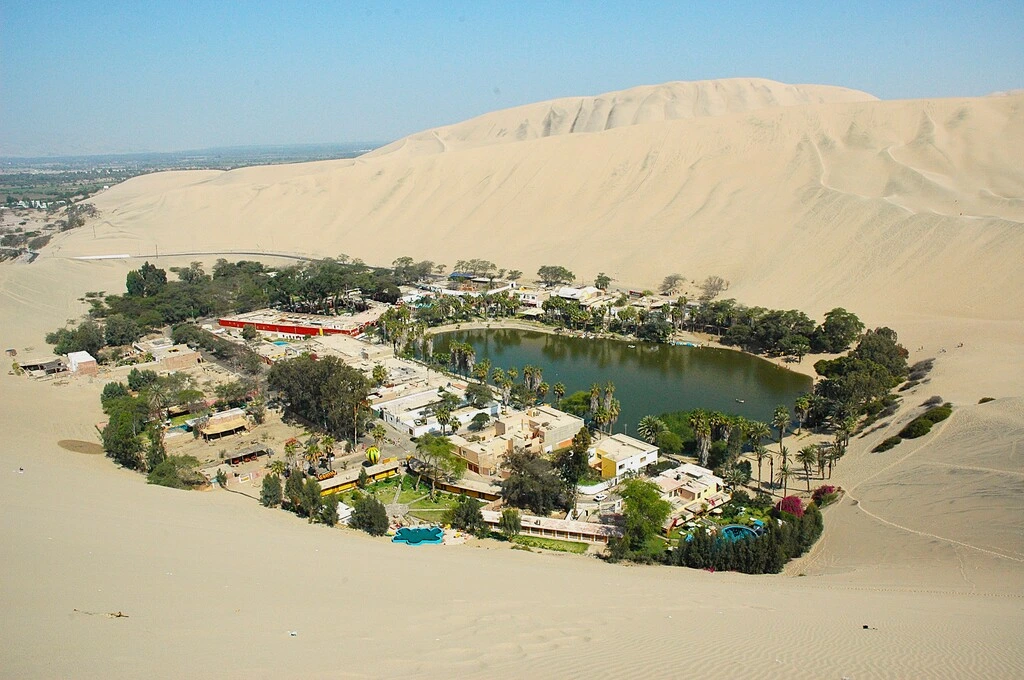
The lagoon, the palm trees and the towering dunes create an idyllic and almost dreamlike image of the desert. And there you’ll be, taking it all in – marvelling at the view, having fun on a sandboard, or watching the sunset before returning to Lima or continuing on to Nazca, Arequipa or Cusco. The choice is yours, but remember: wherever you go, you’re bound to have an unforgettable time.
September 19, 2025