


2026: A year to travel to other destinations
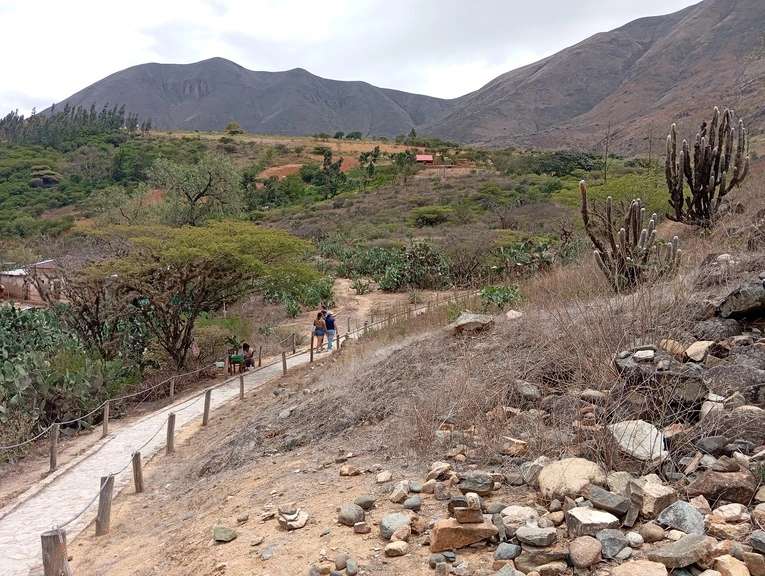
Historic, biodiverse and endlessly fascinating, Peru is far more than its world-famous highlights. Beyond Cusco and Lima, beyond Arequipa and Puno, beyond the sacred Apu Ausangate and the lush forests of Manu, the country treasures countless cities, villages and communities that will surprise you with their archaeological past, breathtaking scenery, deep-rooted traditions and vibrant living culture.
Most – if not all – of the popular landmarks will no doubt feature on your travel itinerary. The real challenge is to journey to an emerging or often-overlooked destination. Go on, slip away to a hidden village with ancient roots; immerse yourself in the joy of a traditional festival; wander along trails leading to pre-Hispanic llaqtas far from the crowds, or to pristine natural landscapes that have preserved their purity.
Be bold enough to explore beyond the conventional, even if only for a couple of days. I’m not about to suggest that you skip Peru’s iconic attractions — such as Machu Picchu, the Colca Canyon, the Paracas National Reserve, or Lake Titicaca, among others. No, never. The purpose of this text is quite different. What I truly mean is this: give yourself the time to venture along new and lesser-travelled routes.
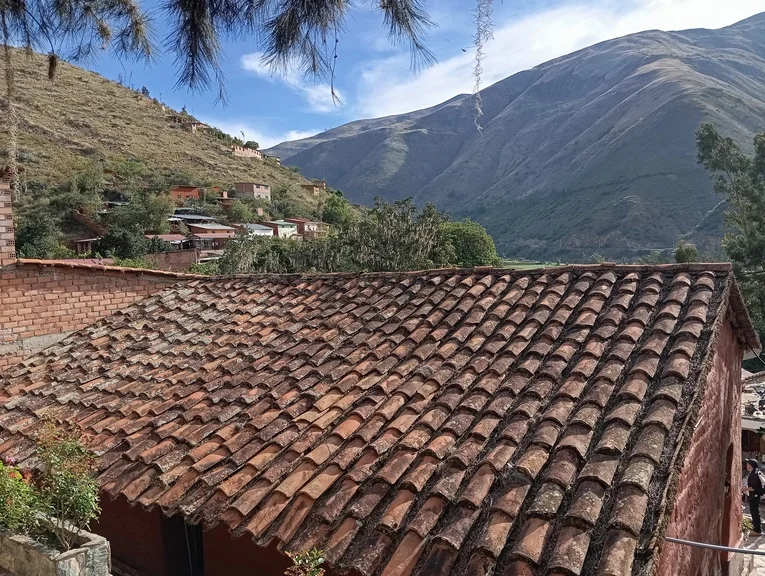
There’s so much waiting to be discovered along the coastal strip — I’m thinking of the beaches of Huarmey in Áncash — in the Central Highlands — I can just picture you dancing in the Mantaro Valley and honouring the Christ Child in the streets of Huánuco — in the jungle where mountains rise and waterfalls tumble — step by step towards the spectacular Gocta and Yumbilla Falls in Amazonas — and also within the native communities of the Lowland Amazon.
What do you think? Tempting, isn’t it? Would you dare to tweak your holiday plans just a little? I’m not here to persuade you. I simply want to share my latest journey to Huánuco, so you can see for yourself that I’m neither exaggerating nor romanticising. After all, one must practise what one preaches — and if I’m inviting you to go beyond the usual, I ought to do the same. So, just for today, let’s set aside Lima and Cusco.
Huánuco, the city of the “pata amarilla”
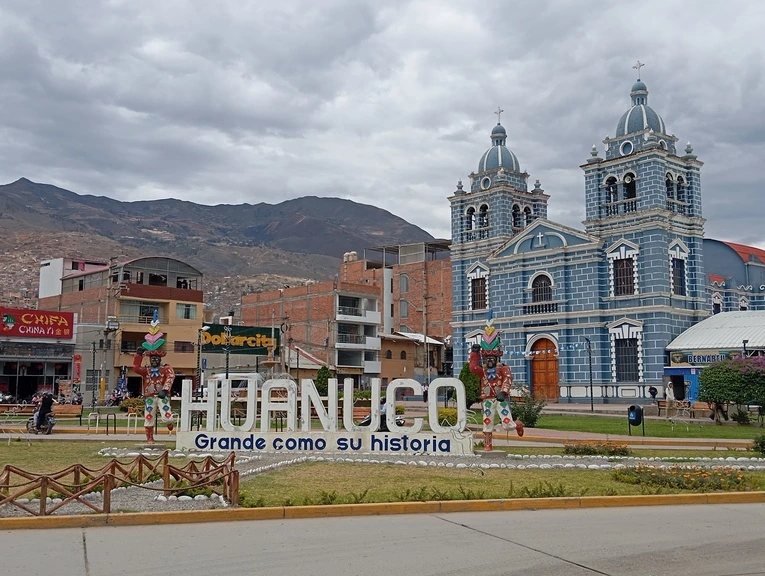
Perhaps you’ve never read anything about Huánuco, the city of the “best climate in the world”, where the “longest Christmas on the planet” is celebrated — or so every proud “pata amarilla” will tell you without hesitation. That’s the affectionate nickname given to those born in this sun-drenched land, set at 1,880 metres above sea level and 360 kilometres northeast of Lima. From the capital, you can get there either by road (around 10 hours) or by air (just 50 minutes).
It was Marshal Andrés A. Cáceres, known as the “Brujo de los Andes”, who noticed that the feet — or rather the footwear — of the Huánuco volunteers joining the Campaign of the Breña were stained with the yellow clay dust of their homeland. Those brave men, like so many other Peruvians from the Central Highlands, became the last stronghold of resistance against the Chilean invaders during the War of the Pacific.
The nickname lives on to this day and is worn with pride by the sons and daughters of the “La Muy Noble y Leal Ciudad de los Caballeros de León de Huánuco”, originally founded in the Pampa de Huánuco — also known as Huánuco Viejo — by Pedro Gómez de Alvarado y Contreras on 15 August 1539. At the time, the Spanish commander could hardly have imagined that a series of circumstances would soon force the young city to be relocated.
Through overconfidence — or perhaps simple lack of knowledge — Pedro Gómez de Alvarado y Contreras failed to foresee the Inca resistance led by Illathupa. The place where the Iberians chose to settle was, in fact, the capital of Chinchaysuyo, one of the four great regions of the Tawantinsuyo. This magnificent llaqta of the “Children of the Sun” is now one of the main attractions of the district of La Unión, in the province of Dos de Mayo.
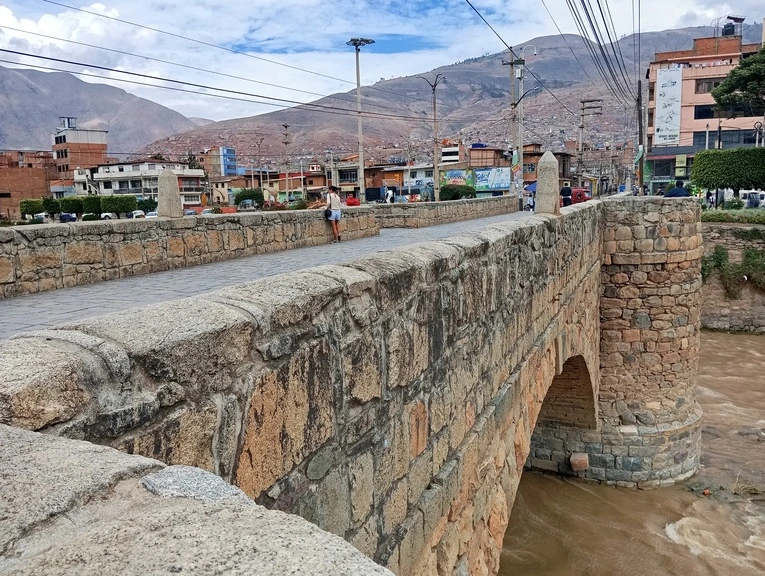
Hostility from the local population, combined with an unforgiving climate and an altitude of 3,650 metres above sea level, led to the first relocation — or mudanza — to the Pillco Valley, along the Huallaga River, in 1541. Two years later, civil wars among the conquistadors forced a definitive move to the city’s present site. The refounding took place on 2 February 1543, carried out by Captain Pedro de Puelles, who would later become corregidor of Huánuco.
A region that will surprise you
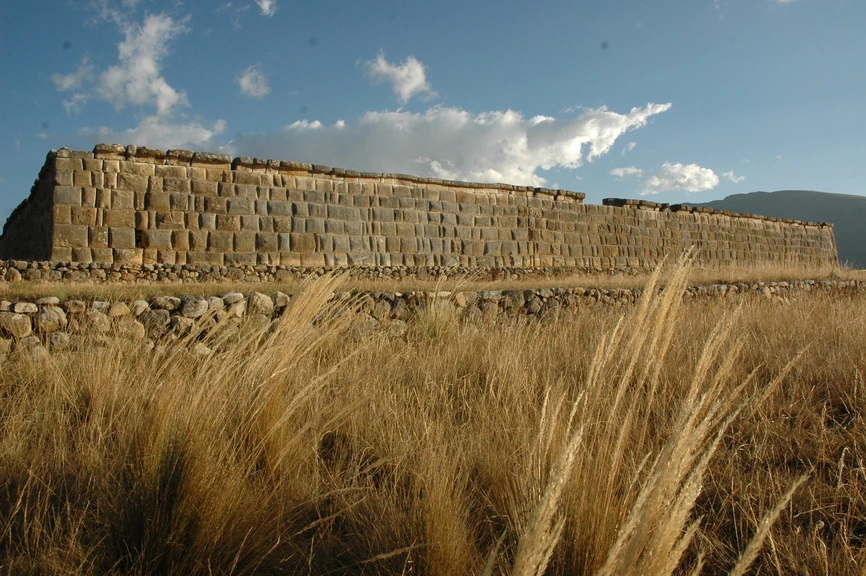
Huánuco is the capital of the region that shares its name — and across its 11 provinces, there is an extraordinary amount to explore. Earlier, we mentioned Dos de Mayo, home to the archaeological complex of Huánuco Pampa. Here you’ll find monumental Inca architecture far from Cusco, the imperial city to which it was once connected by the Qhapaq Ñan, the remarkable road network that the Incas laid across their vast territory.
Built in the second half of the 15th century by order of Túpac Yupanqui — the tenth ruler of the empire — the capital of Chinchaysuyo once featured “around 4,000 structures grouped into eight sectors, laid out along streets and walled passageways”, as described in the Tourism Resources Inventory of Peru’s Ministry of Foreign Trade and Tourism.
Now, a change of scene. Step even further back in time at the Cave of the Fourteen Windows in Lauricocha Province. In these shadowy cavities, near a striking highland lagoon at 4,050 metres above sea level, the anthropologist Augusto Cardich discovered 11 human skeletons in 1958 — seven adults and four children. Once studied, they revealed something truly astonishing.
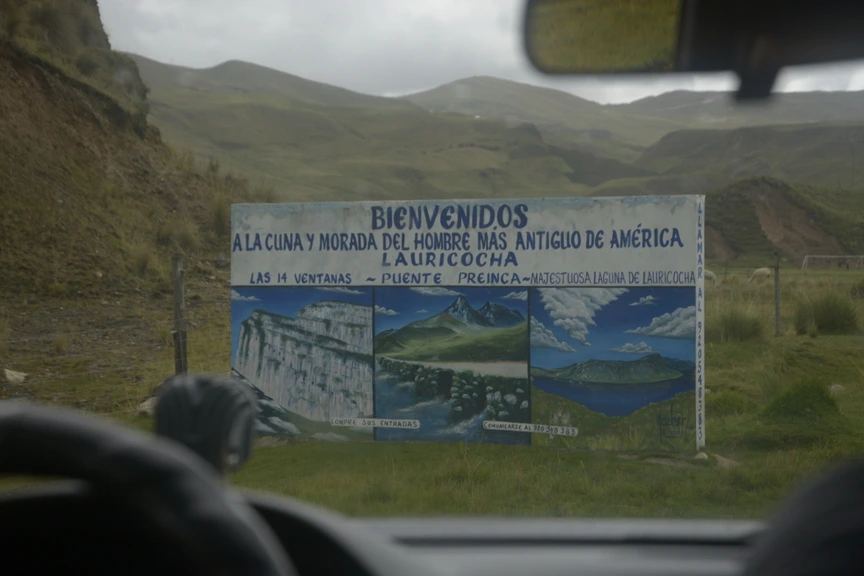
Lauricocha, four hours from the regional capital, was once hailed as the “Cradle of the Oldest Man in the Americas”. The reason? Studies revealed that the remains were approximately 10,000 years old — a genuine journey back to the very seeds of civilisation. That experience continues at the Temple of the Crossed Hands of Kotosh and among the Yarowilca “skyscrapers” of the district of Tantamayo, in Huamalíes Province.
Kotosh, just six kilometres from the centre of Huánuco, is one of the oldest temples in Peru and in the Americas (around 1800 BC). Between 1958 and 1963, Japanese archaeologists uncovered two pairs of clay hands here, symbolising the Andean concept of duality. And there is more. Other destinations. Other strongholds of the past: remarkable stone-and-mud buildings rising up to five storeys high, constructed between the 10th and 14th centuries.
Huánuco: from history to nature
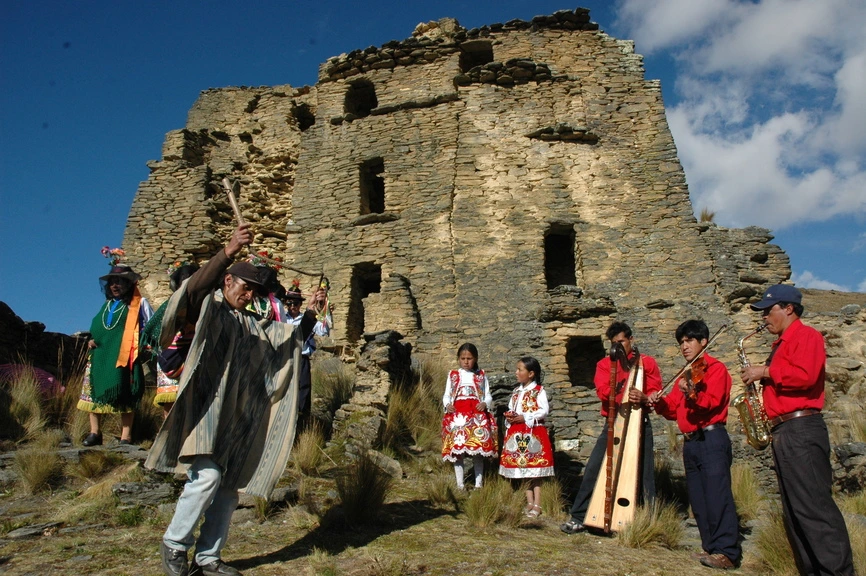
Look up — always look up — to admire the legacy of the Yarowilcas, a pre-Inca culture that flourished in the Central Andes. Skilled architects, they built true “skyscrapers” that served urban, military, religious and administrative purposes. The so-called Castillo de Susupillo, with its five storeys and 16 rooms, is the tallest pre-Hispanic building in this part of the world.
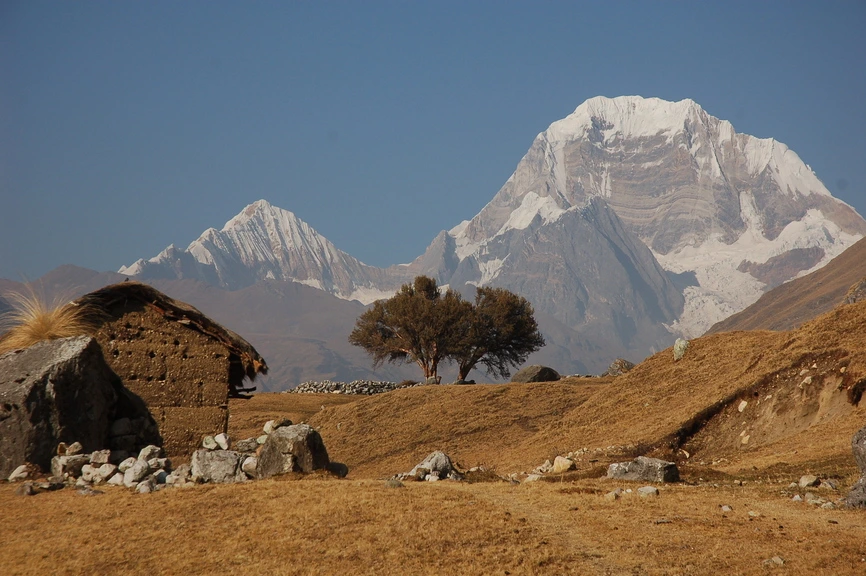
Such is the significance of Huánuco’s attractions — so why not venture along its roads, which lead not only to archaeological sites? Its striking geography invites you to challenge yourself on high-altitude trails along the slopes of the Cordillera Huayhuash (Lauricocha Province), and also to explore the cloud forests of the high jungle in Tingo María National Park (Leoncio Prado Province).
Renowned for the beauty of its snow-capped peaks and turquoise lagoons, the Cordillera Huayhuash — a mountain chain shared with the regions of Lima and Áncash — is an unmissable destination for keen walkers. Here, beyond the long distances, the harsh climate and the demanding routes, every step feels like a triumph, and every view of the range is both a reward for your effort and an encouragement to keep going.
From the cold and dazzling whiteness of snow to the warmth and lush greenery of Tingo María National Park — a protected area that shelters 291 species of birds, 76 mammals and around 650 types of plants. It’s a true haven of life, just three hours by car from the city of the “Caballeros de León”. Along the way, you’ll clearly notice the dramatic shift in landscape as you pass through the now-legendary Carpish Tunnel.
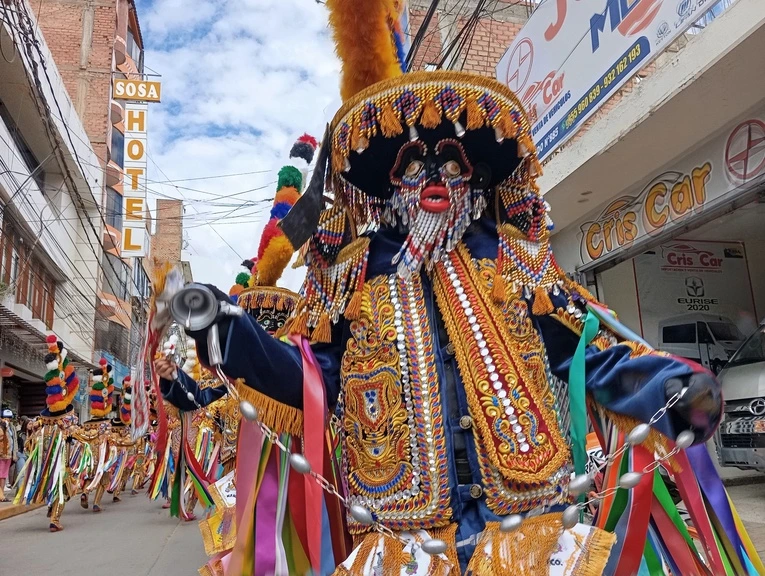
I hope you can now see why it’s worth seeking out new destinations. Peru has far too much to offer to stay on the well-trodden path. Sometimes, you simply need to slip away to somewhere different — like the regional capital with the “best climate in the world”, blessed with almost daily sunshine, and the “longest Christmas on the planet”, thanks to the cofradías de negritos who sing and dance in devotion to the Christ Child until mid-January.
How about it — would you like to see them for yourself and join in the celebration?
February 18, 2026