


Peru: February is Carnival
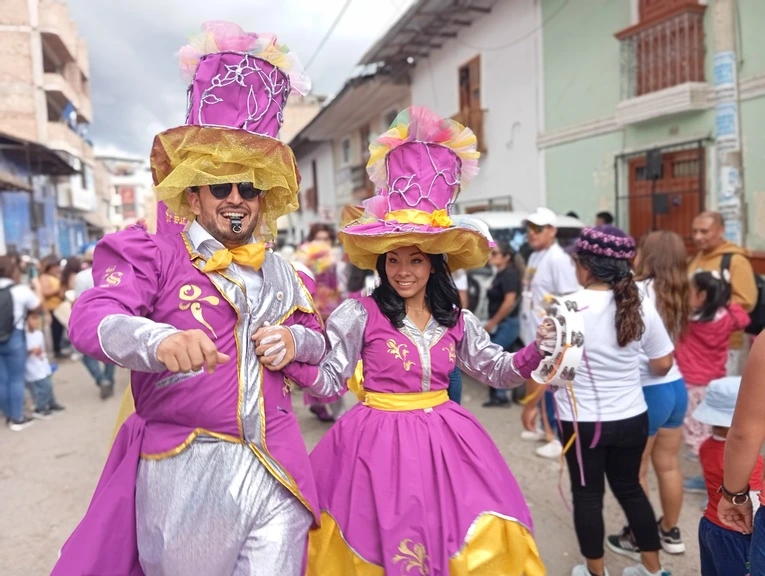
“¡Carnaval, carnaval!, es el grito general / ¡Carnaval, carnaval!, de alegría sin igual.” Yes, even if the year is still in its infancy, it’s only right to start warming up your voice — if that’s at all possible — polishing your dance steps, dusting off the costumes and, of course, telling you how this worldwide celebration unfolds in these lands of Incas and vibrant cultural blends.
“¡Todos a reír y a gozar! / ¡Todos a gozar del Carnaval! / Mascaritas, vamos a danzar, con ritmo triunfal.” I’m sorry — I simply can’t get this festive polka out of my head, written by Filomeno Ormeño. I used to hear it as a child, when my carnival experiences were limited to refreshing family “shoot-outs” with water pistols and the occasional “bombardment” with balloons filled — not with air — but with plenty of water.
Years later, my memories of Carnival in Lima were far less idyllic. In my youth, neighbourhood streets would turn into veritable battlegrounds. From behind the safety of their homes, residents launched balloons and buckets of water — not always the cleanest — at unsuspecting passers-by. In the rougher areas, groups of young men would chase after girls with the relentless energy of pirañas.
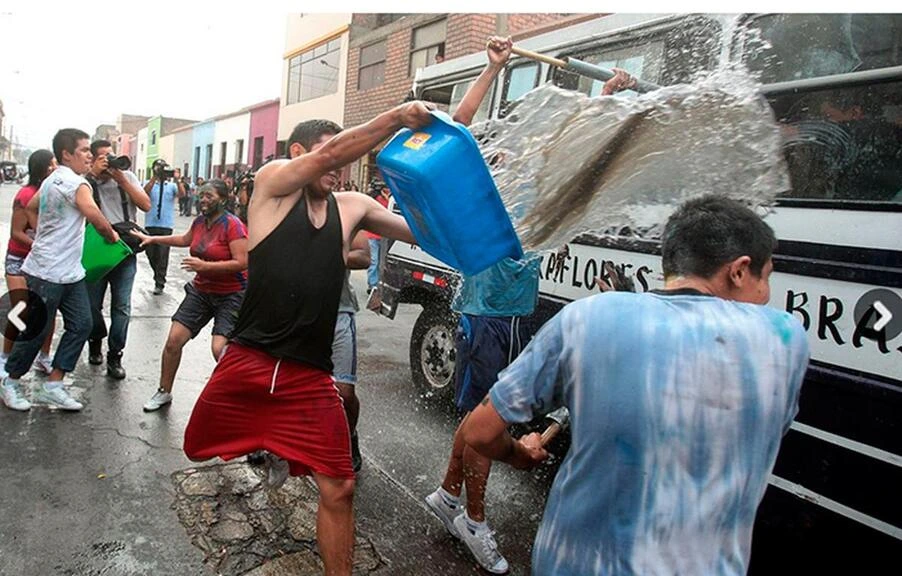
Photo: Diario Correo
When they “caught” their prey, they would drench them with water and paint. That kind of excess bore little resemblance to the nostalgic memories of older Limeños, who clung to the belief that “everything in the past was better”. Nor did it match those gentler recollections that carnival attacks once targeted even public transport buses — with such enthusiasm that drivers themselves often ended up soaked.
The veterans weren’t exaggerating. In the 1920s, President Augusto B. Leguía was determined to modernise the country in every possible way — including, according to those who remember, the traditions associated with King Momo. During his administration, grand parades were organised in the capital, featuring floats and lively troupes, as well as elegant costume balls where people played with talcum powder and perfume instead of water and paint.
Farewell to talcum powder and perfume
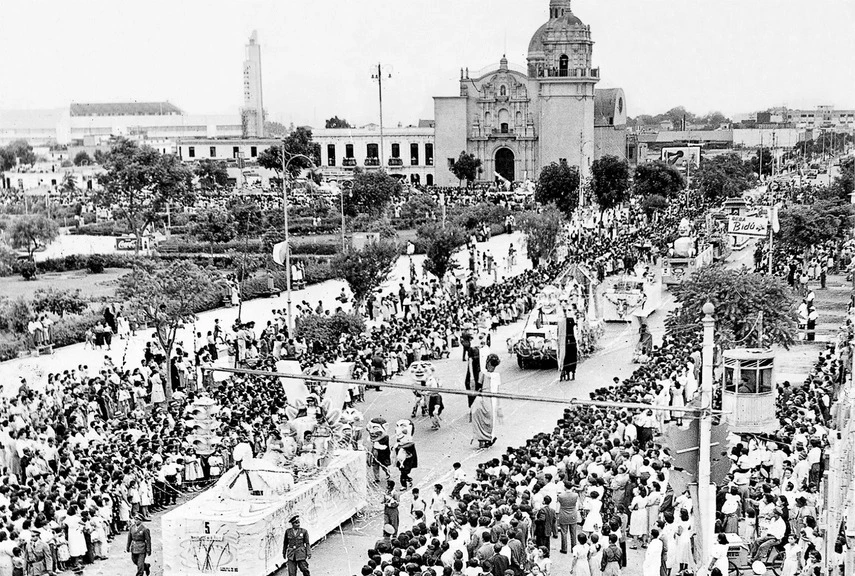
Photo: Agencia Peruana de Noticias Andina
I only ever heard nostalgic tales of that golden age. I didn’t live it; it isn’t part of my own story. My youthful memories — as I mentioned earlier — carry no scent of talcum powder or perfume. They have nothing to do with colourful costumes or elegant dances. Nothing of the sort. Just surprise attacks and the well-learned rule of never stepping out, not even to the corner shop, on Sundays in February.
The worst days. The days when anything goes. The days when it’s wiser to stay indoors than risk a soaking in foul-smelling water or an unexpected splash of paint. I’m sorry, King Momo — forgive me, Ño Carnavalón — but I struggle to understand your followers, at least in my city. They turn what should be a liberating, irreverent celebration into a string of senseless aggressions.
It’s not that I dislike Carnival. If I did, I wouldn’t be writing this. What troubles me is that in Lima, my city, this festival of pagan origins — which later became a season of excess before the Catholic Lent — has too often been reduced to drenching and painting anyone who happens to be out on the street. Fortunately, that isn’t the case in other parts of Peru, as I began to discover while travelling across the country.
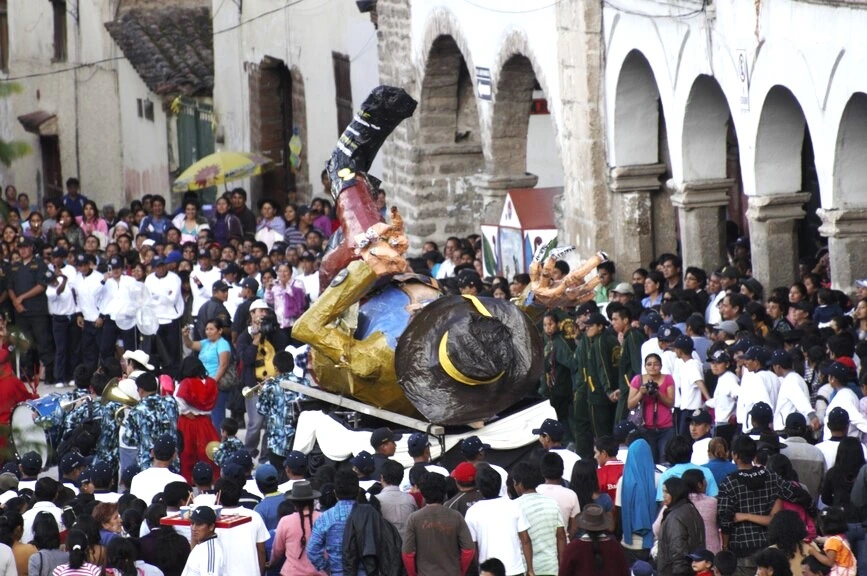
Movement, colour, joy and ritual unfold across the coastal sands, the valleys and mountain slopes of the Andes, and the lush green communities of the Amazon. “Carnival is a European custom, but in Peru it has fused with traditional harvest celebrations known as Pukllay, which in Quechua means ‘games’,” explains an article published on the website of the Fundación BBVA.
In the article titled Carnivals of Peru: From Satire to Abundance, it explains that Pukllay is “a celebration of traditions and colour, of dances and festive troupes, held between February and March throughout Peru”.
It is a vibrant and richly syncretic cultural spectacle whose Andean roots stretch back to pre-Hispanic times, while its Western influences can be traced to “the Catholic customs of the ancient Roman Empire”.
A Glimpse into History
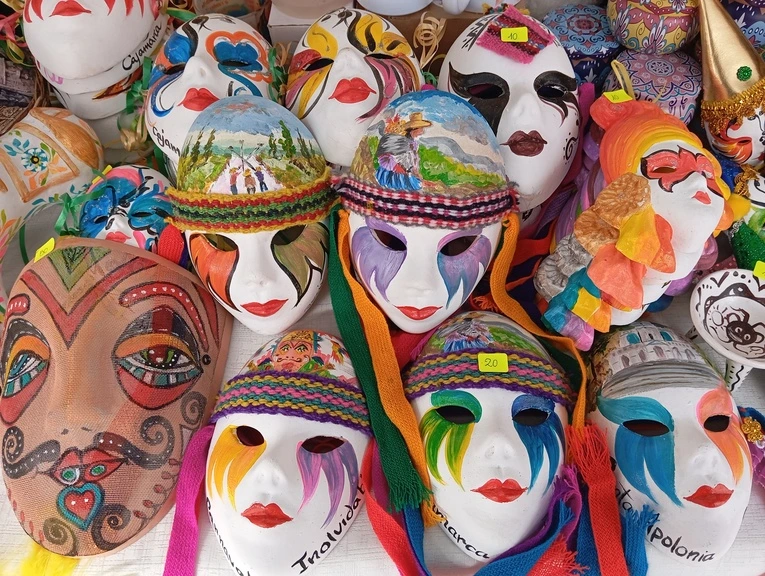
“The carnival —as noted on the National Geographic website, from which the final quotation in the previous paragraph is also taken— originates from the closing festivities celebrated by Catholic Romans in the days leading up to Lent, a period that takes place before Easter in the Christian calendar, during which the faithful would abstain from eating meat, among other religious practices.”
If you delve even further back in time, there is evidence of festivals that may have laid the foundations for today’s celebrations. In the article What Is the Origin of Carnival?, pagan rituals such as Saturnalia (in honour of the god Saturn and the winter solstice) and Lupercalia are mentioned. The latter took place in February, “the month of the underworld deities and of purification for the Romans”.
In both cases, the article concludes, the festivities “lasted for days and were characterised by an abundance of food, drink and dancing”. So it’s only right that you start preparing yourself — physically, mentally and even rhythmically — to make the most of the revelry that, from 14 to 18 February, will burst forth “far and wide across the entire country”, as a famous sports journalist once enthusiastically declared decades ago.
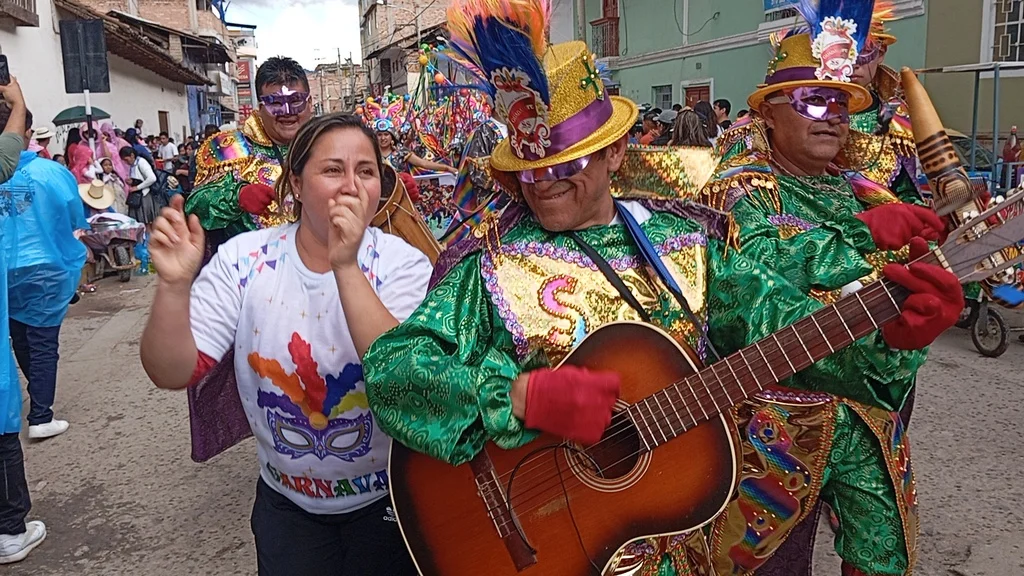
And truth be told, beyond my annoyance at what sometimes happens in Lima and the excesses that are often committed, it’s not a bad idea — and certainly not a mistake — to join the carnival troupes, slip into a costume, have a little dance in the street or out in the countryside, sing a cheerful copla or a lively huaynito, and, why not, even commit a couple of tiny sins — venial ones, always venial.
The invitation is there. All you have to do is choose where to go: a city, a town, a community. And wherever you end up, you’ll be warmly welcomed. You’ll sing, you’ll dance, you’ll raise a toast and perhaps — just perhaps, you never know — you might even fall a little bit in love. After all, boredom is the only thing that’s completely ruled out in the carnival whirlwind that sweeps across Peru.
Carnival, Peruvian Style
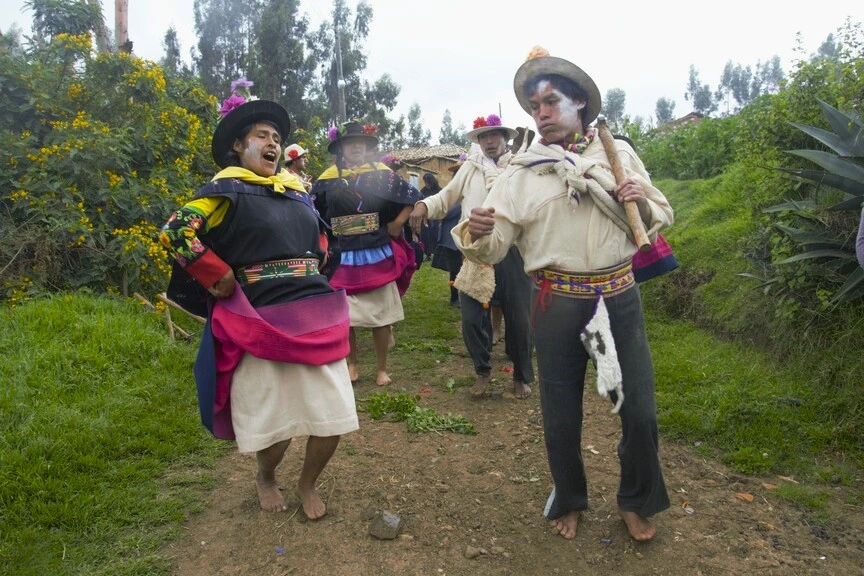
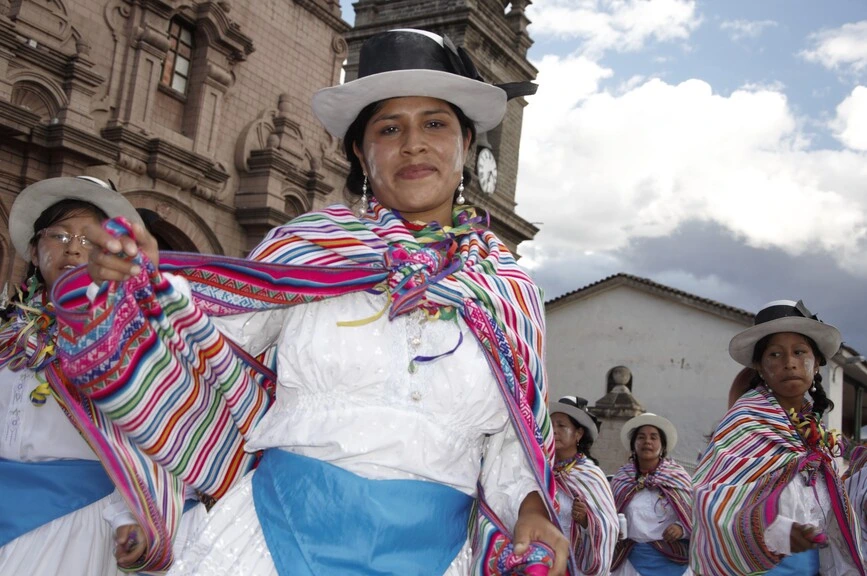
“Where should I go to have a brilliant time?” you may be wondering, with a mix of excitement and anticipation. The question has plenty of answers. For instance, if you’d like to surrender to the high spirits and sheer frenzy of the comparsas and patrullas, Cajamarca is, in my view, the very best choice. After all, in this northern Andean city — where the Inca Atahualpa was captured — the most joyful carnival in Peru is celebrated.
Well, at least that’s what the clones, the viceroys, the little old men and the many other characters of this spectacular carnival will tell you. It’s unforgettable for the entrance, wake and burial of Ño Carnavalón; for the comparsas and patrullas competitions; for the Grand Corso that floods the streets with colour and movement; for the coplas with their bold — and slightly cheeky — lyrics; and for the famous “balloon war”, where there are absolutely no truces.
If you’re after something more traditional, Ayacucho is an excellent destination. In both the city and the countryside of this southern Andean region, the days when Ño Carnavalón reigns are lived with real intensity. In old Huamanga — as the regional capital was known in colonial times — people sing in Quechua, guitars ring out, talcum powder, water and streamers fill the air, and bodies are nourished with hearty puchero and chicha de jora.
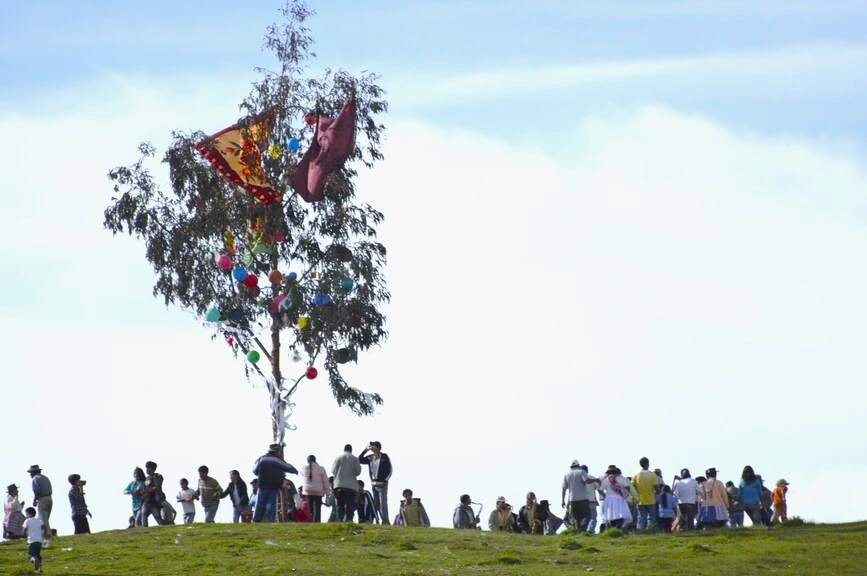
In many Andean communities, carnival is closely linked to the fertility of the Earth. This deep-rooted tradition is also reflected in other highland cities such as Cusco and Abancay. Another distinctive feature is the yunzas (known as umisha in the Amazon), a lively custom in which gifts are hung from the branches of a tree while revellers dance around it, taking turns to try and chop it down.
Now then, if you’d like to be part of an ancestral, earth-centred celebration, don’t miss the Pukllay de Andahuaylas in Andahuaylas (Apurímac region), the largest native carnival in the country. Authenticity and living culture await you at 2,926 metres above sea level, in a unique and inclusive festival that brings together hundreds of delegations from different parts of Peru — that Peru which will always welcome you with a smile.
January 22, 2026