


Lima: Lessons for Exploring the City
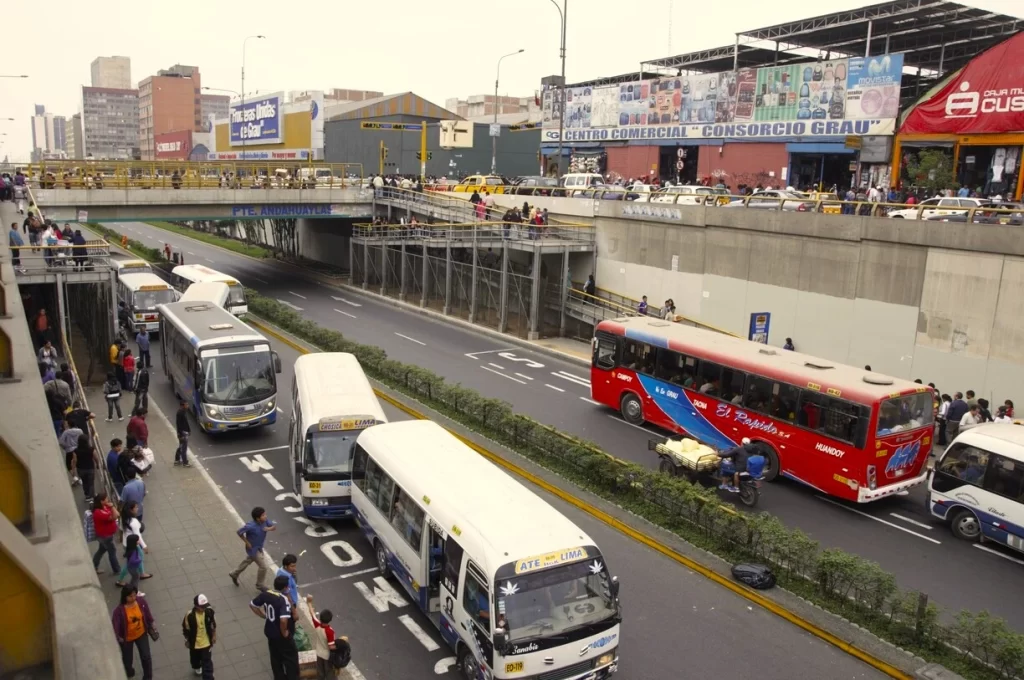
Rush hour. Congestion. Roads jammed. Buses packed. What to do? Go out or wait until the city calms down a bit. Lima, why are you like this? So much traffic, so much restlessness, so much coming and going along your main streets and avenues. What happened to you? You used to be quieter and more peaceful. I remember it well — I’ve known you for over five decades. Yes, you’ve changed. We’ve changed you.
You’re no longer the serene city shown in old photographs, in images from another time. Back then, you were far from being a metropolis of over ten million people. In the second half of the 20th century, you grew faster than ever before in your long history. The cancer of centralism and the terrorist violence of the 1980s and 90s turned you into a refuge for thousands of citizens from all over the country.
Explosive growth, poor urban planning, and the ineptitude of the authorities gave rise to a series of problems we still haven’t been able to solve. Traffic chaos, environmental pollution, shrinking green spaces, lack of basic services in many neighbourhoods, and a worrying security crisis are the everyday troubles we Limeños face.
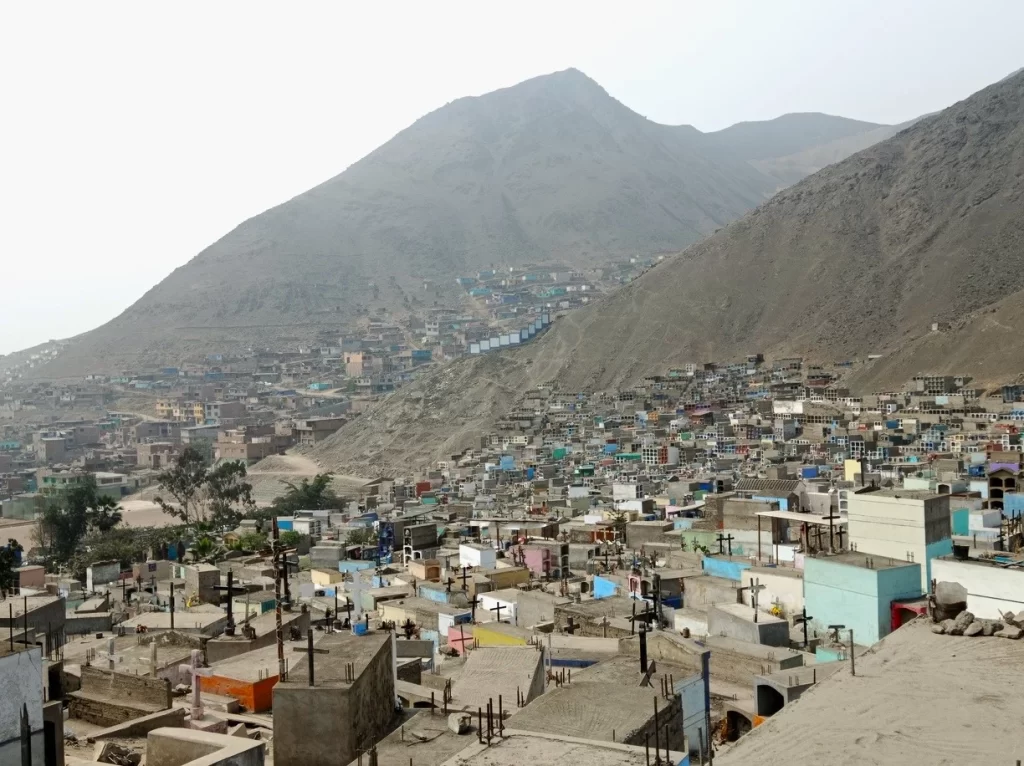
Ah, I’m sorry, my dear Lima — I’d love to say you’re the best city on the planet. But you’re not, even though the charm of your colonial and republican architecture shows that you once had better days — times of splendour and an easier pace of life. Well, perhaps it was all just appearances. Appearances that deceive, much like now. Because behind all the chaos, there’s so much to discover in Peru’s capital.
Believe me, it’s worth exploring the so-called “City of Kings”, because beyond its problems and shortcomings, it’s a vibrant, diverse, colourful, and delicious destination — thanks to its exquisite cuisine. And so you can truly enjoy your time in my city, I’ll share a few local secrets with you — insights that will help you navigate and overcome the urban challenges of the “Thrice Crowned Villa.
Getting Around Lima
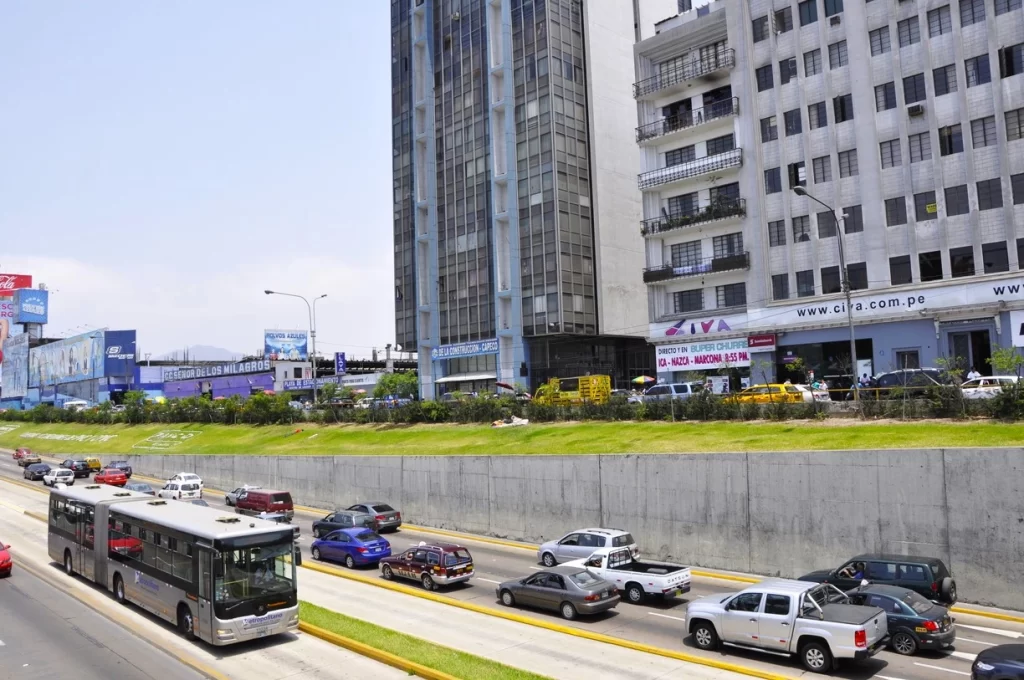
Lesson 1: Don’t travel during rush hour. Don’t forget this. If you do, you’ll become a hostage of Lima’s traffic — a hostage psychologically tortured by the constant blaring of horns, a hostage who, before even getting on the bus, will be pushed, squeezed, and jostled by a wave of desperate passengers racing against the clock, all determined to take your spot and leave you stranded at the stop.
Alright, I might be exaggerating a bit — but only so you understand that during rush hour, it’s best to avoid taxis, shared cars, combis, cústers, buses, mototaxis, and even the carriages of the electric train. So, between 6:00 and 9:00 in the morning, and 17:00 and 20:00 in the evening, stay at your accommodation or walk to a nearby attraction. Also keep in mind that drivers and pedestrians aren’t exactly friendly when traffic gets heavy.
Lesson 2: Avoid street taxis, shared cars, and unlicensed combis. Here’s why: in my city, there’s an entire “parallel” transport system — vehicles that operate without official registration. In theory, they’re illegal, but in practice, they circulate freely. This disorder is taken advantage of by criminals who pose as drivers to carry out all sorts of misdeeds.
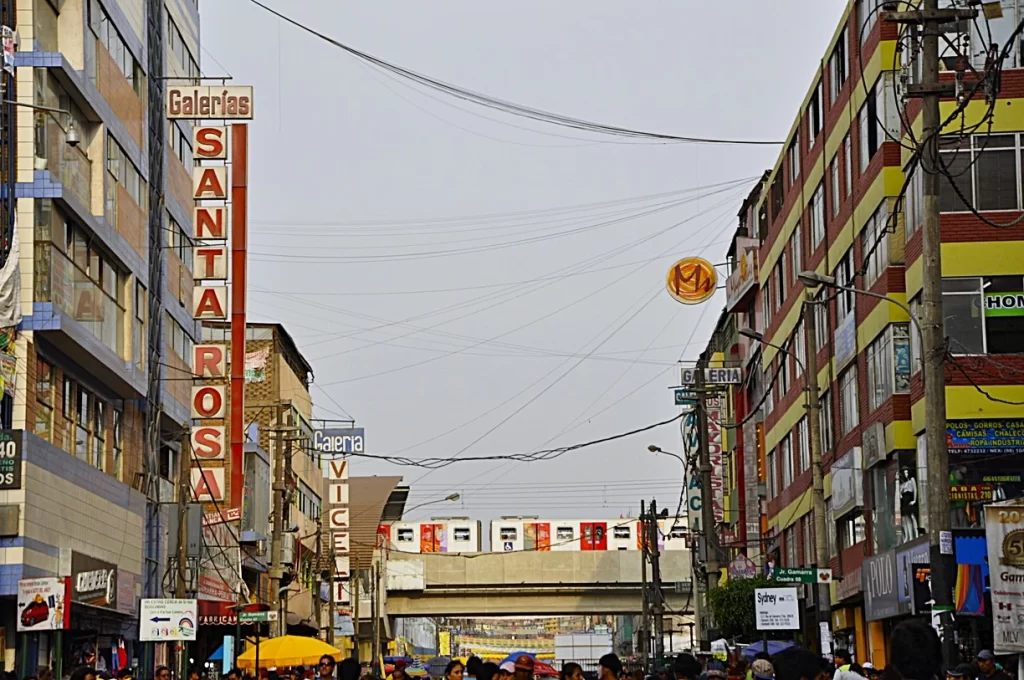
Don’t be alarmed — everything has a solution. In this case, use the official transport systems, such as the Metropolitano, the Blue, Red, and Purple bus corridors, and Line 1 of the Lima Metro. You might have to wait a few minutes before getting on, and you may travel packed in and a bit uncomfortable, but the risk of falling victim to a criminal is minimal. Still, stay alert — there are always a few “light-fingered friends” around.
Lesson 3: Cycling is an option, but… be very careful. There aren’t many cycle lanes, and drivers aren’t exactly friendly towards two-wheeled vehicles. If you’ve got nerves of steel and experience riding in busy urban areas, go ahead and pedal. In the end, arguing with drivers can’t be worse than dealing with the impatient passengers pushing through the queues for the Metropolitano.
Safe traveller
Lesson 1: Stay alert — always alert. Never let your guard down. The city isn’t a paradise of peace and harmony, so a healthy dose of suspicion and caution is your best ally. That doesn’t mean walking around scared or paranoid — the key is simply to avoid dangerous areas, dark streets, and deserted spots. Before heading out, ask at your accommodation whether your destination is considered safe.
Lesson 2: Don’t make yourself an easy target. Urban experience — and survival — teaches that it’s unwise to display valuables in busy or unsafe areas. For instance, if you have an expensive phone, avoid answering calls or messages in public places where you don’t feel confident. If you must answer, keep the conversation short.
This advice applies to all your belongings. Other ways of “giving yourself away” include leaving a backpack pocket open or your things unattended on a restaurant chair or elsewhere. It’s also unwise to keep your wallet somewhere easy to reach (pickpockets are very skilled) or to show that you’re carrying a lot of cash — criminals have sharp ears.
Lesson 3: Less is more. Don’t go out carrying all your money or credit cards. It’s also not a great idea to wear expensive jewellery or watches. Leave your accommodation with only what’s essential — just enough to enjoy the many attractions of the “City of Kings.” That way, you won’t stand out as a potential target for thieves.
Lesson 4: Don’t be fooled. Scammers often target tourists. If someone approaches you offering a service or an incredible deal, be very cautious. There have been plenty of cases where travellers have been tricked in various ways. Never hand over money or share your personal details with a stranger, no matter how tragic or moving their story sounds.
Final tips
Lesson 1: Don’t drink the water. Follow this old saying to the letter during your stay in Lima. It’s well known that drinking unboiled water can cause stomach troubles for travellers — something that happens in cities all over the world, and our capital is no exception. Be cautious and stick to bottled drinks. Your body will thank you for it.
Lesson 2: Copies can save the day. Make sure you have photocopies of your ID documents and keep them separate from the originals. In case of theft, they’ll serve as a backup and make official procedures much easier. Another good idea is to upload digital copies to the internet, so you can access them from anywhere.
Lesson 3: A little goes a long way. Keep this in mind when eating. Lima is one of the world’s great culinary capitals, and in its restaurants, huariques (local eateries), and street food stalls, you’ll be tempted to try a bit of everything — and then some. Don’t overdo it. Be cautious. Overindulging at breakfast, lunch, or dinner can easily upset your stomach.
So don’t go overboard with the ceviche, causa rellena, or lomo saltado. And don’t make that same mistake with chilcanos or pisco sours — though that’s a topic for another time. Because in Lima, beyond the sometimes hellish traffic and the occasional mischief of a few wrongdoers, there’s always a reason to raise a glass and enjoy life. Cheers to my city!
Yes, that’s part of its charm — and one of the reasons I’m still here, writing about both the good and the not-so-good sides of a city you simply have to experience. I promise you’ll have a wonderful time if you follow the lessons in this guide. After all, there’s no such thing as a perfect place — only cities with roots, history, soul, and tradition. Lima is one of them. Come and discover it!
October 31, 2025