


Callao: Lima’s port that isn’t actually in Lima

Photo: Inventario Turístico Mincetur
In Lima, the Peruvian capital, there’s the sea, beaches and piers, but not an actual port. Nor is there an airport handling national and international arrivals. I know it might sound strange that a city of over ten million people, facing the Pacific and serving as the main gateway to the country, lacks such key infrastructures within its urban area.
I’m not kidding or exaggerating. “I swear on Sarita”—a “saint” venerated by the people, though not officially by the Church—there’s neither of these in the city founded by the Spaniard Francisco Pizarro on 18 January 1535. And before you think I’m mistaken—and I’m sure you’ve read or heard otherwise—let me explain the widespread confusion about this matter.
The reason: the port and the international airport that serve Lima aren’t located in any of the city’s 43 districts. They are in Callao, a neighbouring city with which Lima forms a continuous urban area. Despite its proximity, the “Constitutional Province”—an honorary title granted in 1851 for defending the Constitution during a Civil War—has its own unique character and identity.
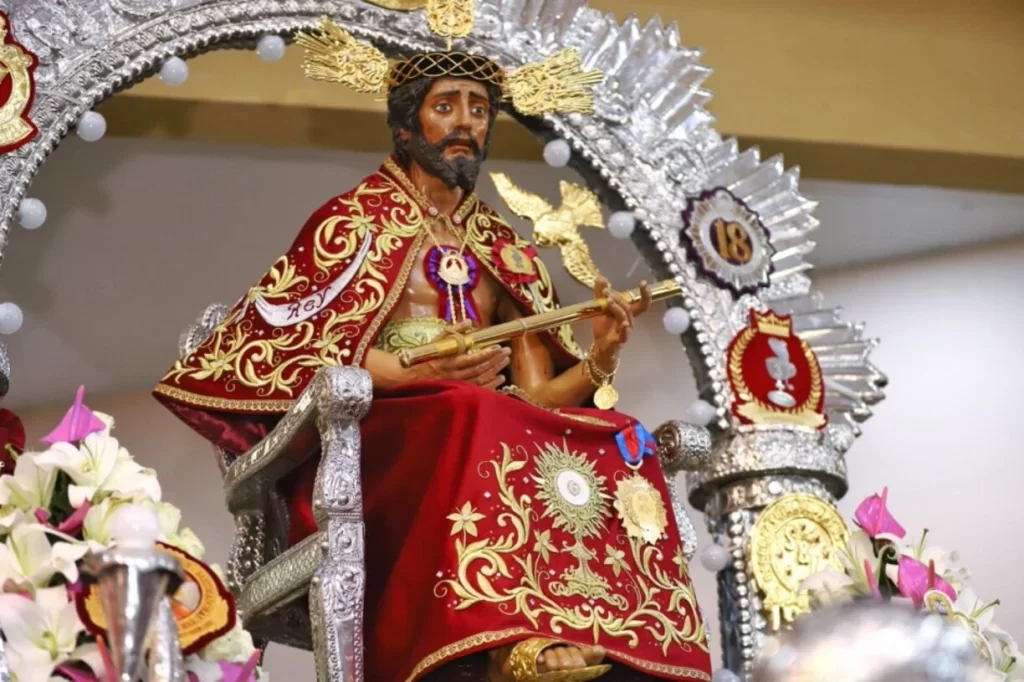
Photo: La Noticia
It also has its own devotions. El Señor del Mar is the sworn patron and protector of the province (in Lima, that title belongs to El Señor de los Milagros). Carved in wood, the image was found intact inside a box after the earthquake and tsunami that devastated the port in 1746. That was the origin of the cult of El Señor de la Caña and Justo Juez, as it was originally called.
Interestingly, the faith in both patrons is linked to seismic events. The story goes that in Colonial Lima, an enslaved Angolan painted the image of Christ on a wall in Pachacamilla. Miraculously, it remained standing during the earthquake of 1655. Since then, El Señor de los Milagros has been venerated. Its processions take place in October, just like those of El Señor del Mar.
La Sarita, the people’s saint
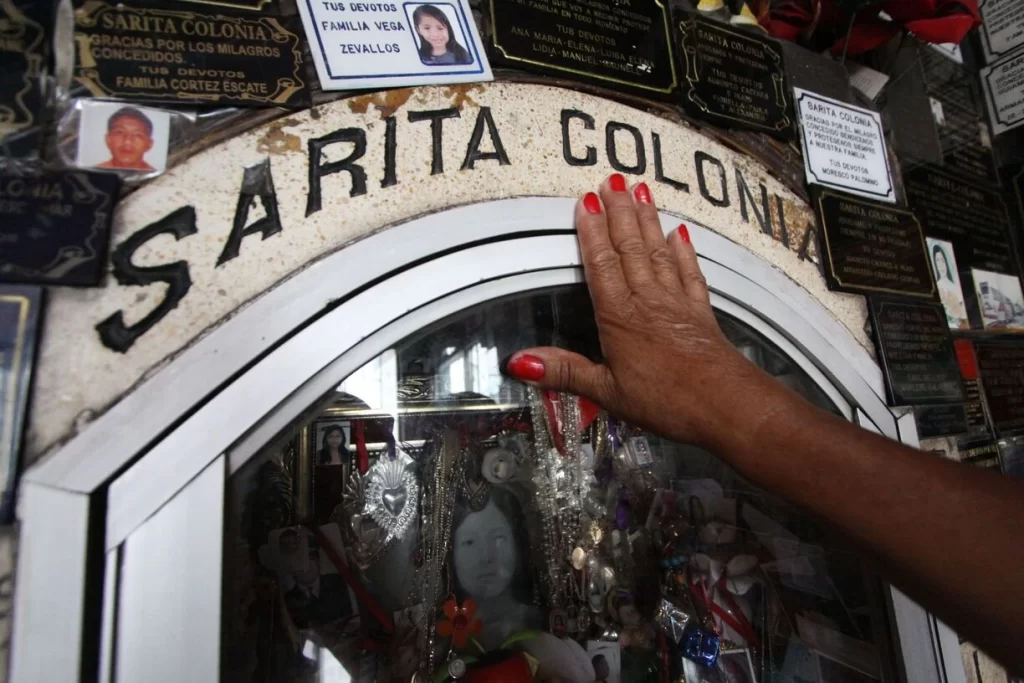
Photo: Agencia Peruana de Noticias Andina
The same happens with Rosita and the aforementioned Sarita. Saint Rose of Lima is the Patroness of Peru, the Americas, and the Philippines. Loved, adored, and respected since colonial times, Isabel Flores de Oliva—her earthly name—remains in the hearts and prayers of the capital’s residents. They write letters with their requests and drop them into the wishing well of her historic sanctuary.
The case of Sara Colonia Zambrano, Sarita Colonia, is very different. Born in 1914 in the mountainous city of Huaraz (capital of the Áncash region), she moved to Callao at the age of 16 with her father to work as a nanny in a wealthy household. This marked the beginning of a hard-working life in which she would also work as a laundress, domestic servant, and street vendor.
After a brief period living in Lima, the “Patroness of the Poor,” as she is also known, died in Callao at the age of 26. Her strenuous life, her migrant background, her empathy for the marginalized, and the countless miracles attributed to her made her a popular “saint,” one who blesses and protects all who believe in her, including even the most hardened of criminals.
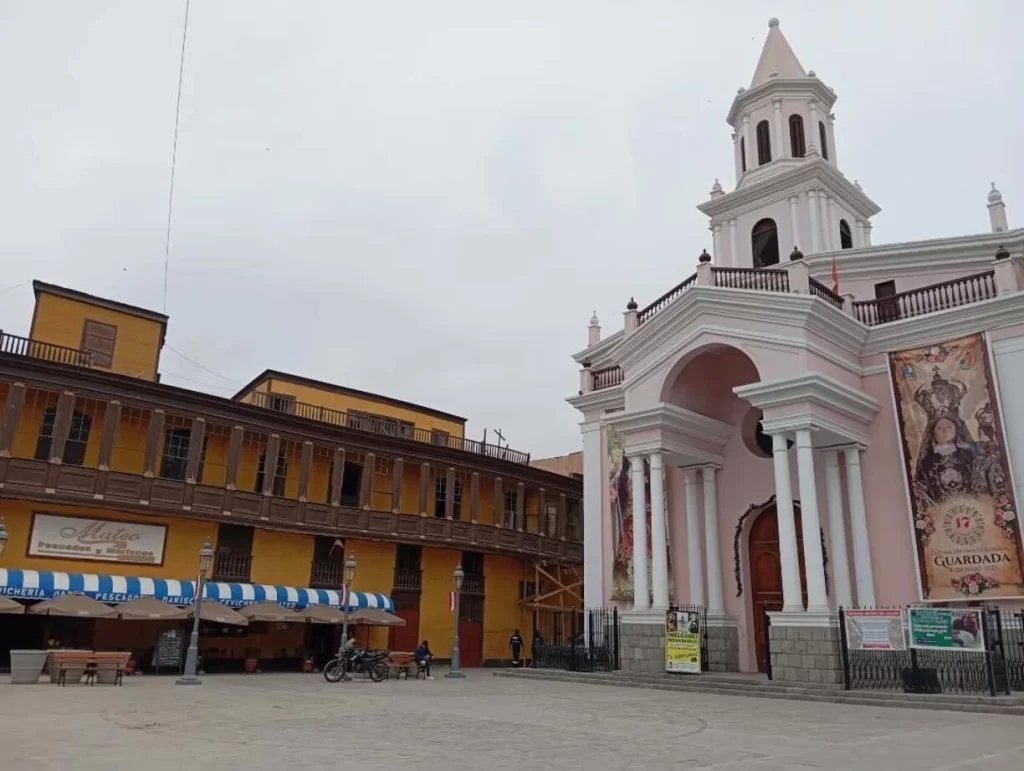
Photo: Explorando Perú
Sarita makes no distinctions. That’s why she is so loved and cherished by the excluded and those who are invisible to society. She is who she is, and perhaps because of that, she is not officially recognised by the Church nor does she have a place on formal altars. Yet this hasn’t stopped her devotion—which is said to have begun in the 1970s among the dockworkers of Callao—from spreading from the port to the rest of the country.
Sarita’s remains rest in the Baquíjano and Carrillo Cemetery in the Constitutional Province. Every year, on 1 March, the cemetery is visited by the faithful and devotees of the “Patron of the Poor”. They commemorate the life of this humble woman who, through her kindness, sacrifice, and perhaps even miracles, earned a place in the hearts of the dispossessed.
A spicy port
Photo: Agencia Peruana de Noticias Andina
Callao is “spicy”—and not because of the little chilli that flavours a good ceviche or the famous choritos a la chalaca, that appetising seafood starter that pays tribute to Peru’s first port. Nor is it about the hearty breakfasts featuring bread with pejerrey, roe, and pickled tuna, accompanied by a revitalising chilcano, a powerful fish broth.
The “spice” I’m talking about has nothing to do with food, but it could cause quite a few headaches for travellers arriving in Callao, whose colonial history began almost alongside that of Lima. It’s known that the first Spaniards settled on the Callao coast in 1535, the same year the nearby Peruvian capital was founded.
The opening of the first tambo in the area—a Quechua term meaning “lodging place”—marked a milestone in the port’s urban development. This took place on 6 March 1537. Eighteen years later, the Spanish quarter was built, and in 1538 Francisco López was appointed mayor of the flourishing port of Lima by Viceroy Andrés Hurtado de Mendoza, as it was known at the time.
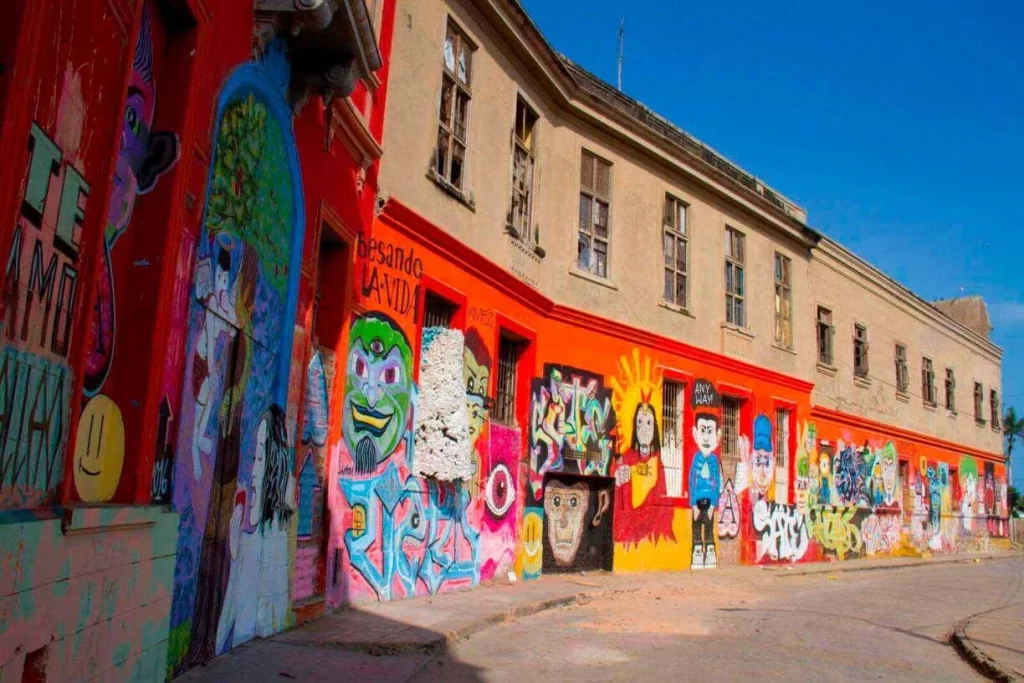
Photo: Y tú qué planes
Little by little, the colonial port—chosen for its wide harbour, favourable winds, and mild climate—gradually ceased to be merely an appendage of the viceregal capital. Through tenacity and effort, the people of Callao would carve out their own history and identity, laying the foundations for a vibrant, cosmopolitan city through constant contact with sailors from all over the world, many of whom would become “chalacos” themselves. For this and other reasons, on 20 August 1836, it was officially recognised as a coastal province.
A province that, given its proximity and accessibility—it’s only 15 km from the Historic Centre of the “Thrice-Crowned Town”—shouldn’t be left out of your travel plans. That said, be cautious and stay alert during your visit. I won’t lie: Callao has several “spicy” (dangerous) spots, but in the historic area, the chances of having a bad experience are slim.
Chalaco Precautions
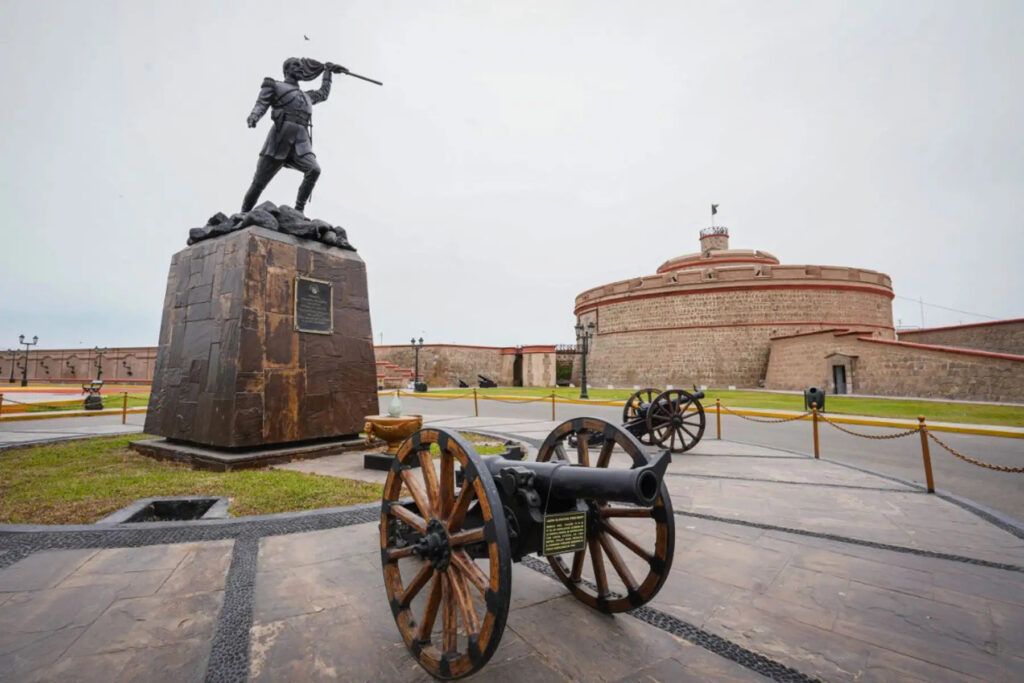
Photo: Agencia Peruana de Noticias Andina
Better by day than by night. Better in a rideshare taxi than in one hailed off the street. Better to ask for directions than to venture down a lonely street. Yes, the best approach is to explore the Historic Centre of Callao with caution—but without fear. It was declared a “National Cultural Heritage Site” in 1972 for its famous colonial houses, churches, public spaces, balconies, and cobbled streets from the Republican era.
But that’s not all. The Tourist Resources Inventory of the Ministry of Foreign Trade and Tourism (Mincetur) also notes that the area was the stage for major historical and military events, including the Dos de Mayo battle. Add to that the monumental architecture, the proximity of the ocean that always soothes, and the lively, musical—especially salsa-loving—spirit of the locals, and your getaway will be an absolute winner.
A winner just like the goals scored by Sport Boys, the club representing the Constitutional Province. So don’t be surprised if, before entering the Real Felipe Fortress—a colonial stronghold built to fend off corsairs and pirates, or before spotting the huge ships anchored in the bay, or pausing in front of the Main Church erected in 1833—you come across a young man proudly wearing a pink jersey.
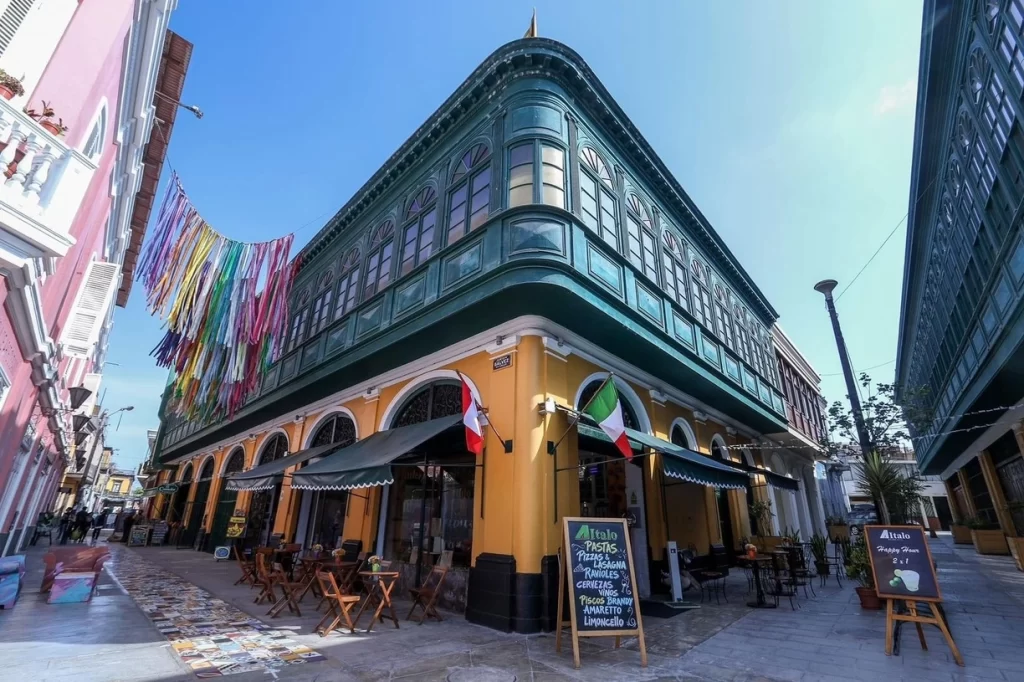
Photo: Inventario Turístico Mincetur
No, he’s not a fan of Lionel Messi’s Inter Miami. He’s a supporter of “Vamos Boys,” the first champion of professional Peruvian football in 1951 and the pioneer of the pink kit in stadiums. Since its foundation in 1927, clashes with the big teams from the capital, such as Universitario de Deportes and Alianza Lima, have fuelled the classic—and probably eternal—rivalry between the people of Callao and Lima.
And while the results aren’t always the best, locals know that beyond what happens on the pitch, Callao will always keep its essence and identity. You’ll discover it as you stroll through Plaza Grau, along Jirón Constitución, down Calle Independencia, in the Chucuito neighbourhood, on the rocky beaches of La Punta, and in many other corners of this monumental destination that will never, ever be Lima.
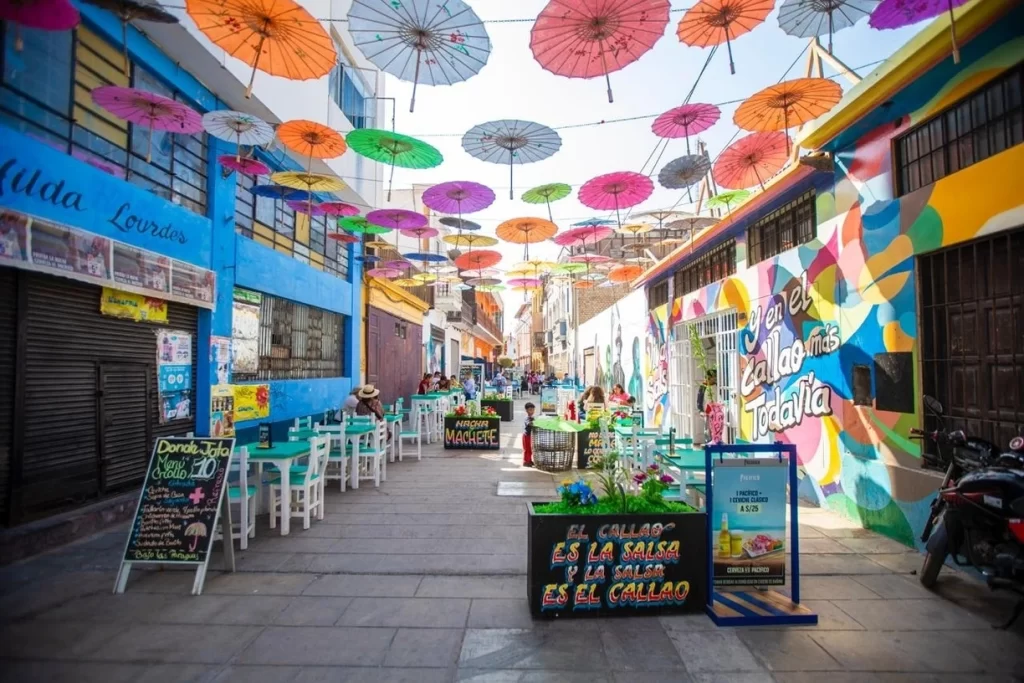
Photo: Inventario Turístico Mincetur
January 9, 2026