


Lima: Oyón, a land of lagoons and mountains
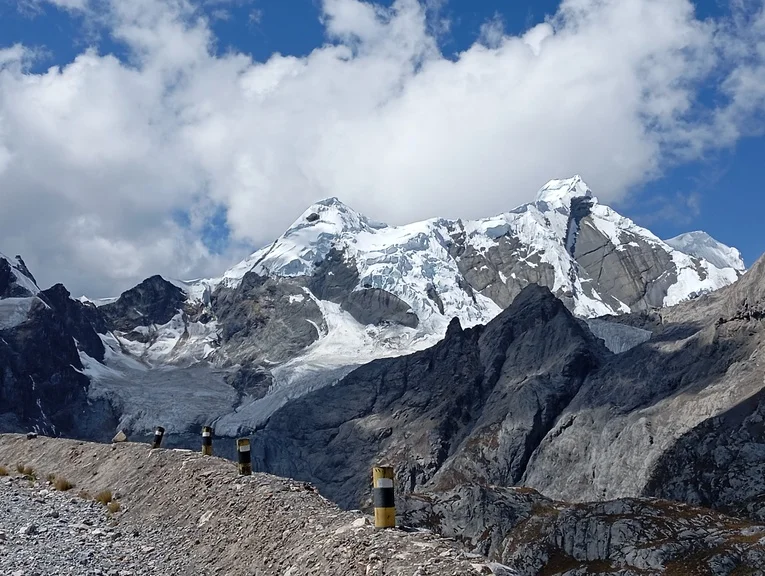
Frozen waters resting on the slopes of a snowy peak. Steaming waters pooling in a thermal spring. Calm waters in lagoons that mirror the sky. Waters that feed rivers and irrigate the fields. Waters that bring beauty to the landscape. Waters that relax and heal, in a destination of mountains, plains and ravines, with llamas, alpacas and vicuñas, with high-altitude routes and trails that few people know and almost no one ever walks.
“Tourists don’t make it up here. They always stay down below, always further down,” says my seatmate on the bus that’s taking us away from Lima, the capital of Peru, along the Panamericana Norte highway. His words hit me like a missile. I’m a traveller who has never reached his district — perhaps out of ignorance, or maybe from the comfort of staying below.
But this time will be different. Today, I’ll go all the way to the final stop of the interprovincial bus, which has already turned off the Panamericana and left the Pacific coast behind. The road climbs higher. The landscape begins to change, little by little. The hills grow tall and powerful, the road narrows, twists, bends. Even the air smells different — the scent of countryside, the scent of life.
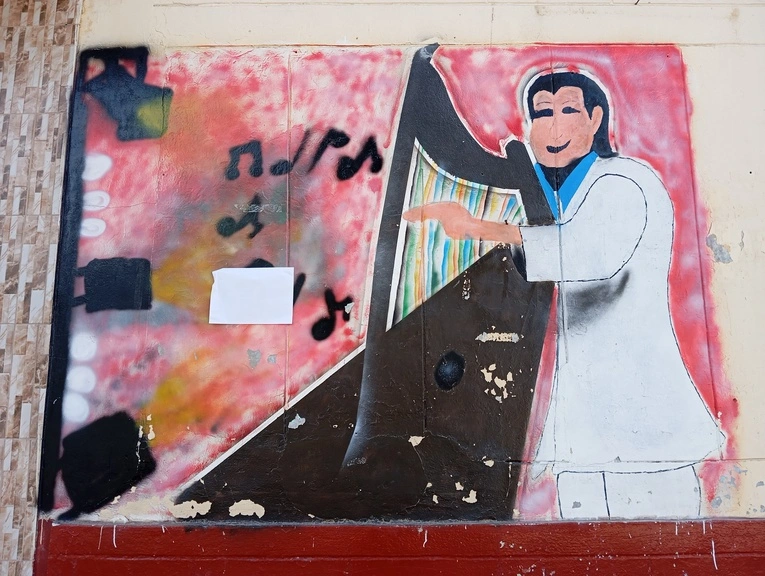
“I’m going to visit your homeland. It’ll be my first time,” I tell my temporary travel companion. He smiles. “It won’t be your last,” he replies with complete certainty. “You’ll have a great time,” he adds enthusiastically — so enthusiastically that, without my asking, he begins to plan my itinerary. He then lists one place after another that I must see in the “Cradle of the Harp” and the “Coal and Silver Capital of Peru”.
That’s how they refer to the town of Oyón (3,620 m a.s.l.), capital of the province and district of the same name in Lima Provinces. That’s my destination — a place which, despite its splendid natural scenery and its proximity to the “City of Kings” (Distance: approx. 250 km, around 4 hours on a paved road), is often overlooked by tourism operators and independent travellers alike.
A stop in Churín
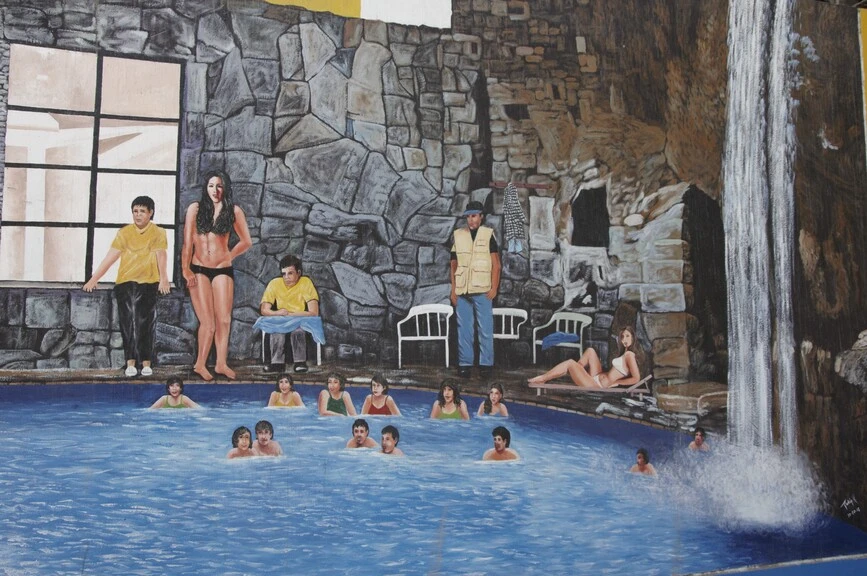
“Families, groups of friends, and couples in love come here every weekend. And during long holidays, the streets turn into a bustling hive of people. Lots of visitors head straight for the baths,” my seatmate tells me as the bus stops in Churín (Pachangara district, Oyón province) — a paradise of thermal medicinal waters at 2,258 m a.s.l.
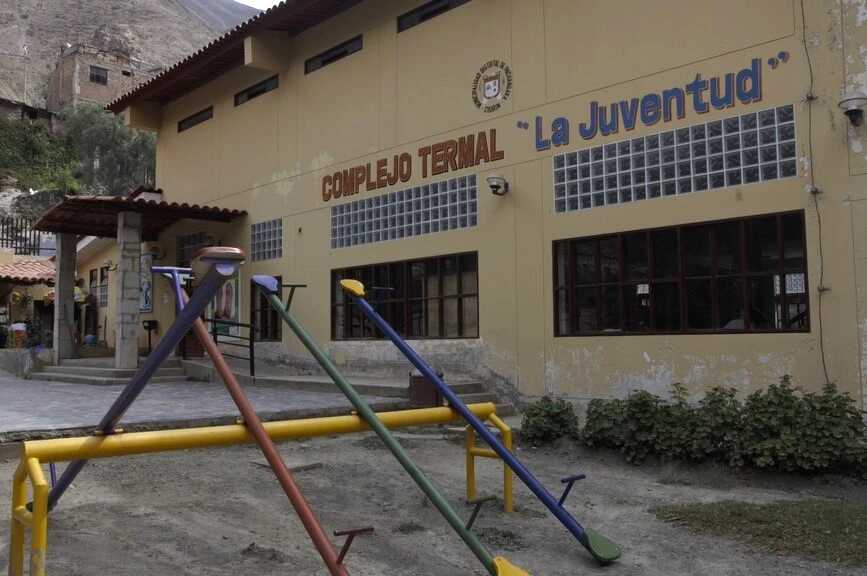
The stop takes a while. It’s Saturday and most passengers get off here. Only a few of us will continue on to Oyón (just one more hour along the road). That’s usually how it goes. I know it, and I get it. I was once one of those tourists looking to unwind in the pools and hot springs of Mamahuarmi, La Juventud, the Twin Pools and La Meseta, among others.
The waters rise from deep underground. They filter through fractures in the rocks, with the Chimú aquifer being the main source of these “thermal and mineral springs, which are historically renowned as an energetic and wellness destination. The positive effects of the local mineral waters on the human body are undeniable and have been used since ancient times.”
My seatmate didn’t tell me any of that. I found it out in a document from the virtual repository of the Geological, Mining and Metallurgical Institute (Ingemmet). That wasn’t the only discovery I made online. I also learned that the sulphated and bicarbonated waters (which can reach temperatures of up to 70°C) are highly recommended for visitors suffering from rheumatic, respiratory, and nervous conditions.
“I’m sorry, my friend, I won’t lie to you. Churín is a fantastic place to disconnect and enjoy yourself — not only thanks to its thermal baths but also its scenery,” I say as the engine roars back to life. My companion takes no offence. He knows I’m telling the truth, but he is utterly convinced that his hometown is even more appealing. “We have hot springs in Oyón, too,” he says. “So get ready for a proper splash.”
Oyón: first steps
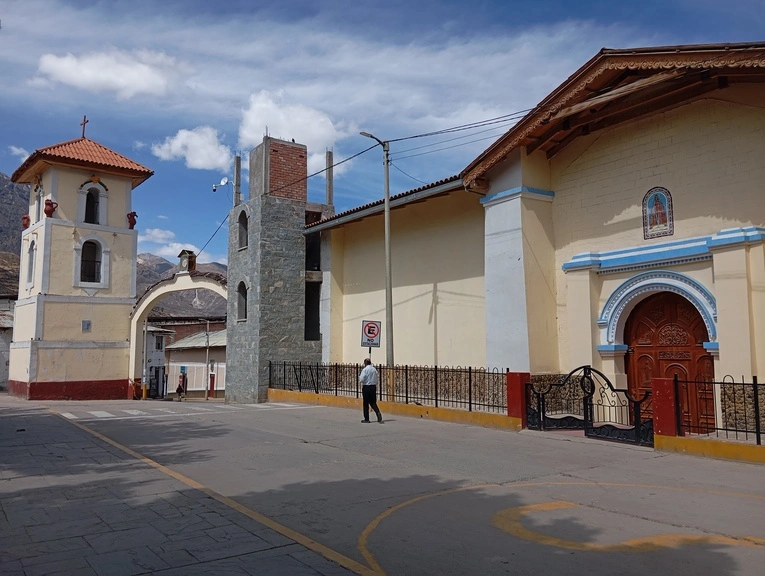
Slopes and bends mark the final stretch of a journey that begins at various stops in central and northern Lima. Buses to Oyón depart every day at different times, and the fare is around 30 soles (approximately 8 US dollars). If you’d like more details, visit the website of the transport company Internacional Cruzero Express, where you can also purchase your tickets online.
Keep in mind that travel agencies and tour operators don’t offer regular departures to the “Cradle of the Harp”, so you’ll need to organise this adventure on your own. In Oyón, you’ll find more than one option for an overnight stay. Just note that there are no luxury or high-star hotels. The same goes for restaurants — they’re simple, but they get the job done.
The main challenge —although don’t worry, there’s an easy fix— is arranging outings to the main attractions. I recommend stopping by the Tourist Information Office at the Town Square (Plaza de Armas), where they’ll explain the possible routes and, if needed, put you in touch with a reliable taxi driver who can take you to the most interesting spots.
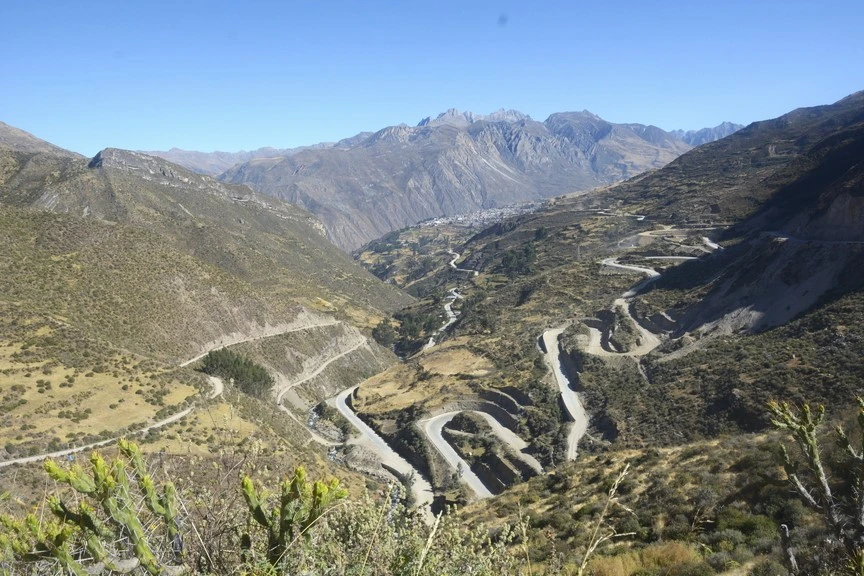
The journey comes to an end. It’s time to say goodbye. “Brother, you’ll want to come back. When that happens, you’ll remember me,” my seatmate insists, repeating his prediction as he shakes my hand and gives me directions to reach the centre of Oyón, not far from the bus terminal. I walk slowly. I breathe deeply. I’m cautious — I don’t want to tempt altitude sickness.
Experience teaches us well. In the highlands, you must take things easy until your body adjusts to the altitude. You shouldn’t eat too much either, and greasy dishes are best avoided. Be careful with your first lunch and first dinner — digestion takes longer up here. Enough advice. I’m already in the centre, in the main square, standing before the church. The adventure begins.
Exploring the routes of Oyón
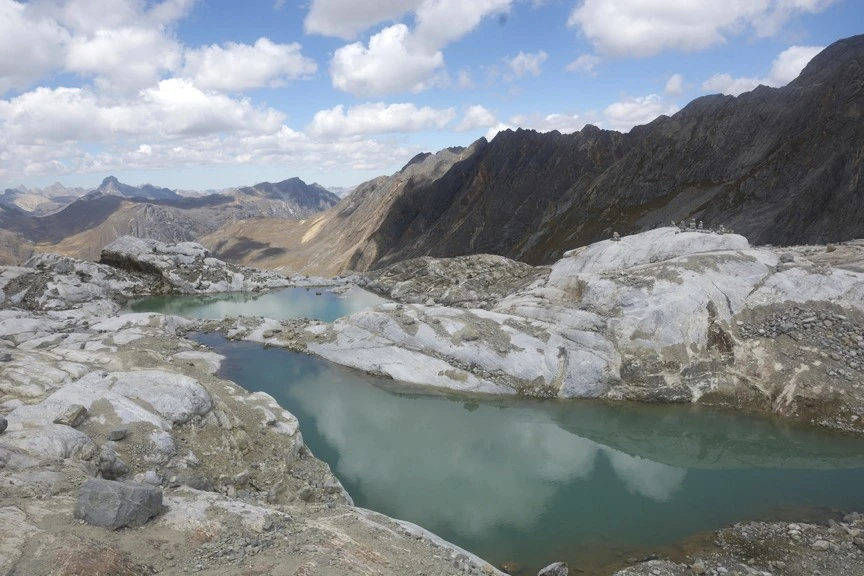
Make the most of the time. Follow the advice of my travel companion. Head to the main square and then up to the viewpoint. A panoramic scene: clear skies with no hint of rain, a ring of mountains, and a small but charming town below. Step out, explore, and set off towards the blue-green waters of Lake Patón (4,085 m a.s.l.). Immensity, grandeur, reflection. A moment to pay tribute to Mamapacha and the Apus.
A full-on outing. I return to the vehicle I boarded in the town centre. From Oyón — named after the Spanish soldier Álvaro de Oyón, who arrived in these lands in 1533 — to Patón, and from Patón onwards to Añil Cocha. Another lagoon. More blue waters on the road that leads to the Plomo Pampa mining camp and the Nazareno mountain range, the natural barrier dividing Lima Provinces from the Pasco region.
More trips, more places. Wild vicuñas and queuña forests around Cochaquillo, a lagoon at 4,420 m a.s.l. Mountain trails and frozen waters at Mount Jimena (5,200 m a.s.l.), one of the peaks of the Raura range. Is that all? I recall my seatmate once again. He spoke of ancient Inca pathways, of abandoned coal mines, and of the breathtaking Lake Surasaca (4,397 m a.s.l.).
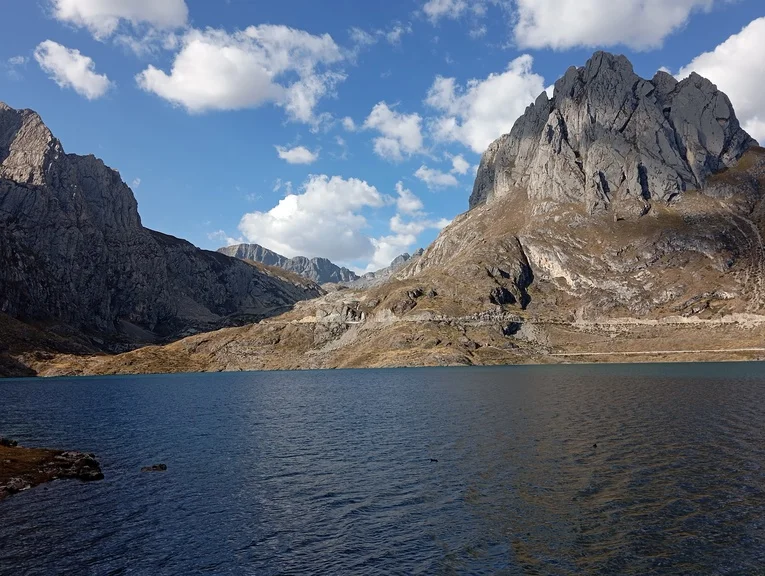
He wasn’t lying. Surasaca, just 6 kilometres from the community of Quiches (north of Oyón), is a stunning mirror of water. Here, the cold and the altitude simply don’t matter. The beauty of the landscape, crowned by the peaks of the Huayhuash range, is enough to warm both body and soul. From this spot, you can walk all the way to Lake Viconga (an 8 km round trip). Go on — put your fitness to the test!
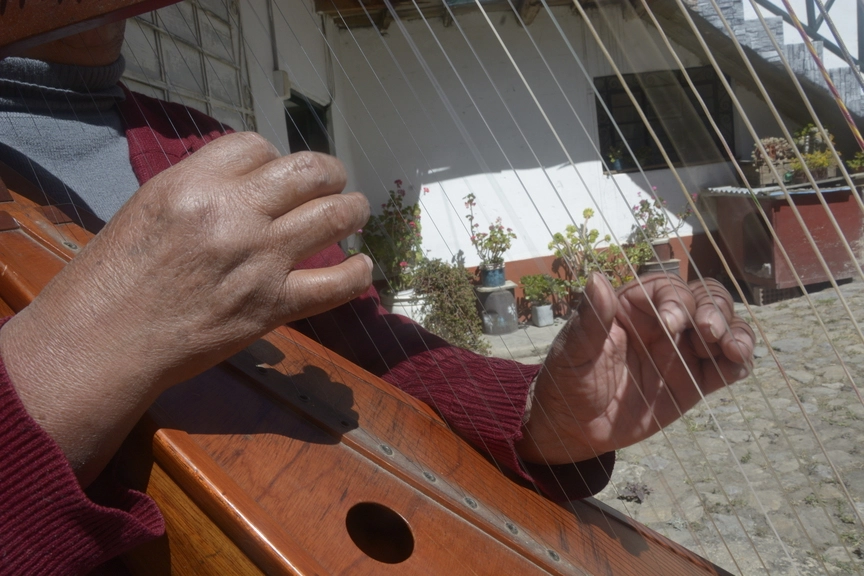
Another challenge on foot is the climb up to Quillahuaca, a pre-Hispanic archaeological site. After such effort, it’s not a bad idea to listen to the harpists of Oyón — so renowned that the district is known as the “Cradle of the Harp”. Before returning to Lima, take a dip in the pools or hot springs of Víroc. “If you do, you’ll never want to stop in Churín again.” Oh dear, now I’m starting to sound just like my seatmate.
October 27, 2025