


Lomas de Lima: The oases of the coastal desert
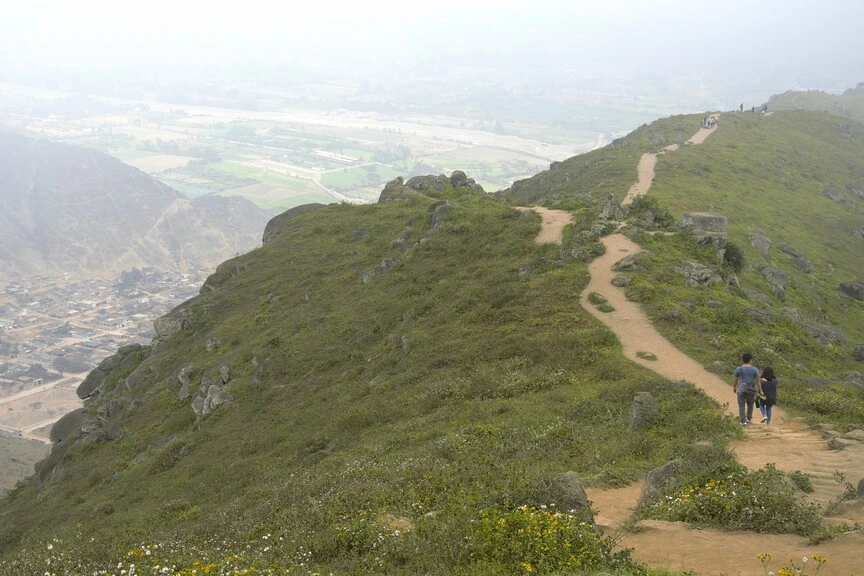
Thick mist and humid air cloak the hills of the coastal desert. The haze blurs the horizon and the twists of the path. It also dims the green of the trees, shrubs, and plants, creating a mysterious —almost ghostly— scene. Yet it neither intimidates nor frightens; instead, it invites you to explore without fear and to discover with fascination, all while listening to the whisper of the wind and the birdsong.
Amid the flora and fauna that you see, hear, and even sense, it’s hard to believe you’re in the desert; but you are, because these hills you climb step by step are nothing more than a whim —or if you prefer, a miracle— of nature. A fleeting miracle. A miracle that brings forth short-lived oases in the coastal hills, a seasonal ecosystem found only in Peru and Chile.
“The coastal hills are endemic ecosystems with ever-changing features. In winter, they reveal a wide variety of vegetation thanks to the mist that reaches them, while in summer the greenery fades to the point of becoming scarce to the naked eye,” explains the website Clima de Cambios, an awareness and outreach initiative from the Pontifical Catholic University of Peru.
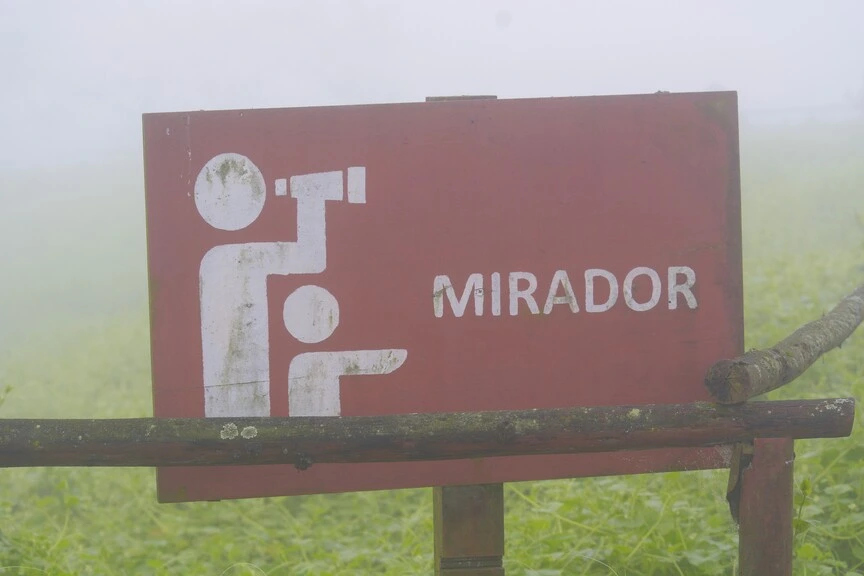
From Bayóvar in the north of the country to Tacna on the border with Chile, there are at least fifty coastal hills. In Lima, the nation’s capital, travellers like you can visit several of these ecosystems which, as highlighted on the website already mentioned, help purify the city’s air, stabilise the soil, and provide shelter for threatened wildlife species such as the grey deer and the pampas cat.
In the “City of Kings”, the desert bursts into bloom between June and October on the hills of Lachay, Lúcumo and Asia —to name just three spots that are accessible, nearby, and well prepared for visitors. If you find yourself in the metropolis during winter, take a short escape into the mist and humid air of these miracle-green hills. Despite their —shall we say— ghostly look, they are anything but frightening, and exploring them is a delight.
Lomas de Lachay
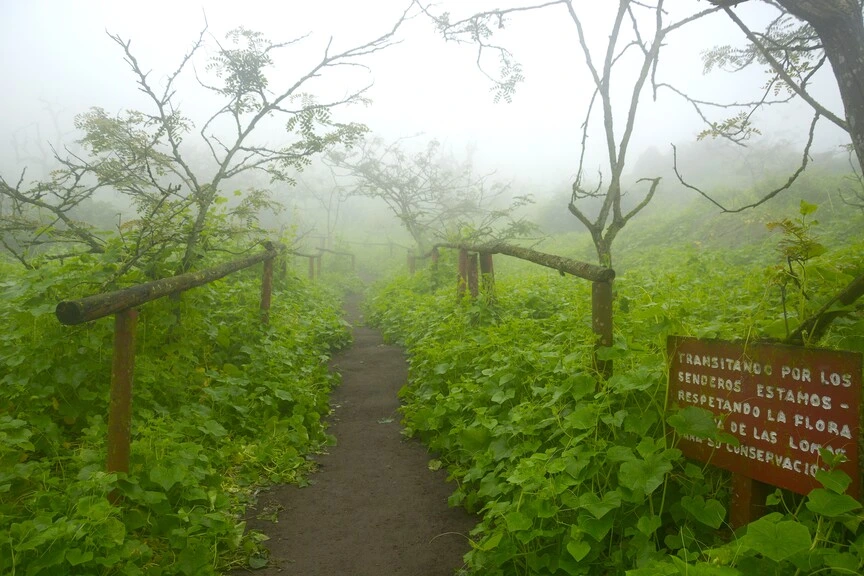
The landscape changes and transforms in winter, when “the sea mist awakens the desert, painting it with the yellow blossoms of Amancaes, the tara and mito trees, and the flight of countless birds.” That’s how it’s described here, and that’s exactly what happens in Lachay —the national reserve that turns green every year. Its 5,070 hectares burst into life, becoming a paradise to explore, a paradise waiting to be discovered.
Getting there is not difficult. The reserve lies 105 km north of Lima. In winter, tour operators offer day trips (around 60 soles). Another option is to take a bus to Huacho and get off at the turn-off to Lachay. From this point, you’ll find taxis (especially at weekends) that will take you to the entrance of the hills (entrance fee: 15 soles for adults, 8 for children).
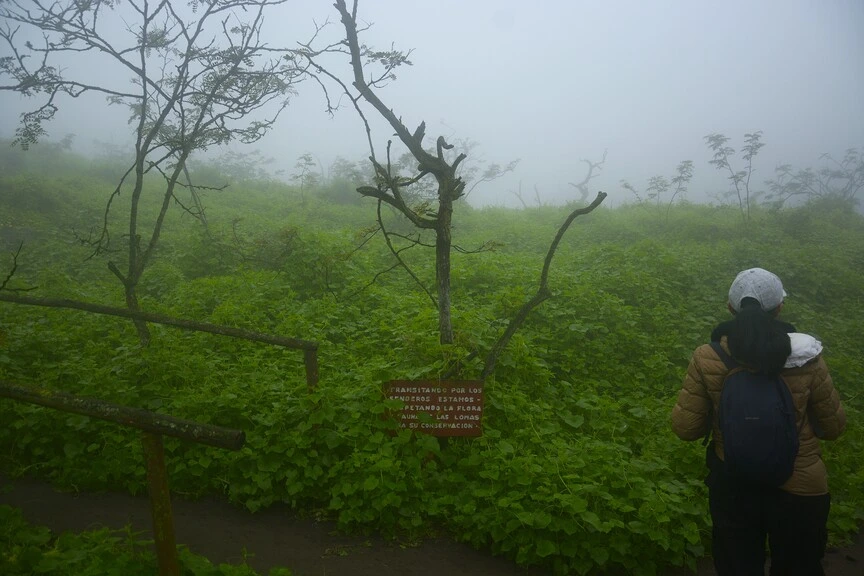
Once at your destination, you’ll find several trails to choose from: the Fox Trail (short and easy), the Tara Trail (leading to a natural spring), the Partridge Trail (the longest and most demanding), and the Cross Viewpoint Trail (where you can admire the Hierbabuena ravine). Along all of them, you’ll get close to Lachay’s biodiversity, where 13 species of mammals, 60 of birds, 9 of reptiles, and 146 plant species have been recorded.
If you enjoy camping, why not spend a night or two in this one-of-a-kind ecosystem? It will give you more chances to spot the coastal fox, the Andean partridge, the kestrel, and the variable hawk, among other species that live just outside Lima —the city from which you’ll set off towards Lachay, a true miracle —or perhaps a whim— of nature in the coastal desert.
Lomas de Lúcumo
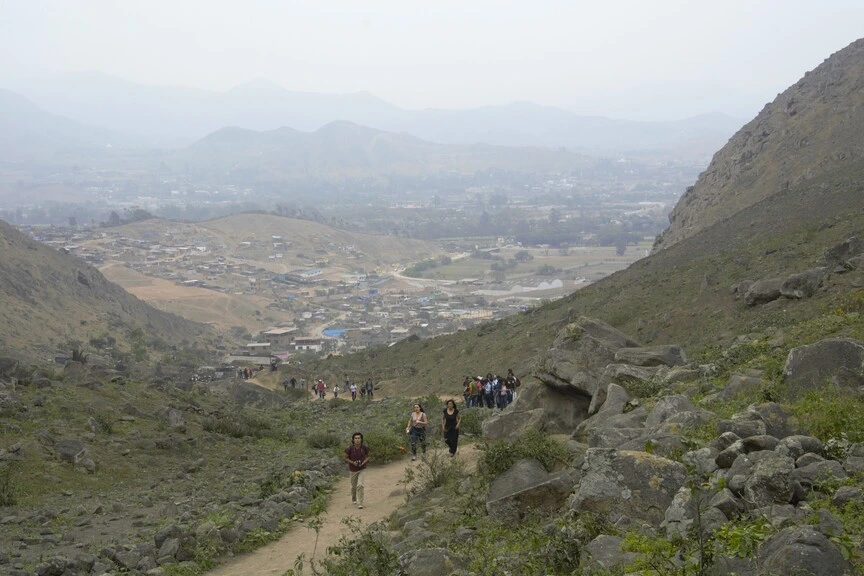
A change of course: from the north to the south of Lima. From the province of Huaral to Pachacamac, one of the capital’s 43 districts. From the hills of Lachay, a national reserve managed by the State, to those of Lúcumo, a 150-hectare natural space that began to be rescued by local citizens in 1996 through the grassroots organisation of the Rural Community of Quebrada Verde.
Saving the hills, caring for them, protecting them, and turning them into an ecotourism destination —that was the dream, and it came true in 2003. Since then, Lúcumo —just 34 km from the Historic Centre of the “City of Kings”— has become an alternative for travellers seeking an escape from the city, a chance to reconnect with nature and enjoy adventure along its two trails: Los Guardianes (4 km) and Los Lúcumos (6 km).
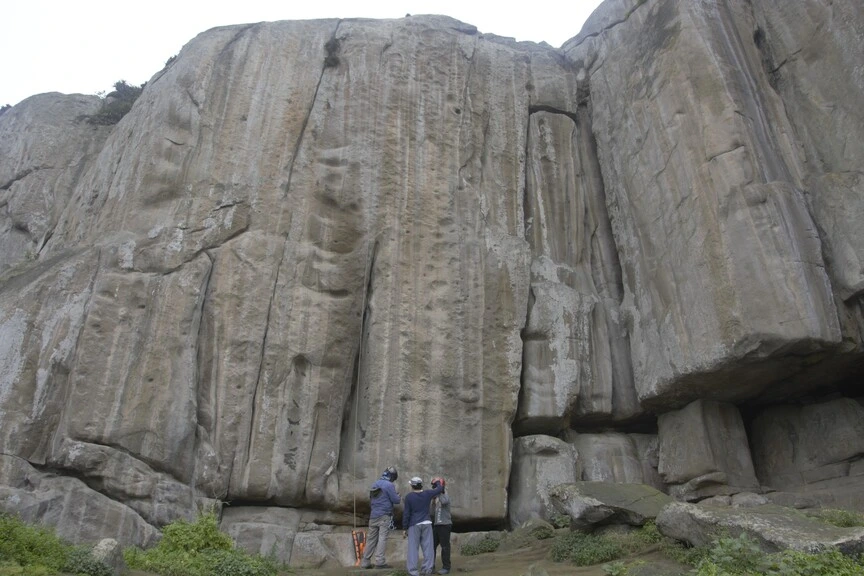
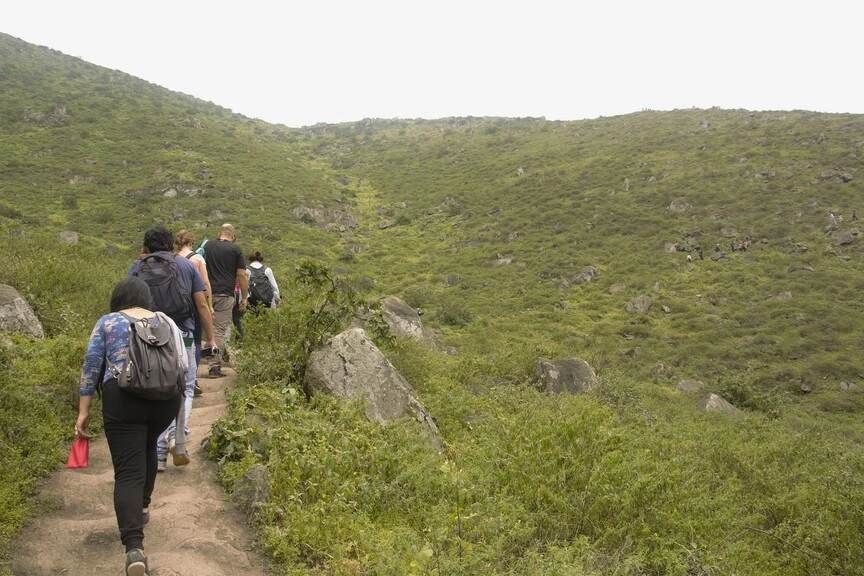
A three to five-hour walk along a winding trail on the slopes of the hill. Listening to the explanations of a local guide who will point out wild tobacco and tell you about the Amancaes flower —or Amancay. With its aromatic scent and vivid yellow petals, it is typical of this ecosystem and only blooms when the coastal desert is cloaked in mist. If you’re after a bit of action, you can also try abseiling or mountain biking.
Tourism in these hills only takes place from August to December. Entry costs 10 soles for adults and 5 for children. Keep in mind that it’s compulsory to enter with a local guide (50 soles on the Guardianes trail and 60 on the Lúcumo trail), and that tour operators organise weekend trips. Getting there on your own is also possible.
Lomas de Asia
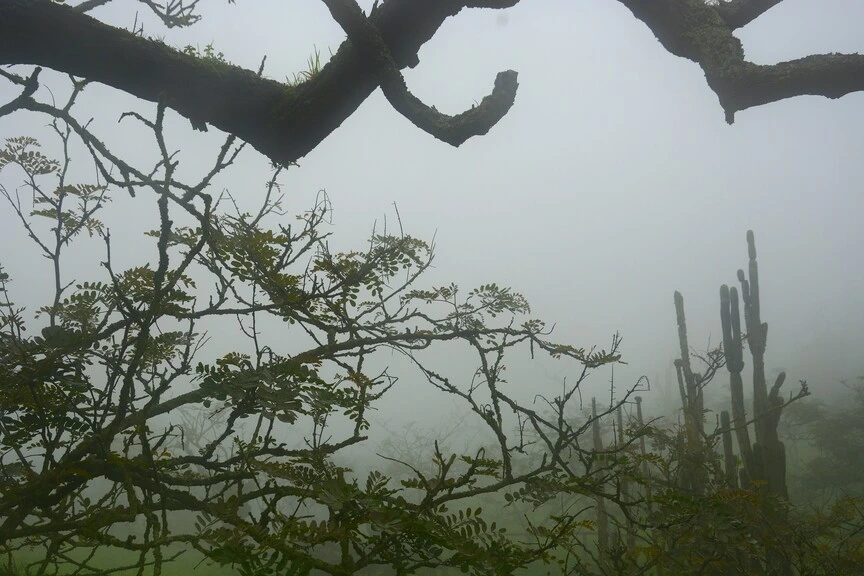
If you ask a Limeño about the hills of Asia, it’s very likely they’ll reply: “Hills? No, Asia is a beach resort” —and not just any beach resort. It’s one of the most exclusive in the south of the capital. That’s why the sand and the waves are far better known than the slopes, the flora, and the fauna of an ecosystem that “paints itself” yellow just when the beaches are empty.
In winter, the Amancaes flowers appear. There are so many of them that the local community of Asia, one of the districts of Cañete (Lima Province), organises a festival in honour of this bulbous plant, the true star of the hills (held at the end of June). The celebration is also an opportunity to showcase the community’s conservation work and achievements, proof that this farming village looks not only to the sea.
They also look to —and protect— their hills, located 115 km south of Lima. That’s why they’ve opened trails with different levels of difficulty (beginner, intermediate, and expert), along with an 8 km birdwatching route where 50 species have already been recorded. Here you might spot hummingbirds, burrowing owls, variable hawks, and kestrels, among many other species that are sure to surprise you.

Covering 10,000 hectares and ranging in altitude from 270 to 890 metres, Asia awaits you all year round —although the best season is from June to October. If you’d like to travel on your own, take a bus to the resort town and from there hire a taxi to the hills (14 km away). Entrance costs 10 soles for adults and 5 for children. If you’d like to camp, the fee is 20 soles per night.
So now you know: Lima’s hills are waiting to reveal to you a unique ecosystem —one that creates temporary oases in the coastal desert. No, they’re not mirages. They’re so real that you’ll find yourself walking among vegetation blurred by the mist, as you listen to the whisper of the humid air and the soothing song of the birds.
September 21, 2025