


Callahuanca: Discover the paradise of chirimoyas in Lima
In winter, when the fog takes firm hold of the skies over greater Lima, travellers and tourists set off on adventurous escapes towards the inter-Andean valleys near the capital. There, among mountains, farmland and peaceful little towns, they find refuge from the city’s noise, rush and tension — and are blessed by the sun that hides from them back home.
Nature, fresh air and gentle warmth await in a series of seasonal getaways just outside the Peruvian capital. From April to October, people of Lima forget about the beaches to the north and south — too cold, too misty, too little sunshine. All the more reason to head towards Chaclacayo, Chosica, and the many small towns scattered across the Santa Eulalia valley and the province of Huarochirí.
These aren’t the only places to relax and unwind. At weekends, entire families, groups of friends and solo travellers leave the city behind. They make their way to Cieneguilla and Antioquia in the Lurín valley; to Azpitia in the Mala valley; and to Santa Rosa de Quives, Yangas and Canta in the Chillón valley — among other enticing destinations that all share the same starting point: the “City of Kings”.
A delicious tourist menu that I’ll be serving to you little by little in this space — so you can see for yourself that in Lima, both the city and its provinces, there’s far more to explore than you might imagine. Don’t believe those who claim that the old town —with its colonial and republican architecture—, the cosmopolitan flair of Miraflores and San Isidro, and the cultural, bohemian nights of Barranco are the only things worth seeing.
That’s simply not true. There’s so much more in both urban and rural Lima — from nearby beaches perfect for surfing to a collection of museums with extraordinary exhibitions; from a park where fountains leap and dance to high-Andean lagoons guarded by snow-capped peaks; from archaeological sites hidden in modern neighbourhoods to ancestral rituals in honour of Mother Earth.
A nearby and accessible destination
“Where should I go this weekend?” I ask myself whenever routine starts to weigh me down. And where should you head during your stay in Lima? Ah, it’s hard to choose where to go; even harder to decide which place to recommend for your itinerary. I think, I focus, I start to write… Stop! You’re making a list — that’s not the way. Focus on just one place.
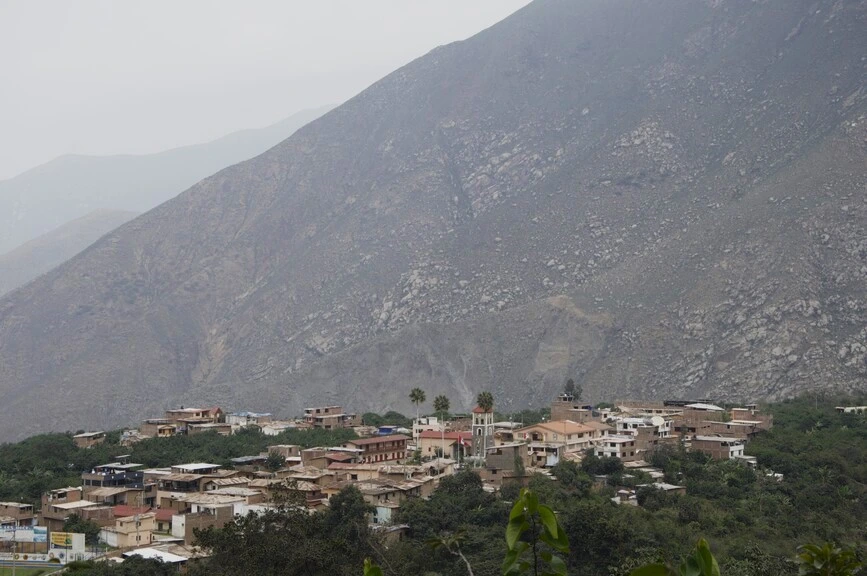
Change of direction, change of strategy. Pause, take a deep breath, and start again: In winter, when the fog becomes an unbreakable curtain in the skies over greater Lima, travellers and tourists set off towards Callahuanca (1,765 m a.s.l.), a farming village with a springlike climate, nestled in an inter-Andean valley in Huarochirí — one of the ten provinces of the Lima region.
There we go — first step done. I’ll write about Santa Rosa de Callahuanca, a splash of green among the mountains on the right bank of the Santa Eulalia River valley. Thanks to its proximity to the capital, this “split stone” (that’s what its name means in English) is a truly tempting destination — as tempting as the delicious cherimoyas, avocados and apples grown and harvested in its fertile fields.
I’ve found the route. I keep writing, and we keep travelling. Let’s move on to the second step: how to get there from Lima?. If you don’t have your own transport, hop on one of the “Chosicanos” — the public buses that head towards Lurigancho–Chosica. Along the way, they travel down Avenida Alfonso Ugarte, Paseo Colón, Vía Expresa Grau, and the Santa Anita roundabout, among other main roads in the capital.
In Chosica, get off at Echenique Park and walk to the stop where cars leave for Callahuanca (about 50 metres away). The road is paved, and along the route you’ll pass through the villages of Palle and Barbablanca, as well as the Juan Carosio hydroelectric plant. The journey includes a winding uphill stretch, and the landscapes will take your breath away. Total distance: 68 km. Travel time: 2 hours 30 minutes-
Chirimoya: the white delicacy of the Andes
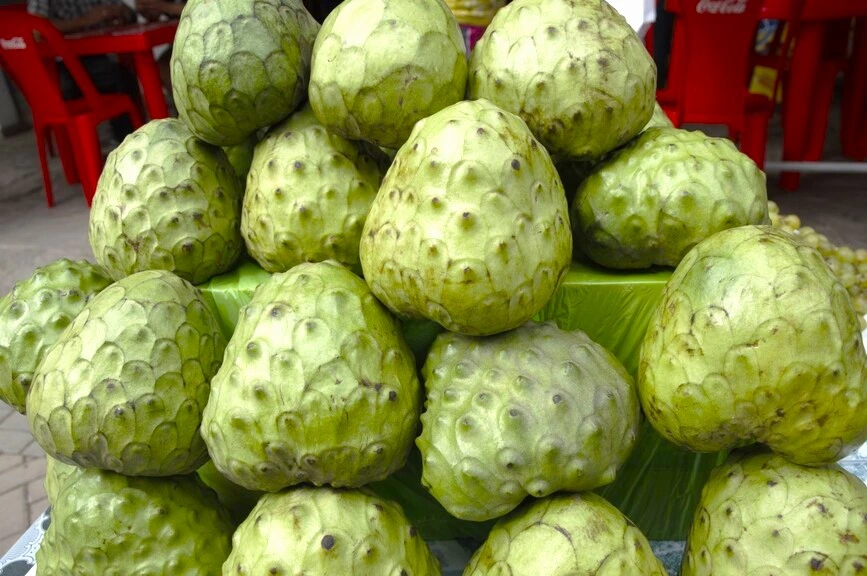
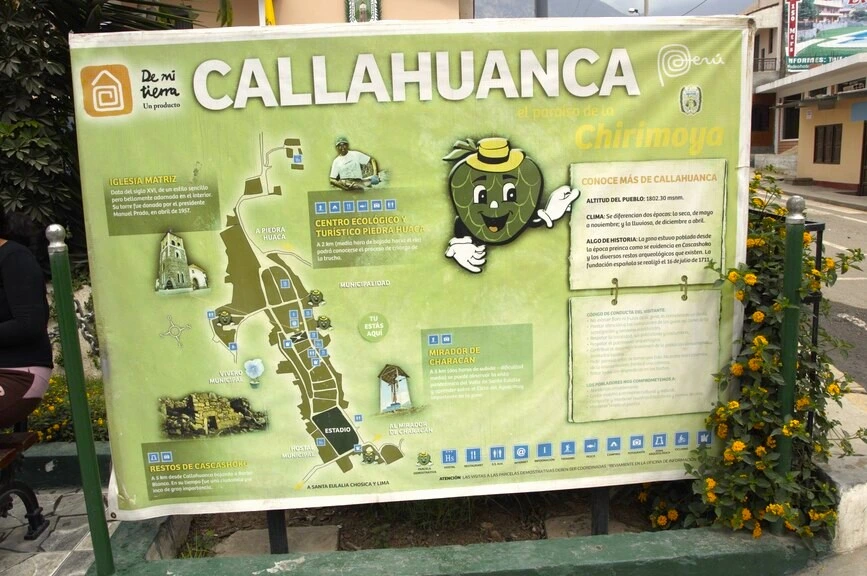
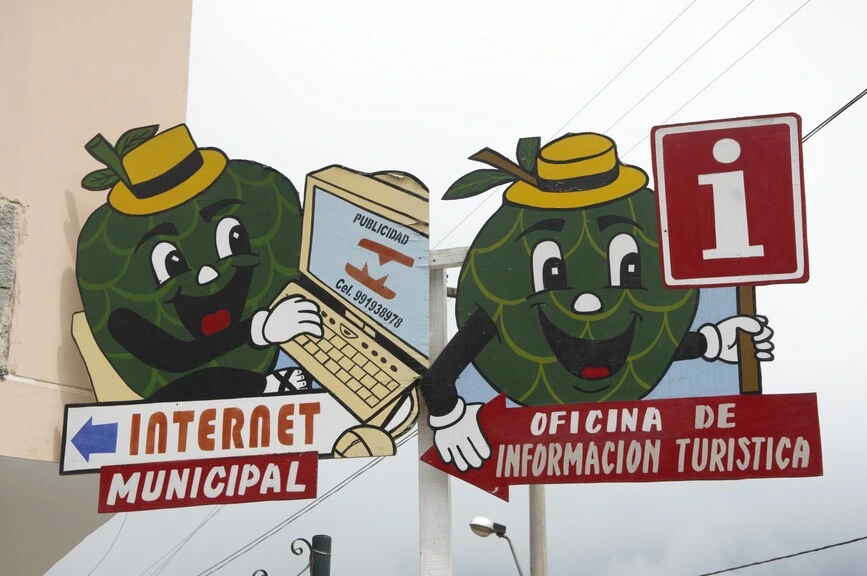
Chirimoya — don’t forget that name. You’ll hear it often, even before you reach Callahuanca. Once you arrive, you’ll see them everywhere — so much so that even the tourist information signs feature a cartoon image of this fruit, native to the inter-Andean valleys. It’s the symbol, the pride, and the main agricultural product of “the split stone.”
If you’ve never tried one, this is your moment. And if you already have and loved it, remember — pleasure comes with repetition, and here that pleasure will be greater than anywhere else in Peru. The reason? You’ve arrived at The Paradise of Cherimoyas. The Annona cherimola Miller — that’s its scientific name — grown by Callahuanca’s farmers are huge, incredibly sweet and deliciously creamy.
No matter the time of year, you can always enjoy this “white delicacy”, as the Spanish conquistadors called it — a fruit that “grew and was consumed along both the northern and central coasts, from times before the introduction of pottery right through to the Inca period,” according to the Andean Foods Series of the El Brujo Archaeological Complex.
The article mentions that “the renowned archaeologist Duccio Bonavia and his colleagues suggest that the chirimoya is native to Ecuador and Peru.” Depicted on Moche ceramics, this “cold seed” — the translation of its Quechua name — was part of the ancient diet, valued as a “source of vitamins, minerals, carbohydrates, fibre, and water.” It was also used for medicinal purposes.
Round or oval, with white flesh and black seeds, these delights grow on the chirimoya tree — a plant that can reach up to 10 metres in height and thrives between 1,500 and 2,000 metres above sea level. The best harvest season runs from April to June, although in Callahuanca they’re never in short supply. You can enjoy them fresh, or in ice cream, jams, yoghurts and juices.
A glimpse of the valley and the mountains
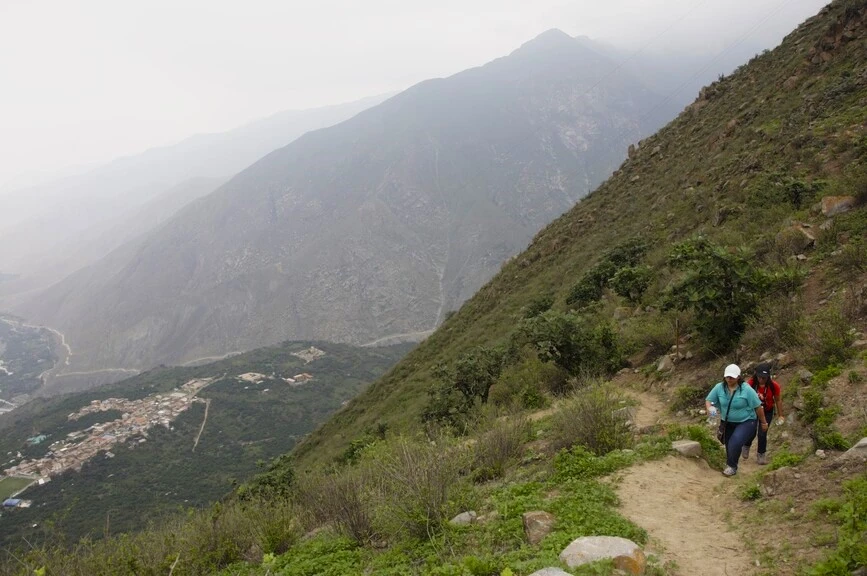
Time for a quick pause and an important announcement: Callahuanca isn’t just about Chirimoyas… but before I wander off track, let me tell you that every April the town holds a festival in honour of the delicacy that once conquered the conquerors. The celebration coincides with the anniversary of the district’s political creation, which took place on 12 April 1957.
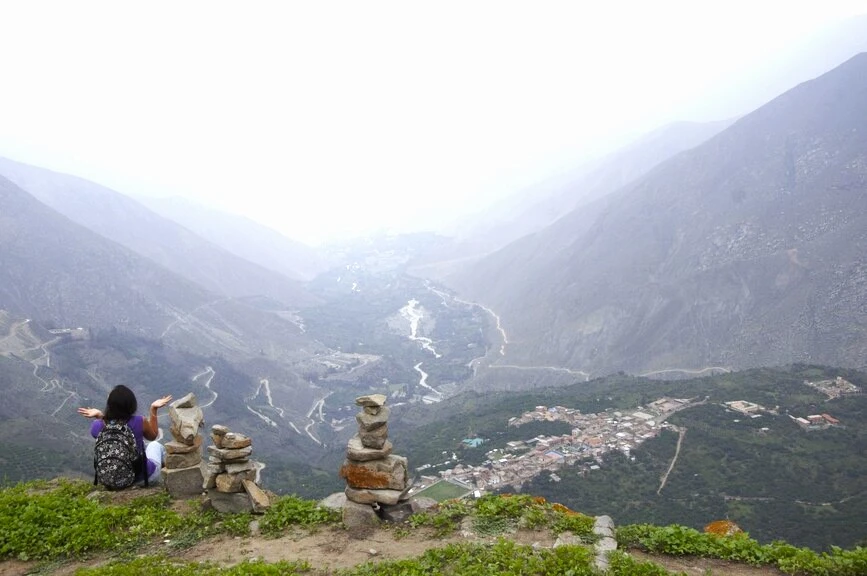
Before that date, this destination was considered an Indigenous community — a status granted back in July 1711. So now you know: this is a place of history, delicious fruit and excellent cuisine — fancy a pachamanca or some fried trout? You’ll also find stunning views of the valley, the fields and the mountains. Just follow a steep little trail for about two hours to reach the Characán viewpoint.
Your effort will be worth it — I promise. Your eyes will be captivated by the beauty of the landscape. It’s a magical moment. When you reach the top, take a deep breath and let yourself be embraced by the peace that still dwells in these highlands. That calm, that stillness, will connect you with nature in a deep and special way.
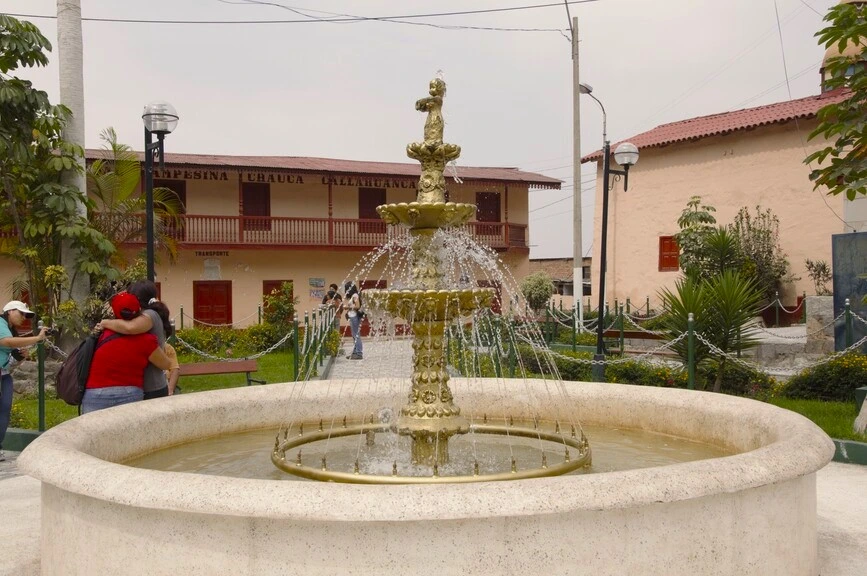
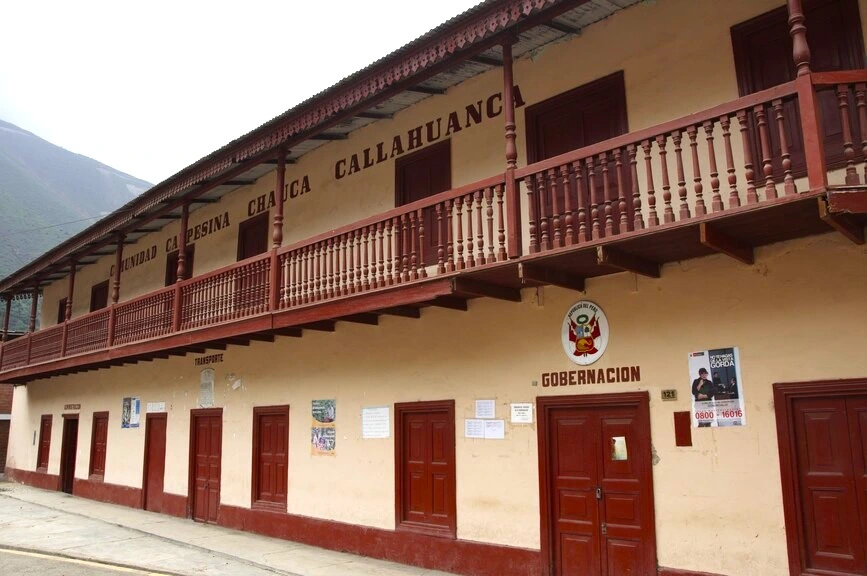
Back in the heart of town — small, old, and quiet — where even the simple act of sitting on a bench in the square or strolling through the church courtyard becomes a delightful experience. Live it! You’ll only need a day (if your schedule is tight), and you won’t have to venture far from Lima — the city that welcomes and bids farewell to most travellers visiting Peru.
Think about it. Plan a getaway to Callahuanca or to any of the other villages scattered across the inter-Andean valleys. Each one is unique and unforgettable. Who knows — you might even change your plans and end up visiting more than one during your stay in my homeland. Well, it’s just a friendly suggestion for those days when the winter fog becomes an unbreakable blanket over the capital’s sky.
November 4, 2025