


From Lima to Callao: Crossing the Chalaco sea
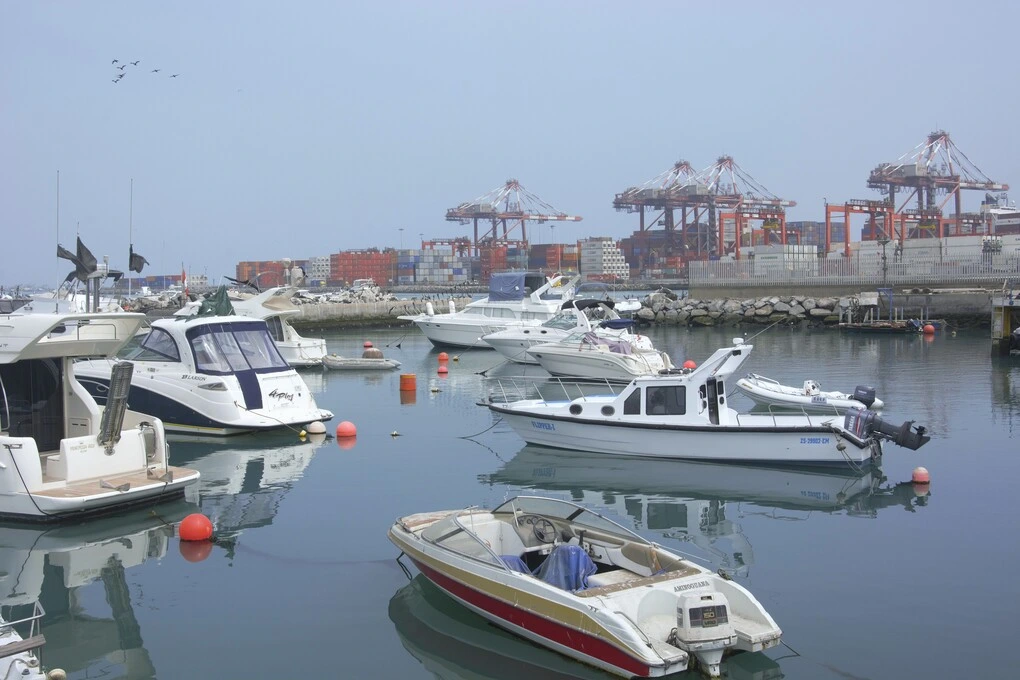
You don’t need to set off on a long road trip or travel hundreds of kilometres to reach this destination. In fact, if you’re not paying attention and miss the welcome signs, you might think you’re still in Lima. The geography and the urban landscape look exactly the same. Nothing seems to change at first sight — but appearances can be deceptive, and we all know it.
In this case, they’re so deceptive that many people believe Callao is just another district of Metropolitan Lima. It isn’t, it never has been, and it never will be. The chalacos —as the people born in Peru’s main port are known— are convinced of that. They are proud of being part of a region, a city, a province that is politically and administratively independent from the capital.
It has always been that way. Neither during colonial times nor at the beginning of the republic was Callao under Lima’s control. Back then, there was no urban continuity between the capital and the port. The two were separate cities, which is why in 1836 Callao was declared an autonomous coastal province. Years later, it would gain the special status of Constitutional Province, the only one in Peru with that distinction.
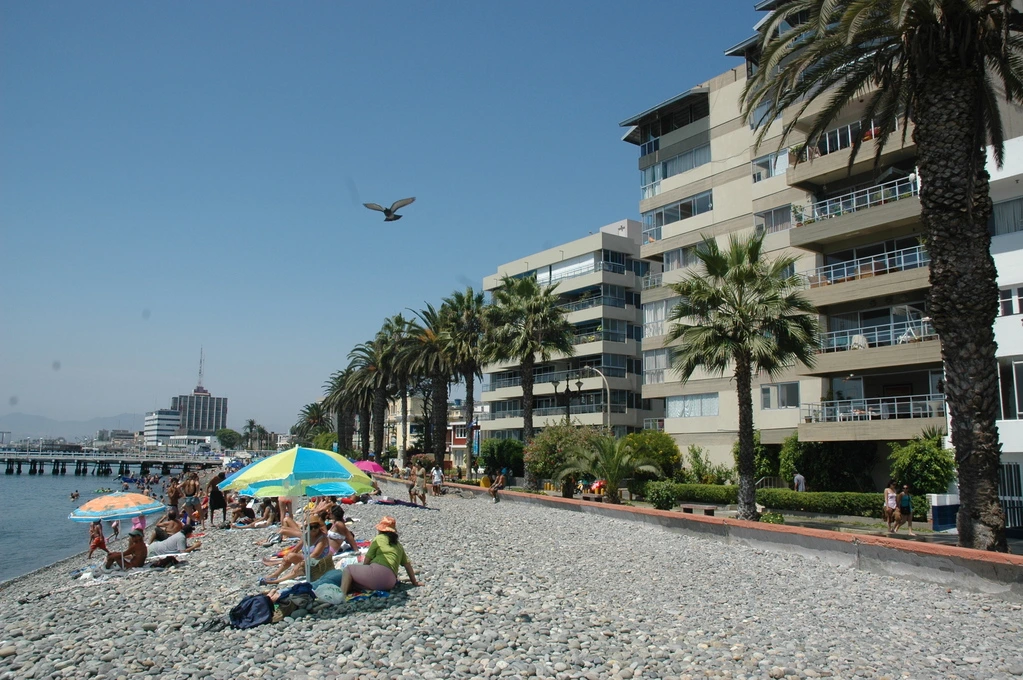
The reason lies in the role played by the chalacos, who defended constitutional order during a period of political turmoil that shook Peru between 1856 and 1858. In recognition of their actions, President Ramón Castilla granted Callao the title of Constitutional Province on 22 April 1857. Yet that was not the only heroic chapter written by the sons and daughters of Peru’s main port.
On 2 May 1866, an event took place that forever marked the soul and spirit of Callao. On that day, the Spanish navy attempted to regain its influence in the Americas by attacking the port. The courage and determination of those who stood to defend national sovereignty brought the Iberian ambitions to an end. The aggressors were defeated in a battle that is still commemorated every year with patriotic fervour.
¡Chim Pum Callao!
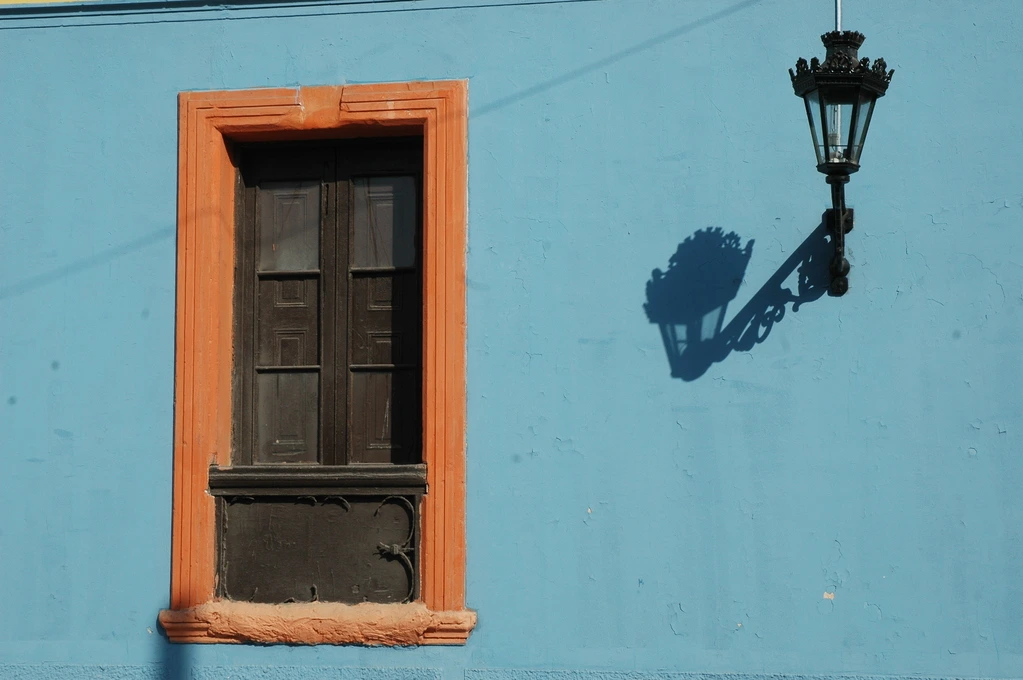
That is the rallying cry that identifies the people of Callao. Its origins are uncertain. Some believe it goes back to the Battle of 2 May: chim was the sound of the fuse being lit on the cannons, and pum the thunderous blast as they fired towards the Spanish fleet. Another version claims it was born on the football fields, shouted in support of the legendary Atlético Chalaco.
For Callao has its own identity. One that has endured, perhaps even strengthened, thanks to its proximity to Lima. You will notice it as you stroll through the streets of its Historic Centre and talk to its lively, witty, warm-hearted and party-loving people. Salsa music rules the soundscape, prayers are offered to the Señor del Mar, cheers resound for the Sport Boys football team, and beers are best enjoyed with a plate of spicy choritos a la chalaca.
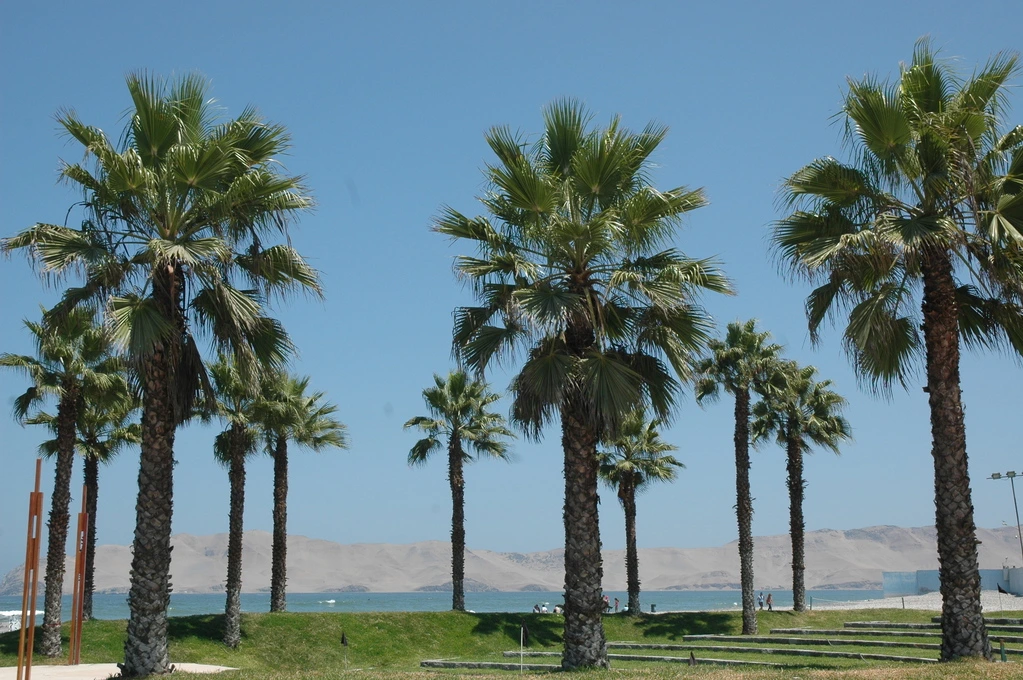
But “spicy” here goes beyond food. Like any port, the Constitutional Province has its “tough” corners and “hot spots”, but don’t be put off. The Callao I invite you to discover is one of art and culture in its old quarter, of colonial history in the Real Felipe fortress, of seaside contemplation in Grau Square and along the Augusto Wiese seafront promenade in La Punta.
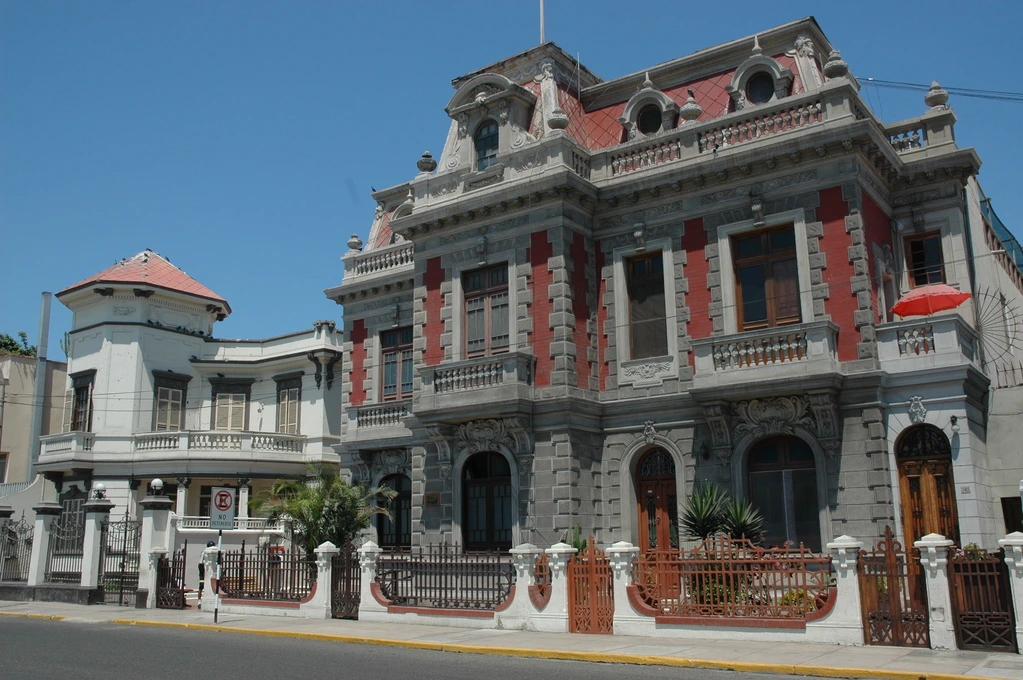
Let’s go to dear Callao. You’ll have a fantastic time at the cultural project Monumental Callao, where old buildings have been transformed into vibrant art galleries; at the Real Felipe fortress, built in the 18th century from limestone and mortar to repel corsairs and pirates; and at the charming seaside district of La Punta, where you can savour the finest seafood cuisine.
And that’s not all. If you want your travel experience to be truly unforgettable, set off towards the Cavinzas Islands and the Palomino islets, a protected natural area – a maritime paradise that is home to a wide variety of ocean wildlife. Life, abundant life, on a journey where you’ll spot seabirds and an immense colony of sea lions.
Marine reserve
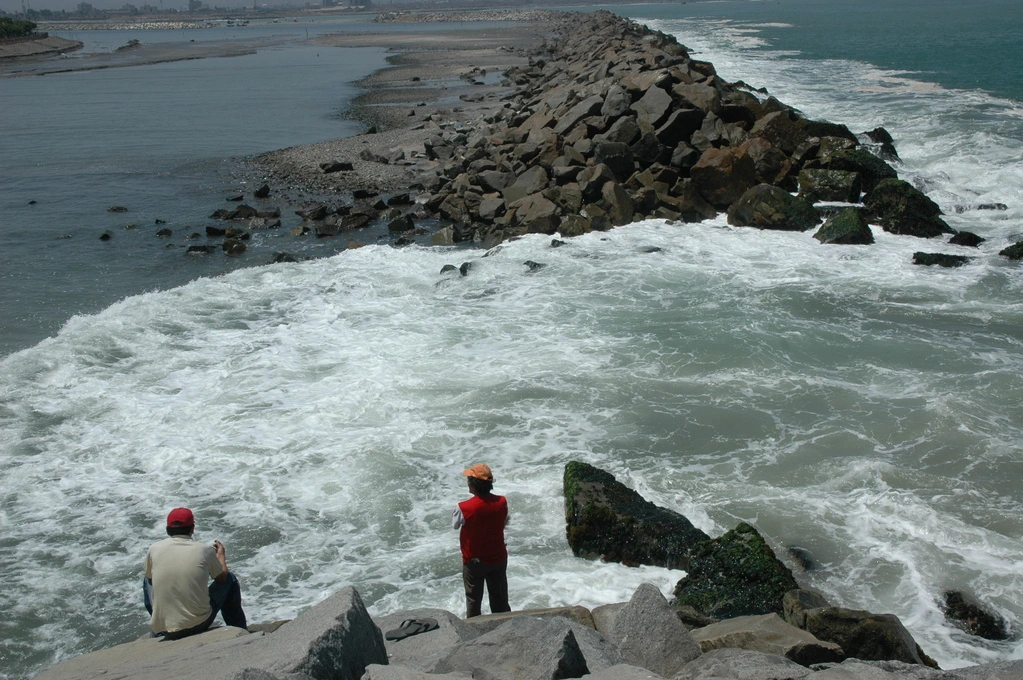
Visiting the Cavinzas Islands and the Palomino Islets is actually quite straightforward. Several travel agencies offer tours that include transport from Lima to the departure point in Callao. If you’re staying in a central hotel, they’ll pick you up directly; otherwise, a convenient and safe meeting point will be arranged for you.
You can also make your own way there. Public transport is an option, but the most comfortable and reliable way is to take an app-based taxi (around 30 minutes, approx. 35 soles) to Plaza Grau or the Canottieri Club pier. From both places, boats set off at 9:00 and 14:00. Booking ahead isn’t essential, though it’s wise to reserve your spot in advance, especially at weekends.
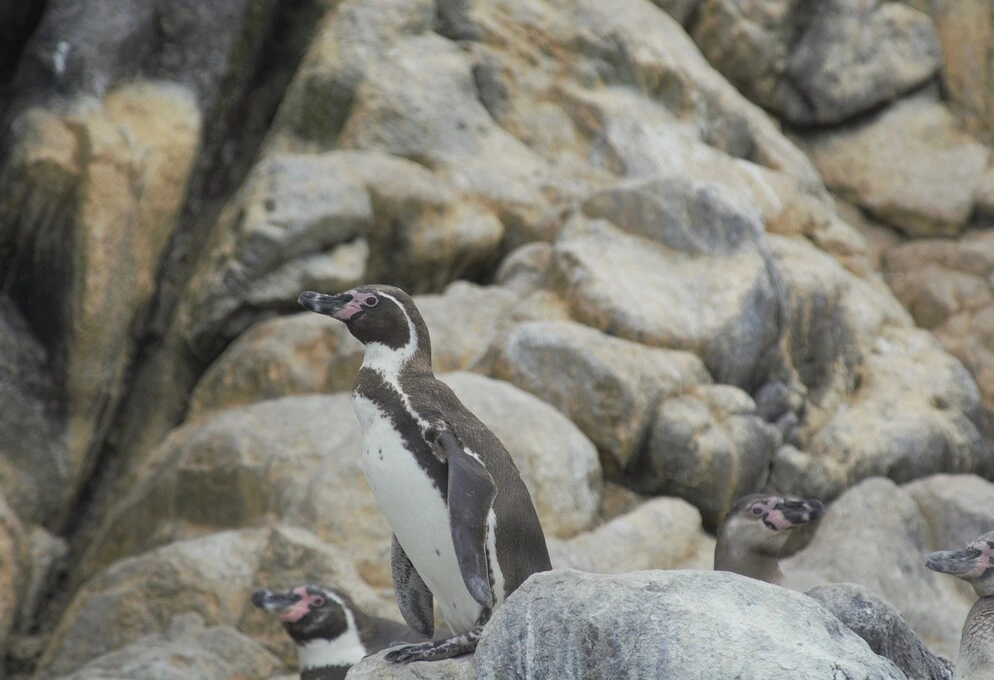
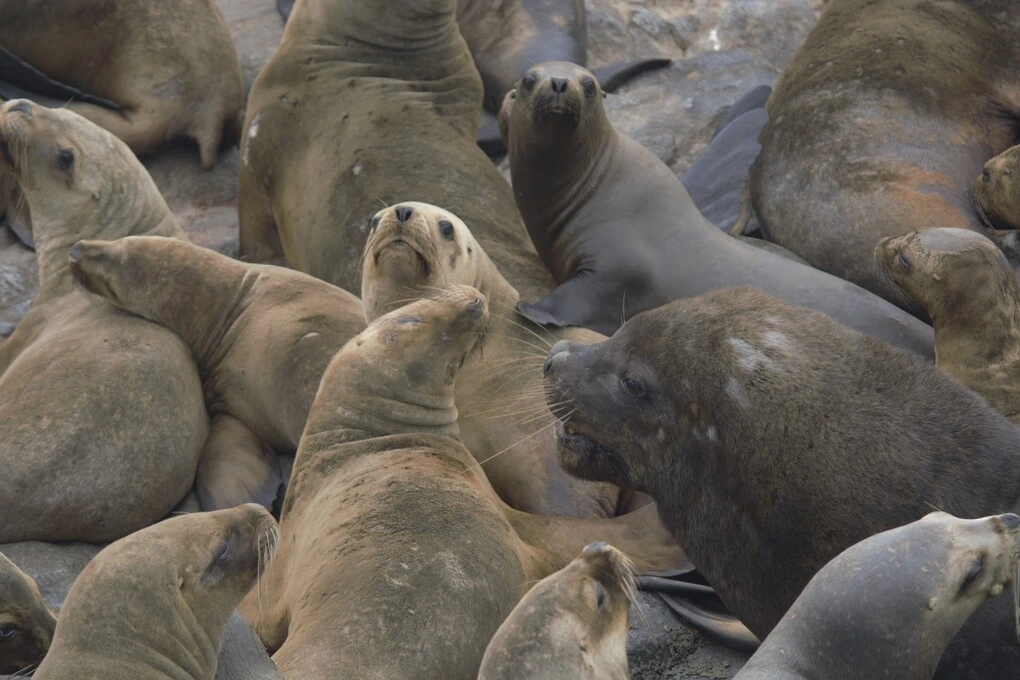
The trip lasts around four hours and is done on modern yachts or speedboats. Cavinzas and Palomino are located 11 nautical miles from Callao’s port and are part of a marine reserve linked to the vast Humboldt Current ecosystem, one of the most productive and biodiverse on the planet. In this natural sanctuary, you’ll encounter guano birds, Humboldt penguins, and an impressive sea lion colony that will make this journey truly unforgettable.
According to the Ministry of Foreign Trade and Tourism (Mincetur), this area “encompasses three types of ecosystems: insular or continental, intertidal, and subtidal.” The main Cavinza island and its two smaller islets stand out with a whitish colour, the result of layers of guano mixed with the erosion of the rocky surface.
Thanks to its biological richness and biodiversity, this destination forms part of the National Reserve System of Guano Islands, Islets and Capes. Created in December 2009, the reserve was established to “preserve the biological diversity of the country’s marine–coastal ecosystems” and to ensure “the continuity of the life cycle of the species that live within them.”
Meeting the Sea Lions
Setting sail on a sunny or cloudy morning — it doesn’t matter. What truly counts is leaving behind the coast of Callao and sailing with your eyes wide open: spotting the urban silhouette of the calm district of La Punta, looking out for El Camotal — once farmland, now lost beneath the sea after the 1746 tsunami — and catching sight of San Lorenzo Island and El Frontón, which for years served as a fearsome prison.
Feel the fragrance of the sea, the freshness of the breeze. As you draw closer to the islands and islets, you’ll discover, according to the official Tourist Resources report, a colony of 6,290 South American sea lions (recorded in 2023) — the largest on the Lima and Callao coastline. And that’s not all. This haven is also home to 50 species of birds, including guanay cormorants, boobies, Inca terns and Peruvian pelicans.
Getting closer to nature. Birds in flight. Sea lions swimming and spinning through the waves. The gentle sway of the ocean. Clean air with the scent of freedom and purity. The thrill of spotting Humboldt penguins (Spheniscus humboldti), a species found only along the coasts of Peru and Chile. Learning that guano was once extracted and traded here, and that Palomino is actually made up of four separate islets.
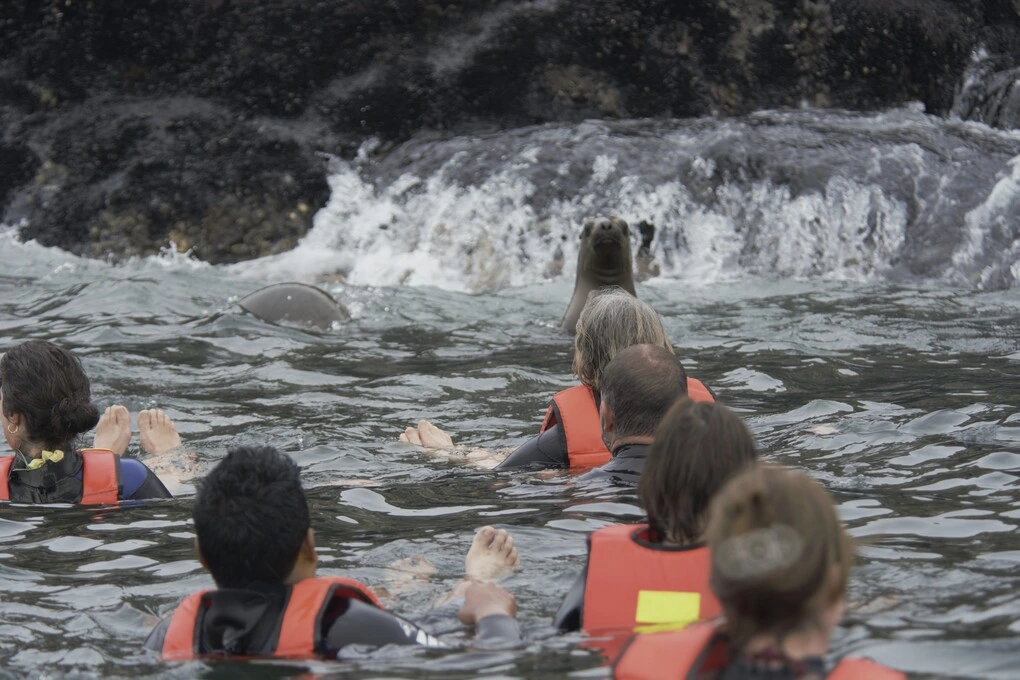
Living the adventure. The yacht comes to a stop. Are we about to disembark? Step onto solid ground? Not here — but don’t be discouraged, don’t feel disappointed. What comes next is even better. “We’re going to swim with the sea lions,” announces the guide, handing out wetsuits and life jackets to the travellers bold enough to share the water with these magnificent marine mammals — creatures that can grow over three metres long and weigh up to 400 kilos.
Overflowing excitement. A once-in-a-lifetime moment. An unforgettable experience in Callao. Yes, Callao — not Lima, nor part of it. A different city, with its own story and unique character. So, make your escape to the Chalaco coast, with its bustling port and international airport, with its tales of pirates and corsairs, with its unyielding colonial fortress and its ocean that beckons you to sail off towards Cavinza and Palomino… your next destinations!
September 19, 2025